
兜甲蛋白是一种主要的表皮钙结合蛋白。
Profilaggrin is a major epidermal calcium-binding protein.
作者信息
Markova N G, Marekov L N, Chipev C C, Gan S Q, Idler W W, Steinert P M
机构信息
Skin Biology Branch, National Institute of Arthritis and Musculoskeletal and Skin Diseases, Bethesda, Maryland 20892.
出版信息
Mol Cell Biol. 1993 Jan;13(1):613-25. doi: 10.1128/mcb.13.1.613-625.1993.
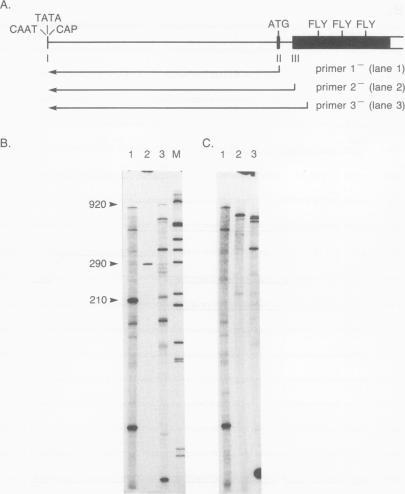
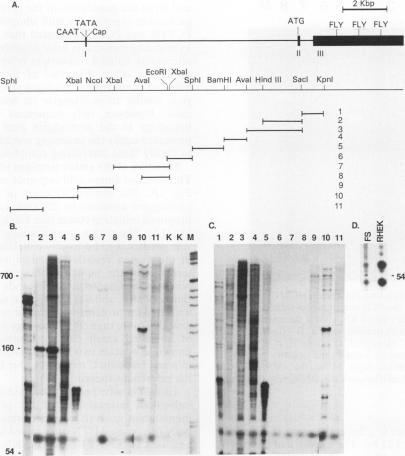
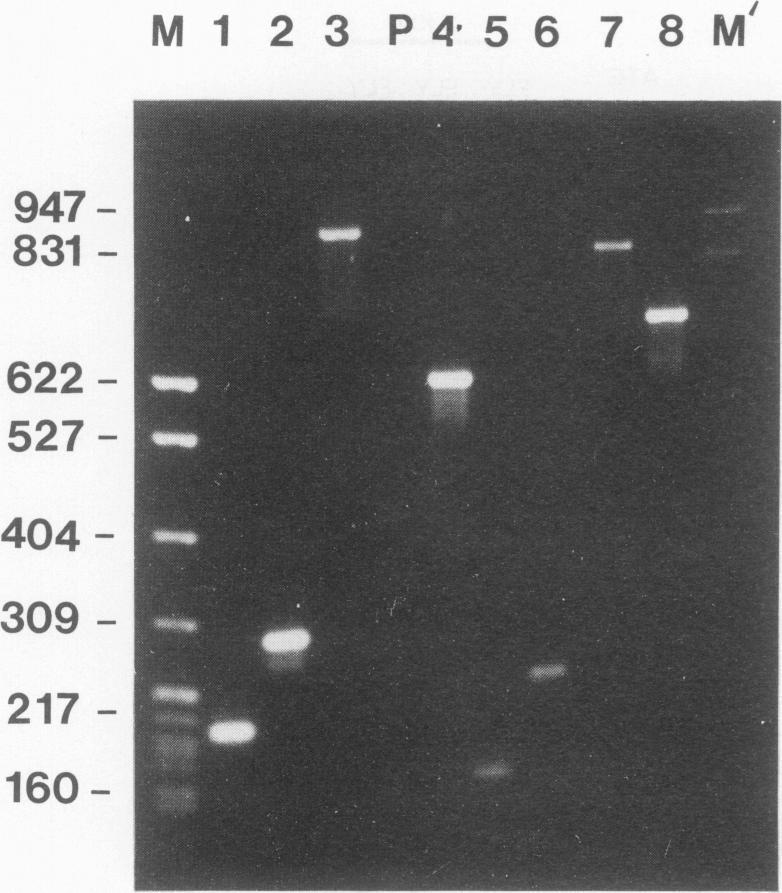
Profilaggrin is a major highly phosphorylated protein component of the keratohyalin granules of mammalian epidermis. It contains 10 to 12 tandemly repeated filaggrin units and is processed into the intermediate filament-associated protein filaggrin by specific dephosphorylation and proteolysis during terminal differentiation of the epidermal cells. Later, filaggrin itself is degraded to free amino acids that participate in maintenance of epidermal flexibility. The present paper describes the structural organization of the 5' region of the human profilaggrin gene as well as the amino terminus of the profilaggrin protein. The primary profilaggrin transcript consists of three exons and two introns. The first exon (exon I) is only 54 bp and is untranslated. The coding sequences are distributed between exon II (159 bp) and exon III, which contains the information for 10 to 12 filaggrin repeats (972 bp each) and the 3' noncoding sequences. A very large intron separates exons I and II. The combination of a very short exon I with an unusually long intron 1 makes the structure of the profilaggrin gene unique among the epidermally expressed genes investigated so far. Comparison of the expression patterns revealed by primer extension and RNase protection analysis of foreskin epidermal and cultured keratinocyte RNAs suggests that alternately spliced messages, which are different from profilaggrin mRNA, are transcribed from the profilaggrin gene system at earlier stages of epidermal differentiation. The amino terminus of profilaggrin exhibits a significant homology to the small calcium-binding S100-like proteins. It contains two alpha-helical regions, termed EF-hands, that bind calcium in vitro. This is the first example of functional calcium-binding domains fused to a structural protein. We suggest that in addition to its role in filament aggregation and the maintenance of epidermal flexibility, profilaggrin may play an important role in the differentiation of the epidermis by autoregulating its own processing in a calcium-dependent manner or by participating in the transduction of calcium signal in epidermal cells.
聚丝蛋白原是哺乳动物表皮透明角质颗粒中的一种主要的高度磷酸化蛋白质成分。它含有10至12个串联重复的丝聚蛋白单元,在表皮细胞终末分化过程中通过特定的去磷酸化和蛋白水解作用加工成与中间丝相关的蛋白质丝聚蛋白。随后,丝聚蛋白本身降解为游离氨基酸,参与维持表皮的柔韧性。本文描述了人类聚丝蛋白原基因5'区域的结构组织以及聚丝蛋白原蛋白的氨基末端。聚丝蛋白原初级转录本由三个外显子和两个内含子组成。第一个外显子(外显子I)仅54 bp,为非翻译区。编码序列分布在外显子II(159 bp)和外显子III之间,外显子III包含10至12个丝聚蛋白重复序列(每个972 bp)的信息以及3'非编码序列。一个非常大的内含子将外显子I和外显子II分开。非常短的外显子I与异常长的内含子1的组合使得聚丝蛋白原基因的结构在迄今为止研究的表皮表达基因中独一无二。通过对包皮表皮和培养的角质形成细胞RNA进行引物延伸和核糖核酸酶保护分析所揭示的表达模式比较表明,在表皮分化的早期阶段,与聚丝蛋白原mRNA不同的交替剪接信息是从聚丝蛋白原基因系统转录而来的。聚丝蛋白原的氨基末端与小的钙结合S100样蛋白具有显著的同源性。它包含两个α螺旋区域,称为EF手,在体外结合钙。这是与结构蛋白融合的功能性钙结合结构域的第一个例子。我们认为,除了在细丝聚集和维持表皮柔韧性方面的作用外,聚丝蛋白原可能通过以钙依赖的方式自动调节自身加工或参与表皮细胞中钙信号的转导,在表皮分化中发挥重要作用。


 Zotero 插件