
生存运动神经元蛋白(Smn)是脊髓性肌萎缩症的决定性基因产物,可调节运动神经元生长锥中轴突的生长以及β-肌动蛋白信使核糖核酸(β-actin mRNA)的定位。
Smn, the spinal muscular atrophy-determining gene product, modulates axon growth and localization of beta-actin mRNA in growth cones of motoneurons.
作者信息
Rossoll Wilfried, Jablonka Sibylle, Andreassi Catia, Kröning Ann-Kathrin, Karle Kathrin, Monani Umrao R, Sendtner Michael
机构信息
Institute for Clinical Neurobiology, University of Wuerzburg, 97080 Wuerzburg, Germany.
出版信息
J Cell Biol. 2003 Nov 24;163(4):801-12. doi: 10.1083/jcb.200304128. Epub 2003 Nov 17.
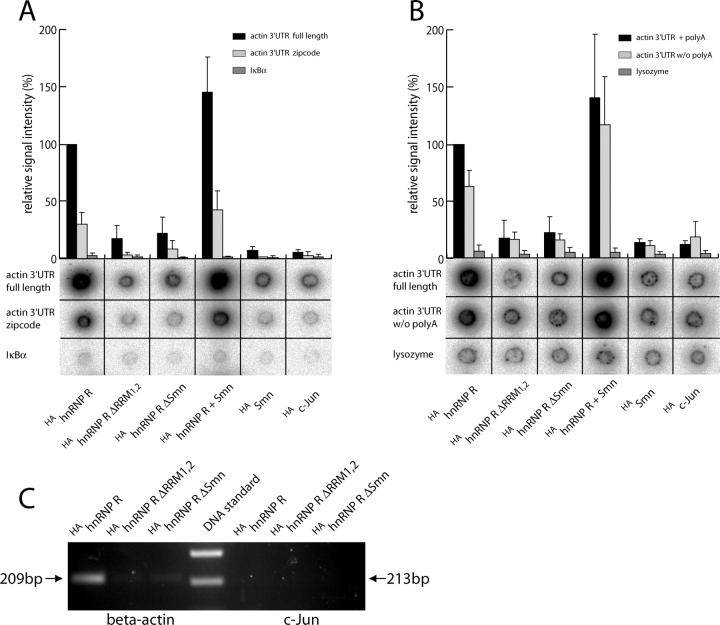
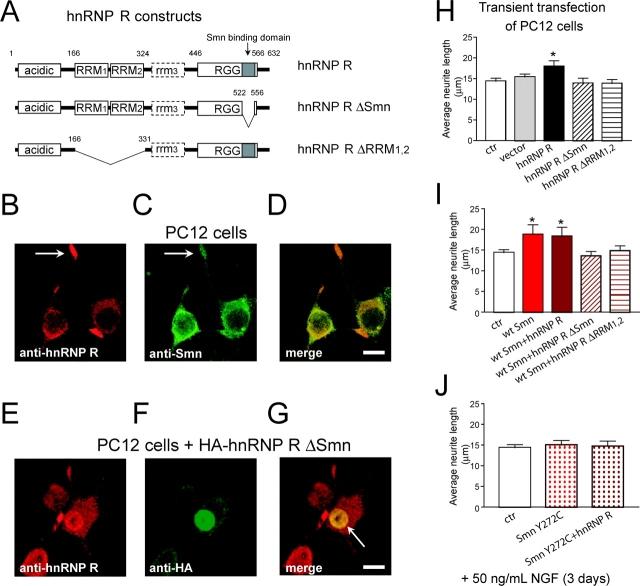
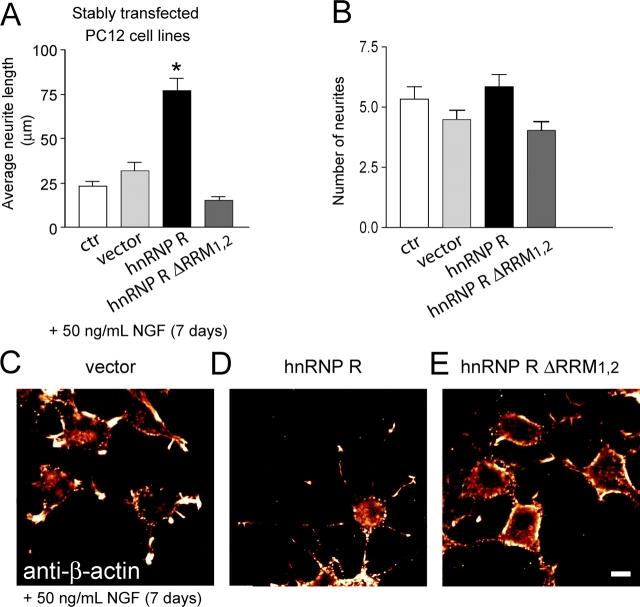
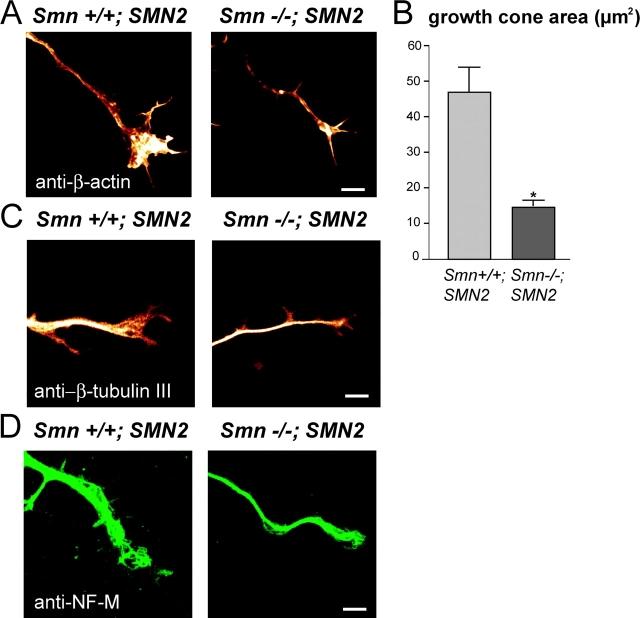
Spinal muscular atrophy (SMA), a common autosomal recessive form of motoneuron disease in infants and young adults, is caused by mutations in the survival motoneuron 1 (SMN1) gene. The corresponding gene product is part of a multiprotein complex involved in the assembly of spliceosomal small nuclear ribonucleoprotein complexes. It is still not understood why reduced levels of the ubiquitously expressed SMN protein specifically cause motoneuron degeneration. Here, we show that motoneurons isolated from an SMA mouse model exhibit normal survival, but reduced axon growth. Overexpression of Smn or its binding partner, heterogeneous nuclear ribonucleoprotein (hnRNP) R, promotes neurite growth in differentiating PC12 cells. Reduced axon growth in Smn-deficient motoneurons correlates with reduced beta-actin protein and mRNA staining in distal axons and growth cones. We also show that hnRNP R associates with the 3' UTR of beta-actin mRNA. Together, these data suggest that a complex of Smn with its binding partner hnRNP R interacts with beta-actin mRNA and translocates to axons and growth cones of motoneurons.
脊髓性肌萎缩症(SMA)是婴幼儿和年轻人中常见的一种常染色体隐性运动神经元疾病,由生存运动神经元1(SMN1)基因突变引起。相应的基因产物是参与剪接体小核核糖核蛋白复合体组装的多蛋白复合体的一部分。目前仍不清楚为什么普遍表达的SMN蛋白水平降低会特异性地导致运动神经元变性。在这里,我们表明从SMA小鼠模型中分离出的运动神经元表现出正常的存活,但轴突生长减少。Smn或其结合伴侣异质性核糖核蛋白(hnRNP)R的过表达促进分化的PC12细胞中的神经突生长。Smn缺陷型运动神经元中轴突生长减少与远端轴突和生长锥中β-肌动蛋白蛋白和mRNA染色减少相关。我们还表明hnRNP R与β-肌动蛋白mRNA的3'非翻译区相关联。总之,这些数据表明Smn与其结合伴侣hnRNP R的复合体与β-肌动蛋白mRNA相互作用,并转运到运动神经元的轴突和生长锥。



 Zotero 插件