
《大鼠基因组数据库2009:变异、本体论与通路》
The Rat Genome Database 2009: variation, ontologies and pathways.
作者信息
Dwinell Melinda R, Worthey Elizabeth A, Shimoyama Mary, Bakir-Gungor Burcu, DePons Jeffrey, Laulederkind Stanley, Lowry Timothy, Nigram Rajni, Petri Victoria, Smith Jennifer, Stoddard Alexander, Twigger Simon N, Jacob Howard J
机构信息
Department of Physiology and Human and Molecular Genetics Center, Medical College of Wisconsin, Milwaukee, WI, USA.
出版信息
Nucleic Acids Res. 2009 Jan;37(Database issue):D744-9. doi: 10.1093/nar/gkn842. Epub 2008 Nov 7.
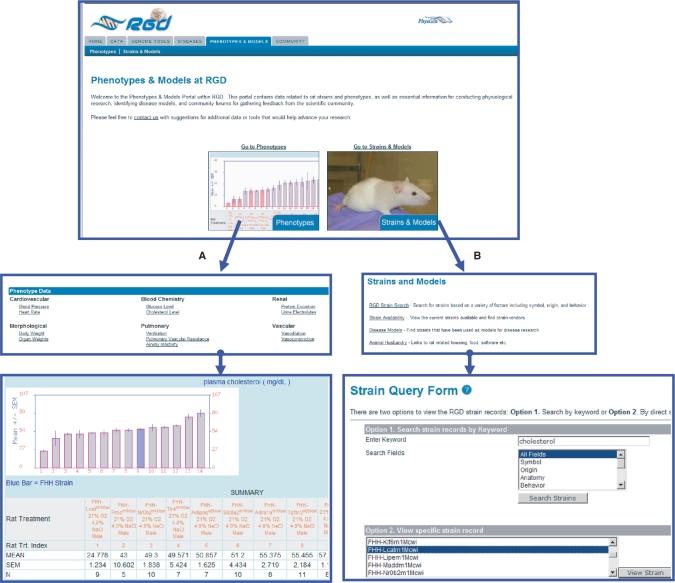
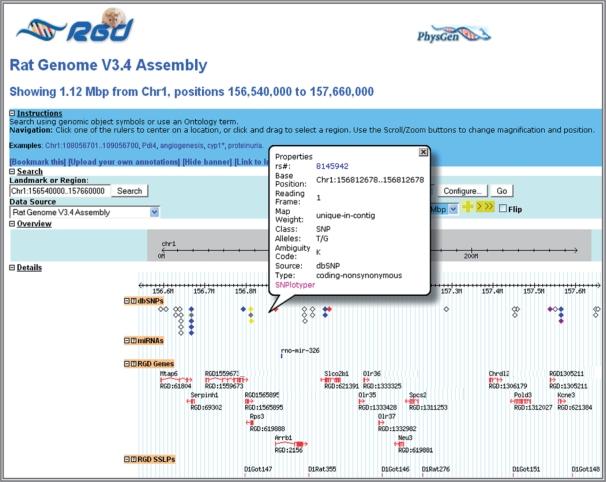
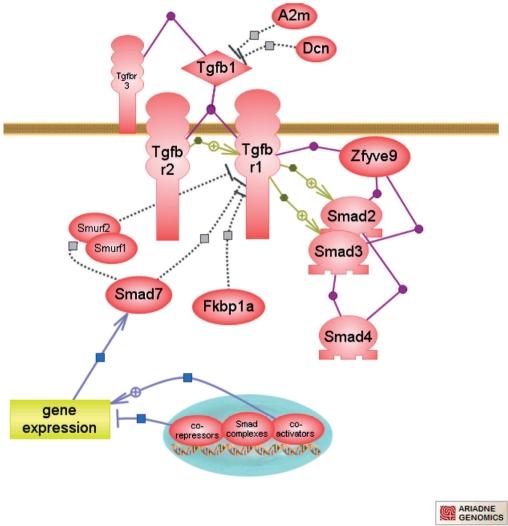
The Rat Genome Database (RGD, http://rgd.mcw.edu) was developed to provide a core resource for rat researchers combining genetic, genomic, pathway, phenotype and strain information with a focus on disease. RGD users are provided with access to structured and curated data from the molecular level through to the level of the whole organism, including the variations associated with disease phenotypes. To fully support use of the rat as a translational model for biological systems and human disease, RGD continues to curate these datasets while enhancing and developing tools to allow efficient and effective access to the data in a variety of formats including linear genome viewers, pathway diagrams and biological ontologies. To support pathophysiological analysis of data, RGD Disease Portals provide an entryway to integrated gene, QTL and strain data specific to a particular disease. In addition to tool and content development and maintenance, RGD promotes rat research and provides user education by creating and disseminating tutorials on the curated datasets, submission processes, and tools available at RGD. By curating, storing, integrating, visualizing and promoting rat data, RGD ensures that the investment made into rat genomics and genetics can be leveraged by all interested investigators.
 Zotero 插件