
抗癌药物的心脏毒性:需要肿瘤心脏病学和肿瘤心脏病学预防。
Cardiotoxicity of anticancer drugs: the need for cardio-oncology and cardio-oncological prevention.
机构信息
Oncology Research Division, MultiMedica Castellanza (VA), Milan, Italy.
出版信息
J Natl Cancer Inst. 2010 Jan 6;102(1):14-25. doi: 10.1093/jnci/djp440. Epub 2009 Dec 10.
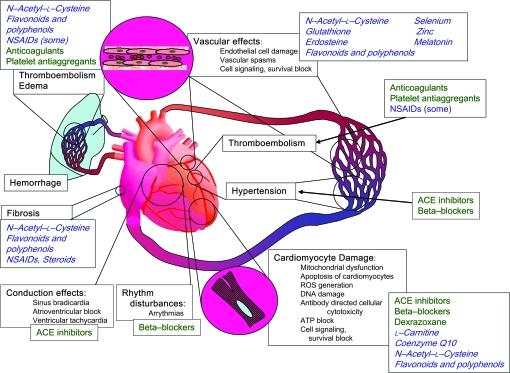
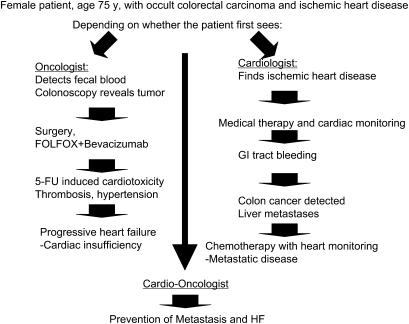
Due to the aging of the populations of developed countries and a common occurrence of risk factors, it is increasingly probable that a patient may have both cancer and cardiovascular disease. In addition, cytotoxic agents and targeted therapies used to treat cancer, including classic chemotherapeutic agents, monoclonal antibodies that target tyrosine kinase receptors, small molecule tyrosine kinase inhibitors, and even antiangiogenic drugs and chemoprevention agents such as cyclooxygenase-2 inhibitors, all affect the cardiovascular system. One of the reasons is that many agents reach targets in the microenvironment and do not affect only the tumor. Combination therapy often amplifies cardiotoxicity, and radiotherapy can also cause heart problems, particularly when combined with chemotherapy. In the past, cardiotoxic risk was less evident, but it is increasingly an issue, particularly with combination therapy and adjuvant therapy. Today's oncologists must be fully aware of cardiovascular risks to avoid or prevent adverse cardiovascular effects, and cardiologists must now be ready to assist oncologists by performing evaluations relevant to the choice of therapy. There is a need for cooperation between these two areas and for the development of a novel discipline, which could be termed cardio-oncology or onco-cardiology. Here, we summarize the potential cardiovascular toxicities for a range of cancer chemotherapeutic and chemopreventive agents and emphasize the importance of evaluating cardiovascular risk when patients enter into trials and the need to develop guidelines that include collateral effects on the cardiovascular system. We also discuss mechanistic pathways and describe several potential protective agents that could be administered to patients with occult or overt risk for cardiovascular complications.
由于发达国家人口老龄化以及常见的风险因素,患者同时患有癌症和心血管疾病的可能性越来越大。此外,用于治疗癌症的细胞毒性药物和靶向治疗药物,包括经典的化疗药物、针对酪氨酸激酶受体的单克隆抗体、小分子酪氨酸激酶抑制剂,甚至抗血管生成药物和化学预防药物如环氧化酶-2 抑制剂,都会影响心血管系统。原因之一是许多药物可到达微环境中的靶点,不仅影响肿瘤。联合治疗常常会放大心脏毒性,放疗也会导致心脏问题,尤其是与化疗联合使用时。过去,心脏毒性风险不太明显,但现在越来越成为一个问题,尤其是在联合治疗和辅助治疗中。现在的肿瘤学家必须充分了解心血管风险,以避免或预防不良的心血管影响,而心脏病学家现在必须准备好通过进行与治疗选择相关的评估来协助肿瘤学家。这两个领域需要合作,需要发展一个新的学科,可以称为心脏肿瘤学或肿瘤心脏病学。在这里,我们总结了一系列癌症化疗和化学预防药物的潜在心血管毒性,并强调了在患者进入试验时评估心血管风险的重要性,以及制定包括对心血管系统的副作用在内的指南的必要性。我们还讨论了机制途径,并描述了几种可能对有隐匿性或明显心血管并发症风险的患者使用的潜在保护剂。

 Zotero 插件