
激活前列腺素 E2 通路的小鼠胃肿瘤模型显示出与肠型人类胃癌相似的基因表达谱。
Mouse gastric tumor models with prostaglandin E2 pathway activation show similar gene expression profiles to intestinal-type human gastric cancer.
机构信息
Oncology Research Department, Tsukuba Research Institute, Banyu Pharmaceutical Co., Ltd, Japan.
出版信息
BMC Genomics. 2009 Dec 17;10:615. doi: 10.1186/1471-2164-10-615.
BACKGROUND
Gastric cancers are generally classified into better differentiated intestinal-type tumor and poorly differentiated diffuse-type one according to Lauren's histological categorization. Although induction of prostaglandin E2 pathway promotes gastric tumors in mice in cooperation with deregulated Wnt or BMP signalings, it has remained unresolved whether the gastric tumor mouse models recapitulate either of human gastric cancer type. This study assessed the similarity in expression profiling between gastric tumors of transgenic mice and various tissues of human cancers to find best-fit human tumors for the transgenic mice models.
RESULTS
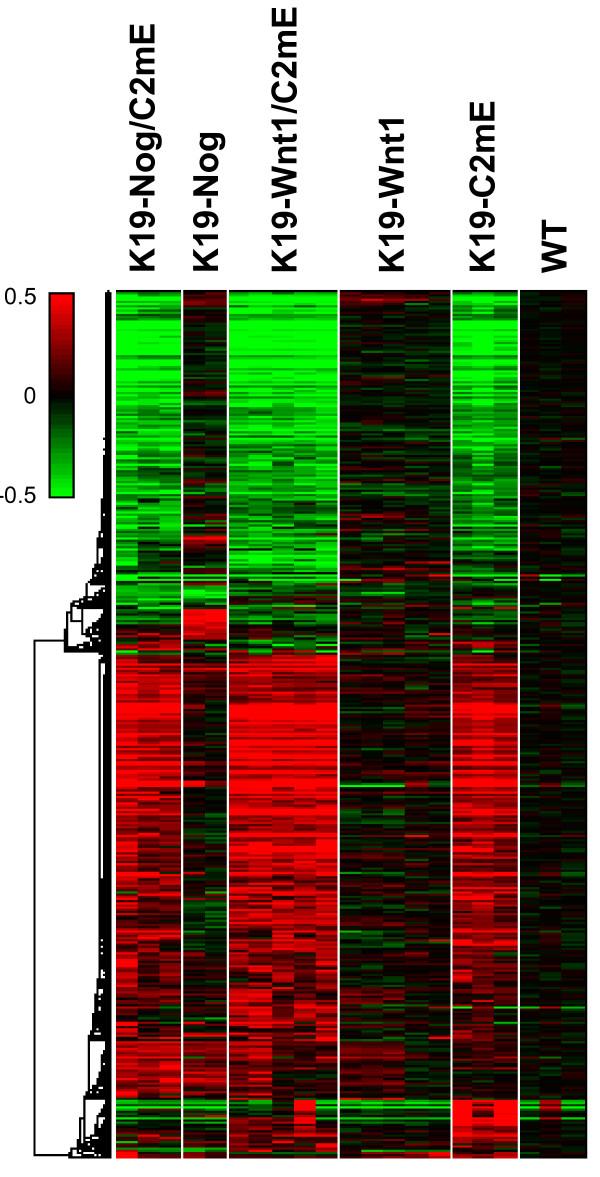
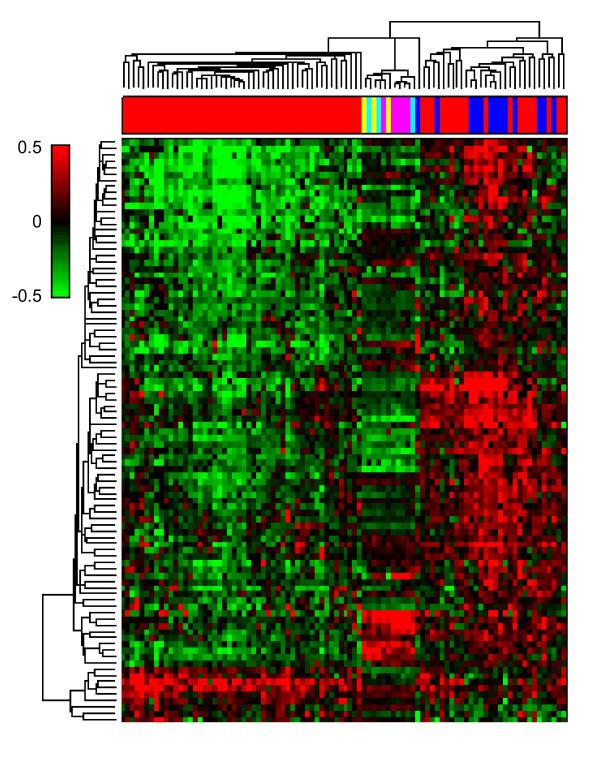
Global expression profiling initially found gastric tumors from COX-2/mPGES-1 (C2mE)-related transgenic mice (K19-C2mE, K19-Wnt1/C2mE, and K19-Nog/C2mE) resembled gastric cancers among the several tissues of human cancers including colon, breast, lung and gastric tumors. Next, classification of the C2mE-related transgenic mice by a gene signature to distinguish human intestinal- and diffuse-type tumors showed C2mE-related transgenic mice were more similar to intestinal-type compared with diffuse one. We finally revealed that induction of Wnt pathway cooperating with the prostaglandin E2 pathway in mice (K19-Wnt1/C2mE mice) further reproduce features of human gastric intestinal-type tumors.
CONCLUSION
We demonstrated that C2mE-related transgenic mice show significant similarity to intestinal-type gastric cancer when analyzed by global expression profiling. These results suggest that the C2mE-related transgenic mice, especially K19-Wnt1/C2mE mice, serve as a best-fit model to study molecular mechanism underlying the tumorigenesis of human gastric intestinal-type cancers.
背景
根据 Lauren 的组织学分类,胃癌一般分为分化较好的肠型肿瘤和分化较差的弥漫型肿瘤。虽然前列腺素 E2 通路的诱导与 Wnt 或 BMP 信号的失调共同促进了小鼠的胃肿瘤,但仍然不清楚小鼠胃肿瘤模型是否再现了人类胃癌的任何一种类型。本研究评估了转基因小鼠的胃肿瘤与人类各种癌症组织之间的表达谱相似性,以找到最适合转基因小鼠模型的人类肿瘤。
结果
全球表达谱分析最初发现 COX-2/mPGES-1(C2mE)相关转基因小鼠(K19-C2mE、K19-Wnt1/C2mE 和 K19-Nog/C2mE)的胃肿瘤与包括结肠、乳腺、肺和胃肿瘤在内的几种人类癌症组织中的胃癌相似。接下来,通过基因特征对 C2mE 相关转基因小鼠进行分类,以区分人类的肠型和弥漫型肿瘤,结果显示 C2mE 相关转基因小鼠与肠型相比更类似于弥漫型。我们最终揭示,在小鼠中诱导与前列腺素 E2 通路协同作用的 Wnt 通路(K19-Wnt1/C2mE 小鼠)进一步再现了人类胃肠型肿瘤的特征。
结论
我们通过全球表达谱分析表明,C2mE 相关转基因小鼠与肠型胃癌具有显著的相似性。这些结果表明,C2mE 相关转基因小鼠,特别是 K19-Wnt1/C2mE 小鼠,是研究人类胃肠型癌症发生的分子机制的最佳模型。


 Zotero 插件