
杨树初生木质部到次生木质部发育转变的全基因组转录组分析。
Genome-wide transcriptome analysis of the transition from primary to secondary stem development in Populus trichocarpa.
机构信息
Department of Forest Ecosystems and Society, Oregon State University, Corvallis, OR 97331-5752, USA.
出版信息
BMC Genomics. 2010 Mar 4;11:150. doi: 10.1186/1471-2164-11-150.
BACKGROUND
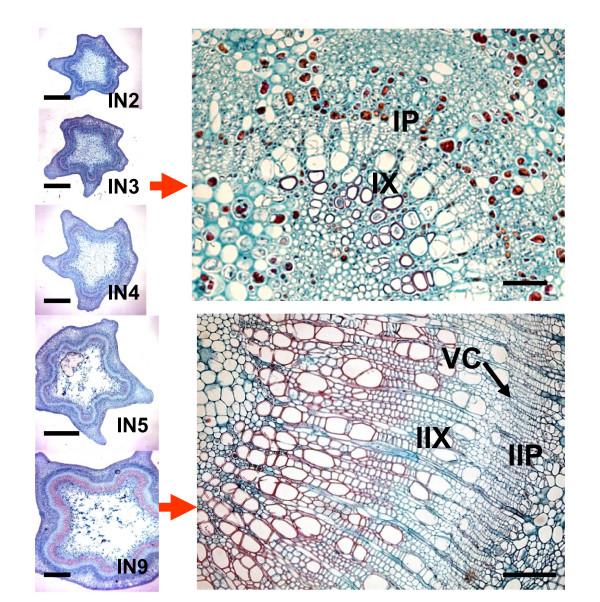
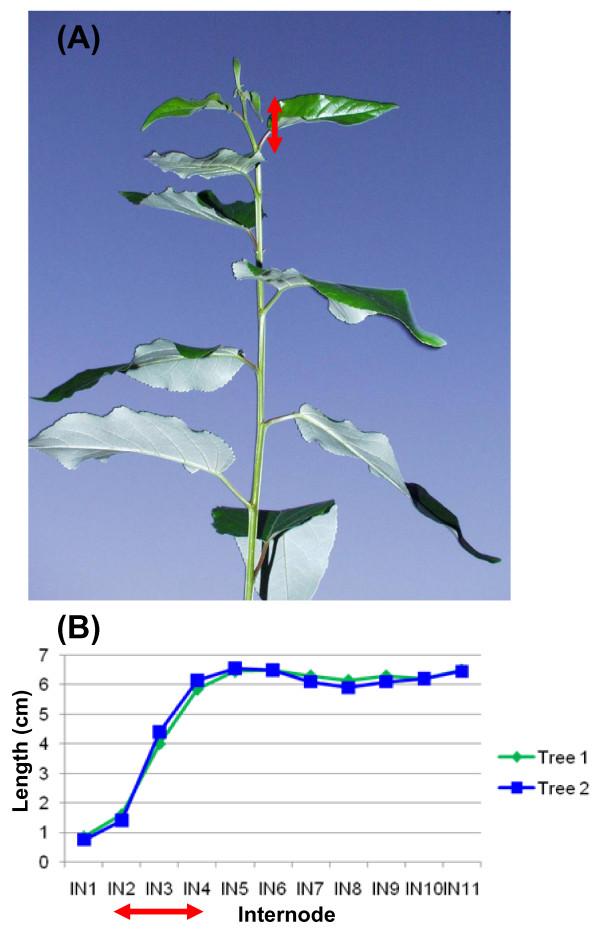
With its genome sequence and other experimental attributes, Populus trichocarpa has become the model species for genomic studies of wood development. Wood is derived from secondary growth of tree stems, and begins with the development of a ring of vascular cambium in the young developing stem. The terminal region of the developing shoot provides a steep developmental gradient from primary to secondary growth that facilitates identification of genes that play specialized functions during each of these phases of growth.
RESULTS
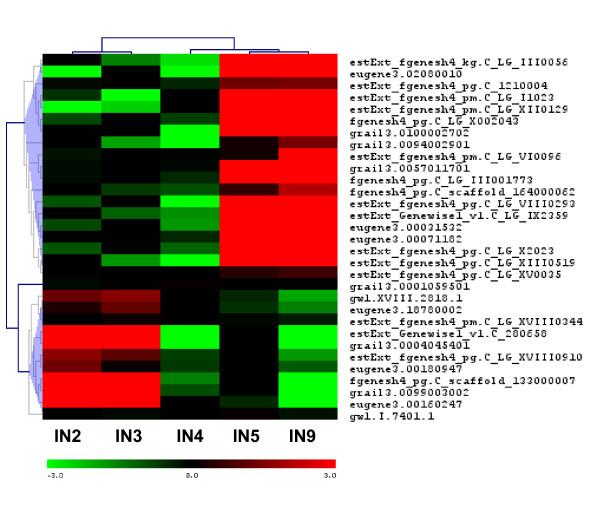
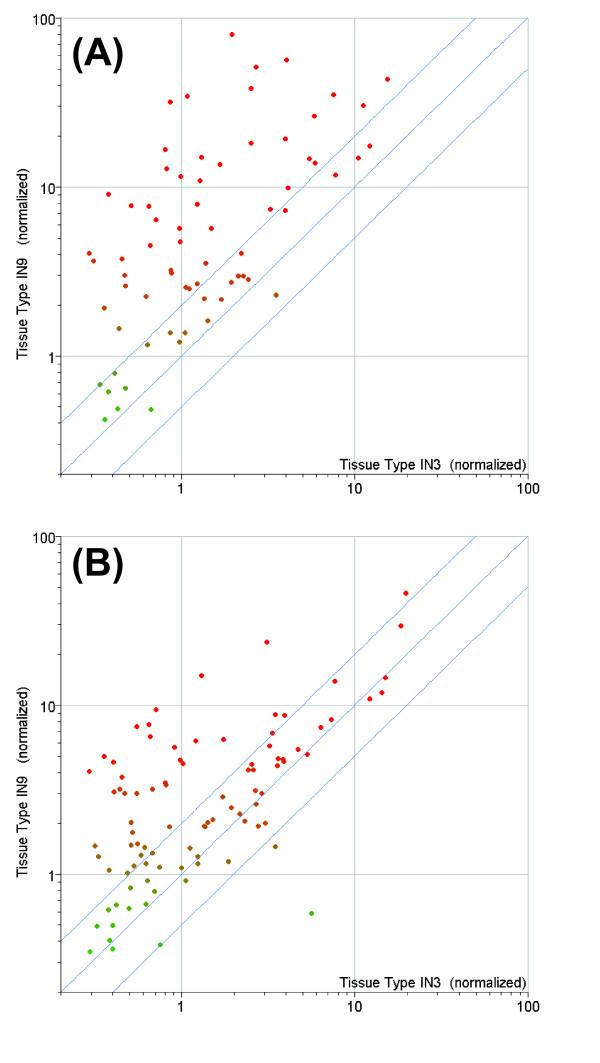
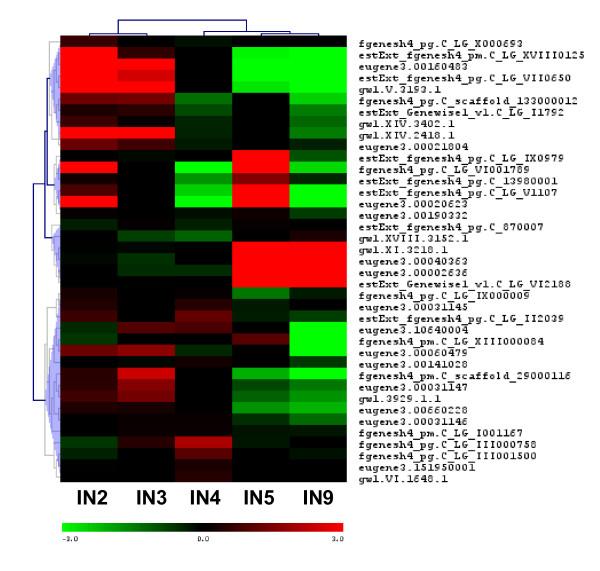
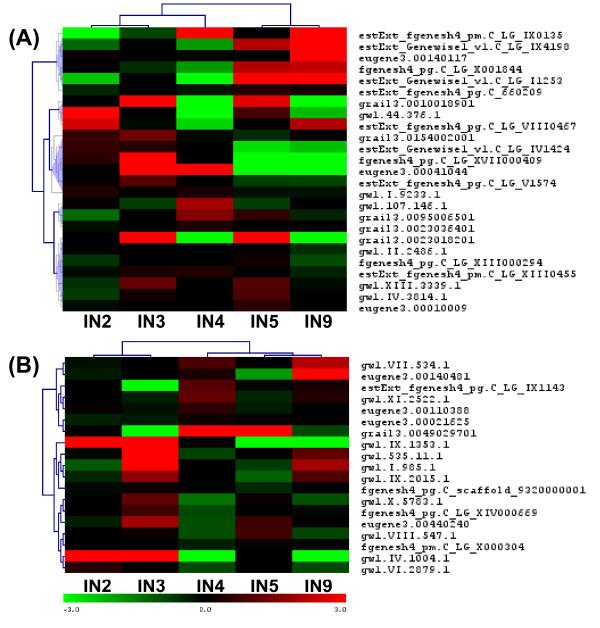
Using a genomic microarray representing the majority of the transcriptome, we profiled gene expression in stem segments that spanned primary to secondary growth. We found 3,016 genes that were differentially expressed during stem development (Q-value </= 0.05; >2-fold expression variation), and 15% of these genes encode proteins with no significant identities to known genes. We identified all gene family members putatively involved in secondary growth for carbohydrate active enzymes, tubulins, actins, actin depolymerizing factors, fasciclin-like AGPs, and vascular development-associated transcription factors. Almost 70% of expressed transcription factors were upregulated during the transition to secondary growth. The primary shoot elongation region of the stem contained specific carbohydrate active enzyme and expansin family members that are likely to function in primary cell wall synthesis and modification. Genes involved in plant defense and protective functions were also dominant in the primary growth region.
CONCLUSION
Our results describe the global patterns of gene expression that occur during the transition from primary to secondary stem growth. We were able to identify three major patterns of gene expression and over-represented gene ontology categories during stem development. The new regulatory factors and cell wall biogenesis genes that we identified provide candidate genes for further functional characterization, as well as new tools for molecular breeding and biotechnology aimed at improvement of tree growth rate, crown form, and wood quality.
背景
由于其基因组序列和其他实验特性,杨属已成为木质部发育的基因组研究的模式物种。木质部来源于树干的次生生长,始于年轻发育茎中维管形成层的发育。发育芽的末端区域提供了从初生生长到次生生长的陡峭发育梯度,这有利于鉴定在这些生长阶段中发挥特殊功能的基因。
结果
使用代表转录组大部分的基因组微阵列,我们对跨越初生生长到次生生长的茎段中的基因表达进行了分析。我们发现了 3016 个在茎发育过程中差异表达的基因(Q 值</= 0.05;表达变化倍数> 2 倍),其中 15%的基因编码的蛋白质与已知基因没有显著的同源性。我们鉴定了所有可能参与碳水化合物活性酶、微管蛋白、肌动蛋白、肌动蛋白解聚因子、纤维蛋白样 AGP 和与血管发育相关的转录因子的次生生长的基因家族成员。在向次生生长过渡期间,近 70%的表达转录因子上调。茎的初生芽伸长区含有特定的碳水化合物活性酶和扩张蛋白家族成员,可能在初生细胞壁的合成和修饰中发挥作用。参与植物防御和保护功能的基因在初生生长区也占主导地位。
结论
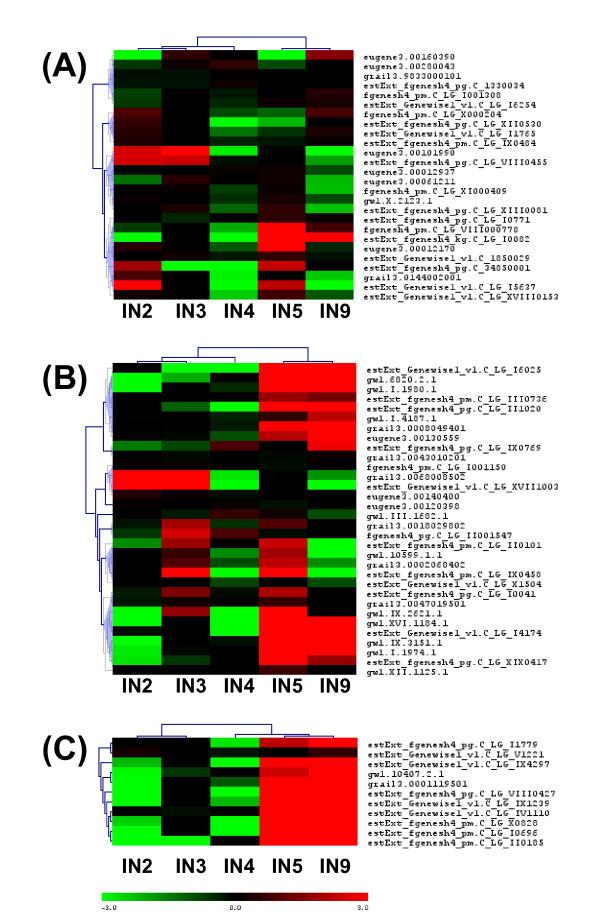
我们的结果描述了从初生到次生茎生长过渡过程中基因表达的总体模式。我们能够在茎发育过程中鉴定出三种主要的基因表达模式和过度表达的基因本体论类别。我们鉴定的新的调节因子和细胞壁生物发生基因为进一步的功能特征提供了候选基因,以及用于分子育种和生物技术的新工具,旨在提高树木的生长速度、树冠形态和木材质量。



 Zotero 插件