
定义有性期荚膜组织胞浆菌细胞外蛋白质组。
Definition of the extracellular proteome of pathogenic-phase Histoplasma capsulatum.
机构信息
Departments of Microbiology and Internal Medicine, The Center for Microbial Interface Biology, The Ohio State University, Columbus, Ohio 43210, United States.
出版信息
J Proteome Res. 2011 Apr 1;10(4):1929-43. doi: 10.1021/pr1011697. Epub 2011 Feb 25.
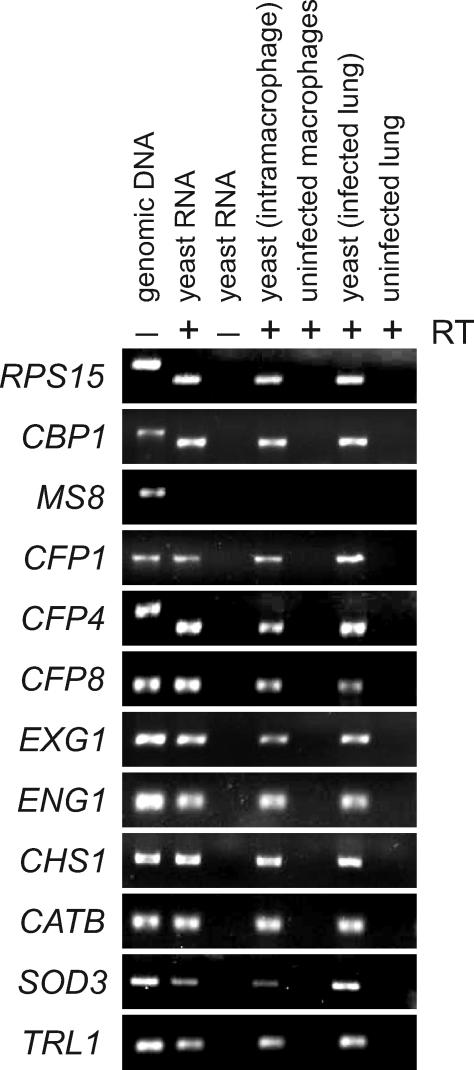
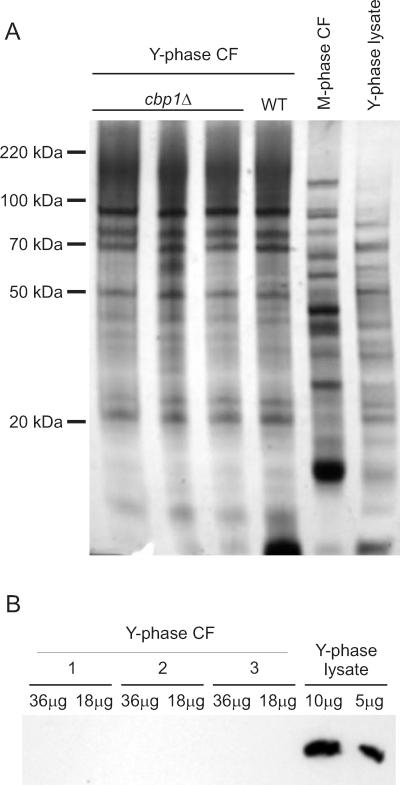
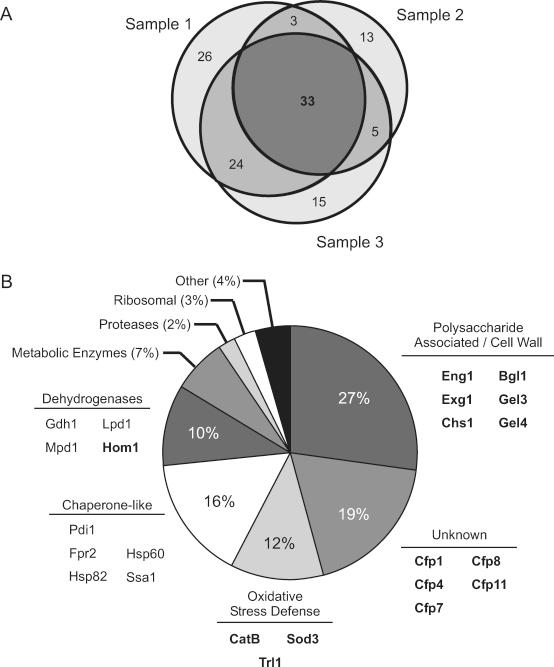
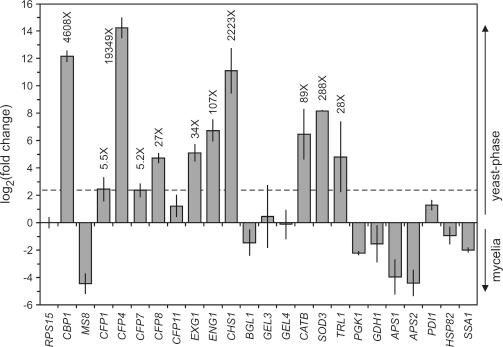
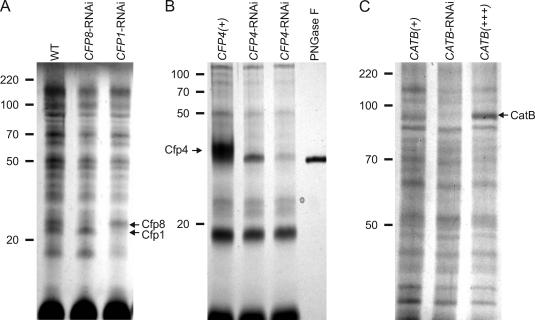
The dimorphic fungal pathogen Histoplasma capsulatum causes respiratory and systemic disease. Within the mammalian host, pathogenic Histoplasma yeast infect, replicate within, and ultimately kill host phagocytes. Surprisingly, few factors have been identified that contribute to Histoplasma virulence. To address this deficiency, we have defined the constituents of the extracellular proteome using LC-MS/MS analysis of the proteins in pathogenic-phase culture filtrates of Histoplasma. In addition to secreted Cbp1, the extracellular proteome of pathogenic Histoplasma yeast consists of 33 deduced proteins. The proteins include glycanases, extracellular enzymes related to oxidative stress defense, dehydrogenase enzymes, chaperone-like factors, and five novel culture filtrate proteins (Cfp's). For independent verification of proteomics-derived identities, we employed RNA interference (RNAi)-based depletion of candidate factors and showed loss of specific proteins from the cell-free culture filtrate. Quantitative RT-PCR revealed the expression of 10 of the extracellular factors was particularly enriched in pathogenic yeast cells as compared to nonpathogenic Histoplasma mycelia, suggesting that these proteins are linked to Histoplasma pathogenesis. In addition, Histoplasma yeast express these factors within macrophages and during infection of murine lungs. As extracellular proteins are positioned at the interface between host and pathogen, the definition of the pathogenic-phase extracellular proteome provides a foundation for the molecular dissection of how Histoplasma alters the host-pathogen interaction to its advantage.
双相真菌病原体荚膜组织胞浆菌可引起呼吸道和全身疾病。在哺乳动物宿主中,致病性荚膜组织胞浆菌酵母感染、在宿主吞噬细胞内复制,并最终杀死宿主吞噬细胞。令人惊讶的是,只有少数因素被确定有助于荚膜组织胞浆菌的毒力。为了解决这一不足,我们使用 LC-MS/MS 分析致病性相培养滤液中的蛋白质,定义了细胞外蛋白质组的组成部分。除了分泌的 Cbp1 外,致病性荚膜组织胞浆菌酵母的细胞外蛋白质组还包括 33 个推导的蛋白质。这些蛋白质包括糖酶、与氧化应激防御相关的细胞外酶、脱氢酶、伴侣样因子和 5 种新型培养滤液蛋白(Cfp)。为了独立验证蛋白质组学衍生的身份,我们采用 RNA 干扰 (RNAi) 基于候选因素的耗竭,并显示特定蛋白质从无细胞培养滤液中丢失。定量 RT-PCR 显示 10 种细胞外因子的表达在致病性酵母细胞中比非致病性荚膜组织胞浆菌菌丝体更为丰富,表明这些蛋白质与荚膜组织胞浆菌发病机制有关。此外,荚膜组织胞浆菌酵母在巨噬细胞内和感染小鼠肺部时表达这些因子。由于细胞外蛋白位于宿主和病原体之间的界面,因此,致病性相细胞外蛋白质组的定义为荚膜组织胞浆菌如何改变宿主-病原体相互作用以利于自身的分子剖析提供了基础。

 Zotero 插件