
多西环素并不影响血管紧张素 II 输注小鼠已形成的腹主动脉瘤。
Doxycycline does not influence established abdominal aortic aneurysms in angiotensin II-infused mice.
机构信息
Saha Cardiovascular Research Center, University of Kentucky, Lexington, Kentucky, United States of America.
出版信息
PLoS One. 2012;7(9):e46411. doi: 10.1371/journal.pone.0046411. Epub 2012 Sep 27.
BACKGROUND
There is no proven medical approach to attenuating expansion and rupture of abdominal aortic aneurysms (AAAs). One approach that is currently being investigated is the use of doxycycline. Despite being primarily used as an antimicrobial drug, doxycycline has been proposed to function in reducing AAA expansion. Doxycycline is effective in reducing the formation in the most commonly used mouse models of AAAs when administered prior to the initiation of the disease. The purpose of the current study was to determine the effects of doxycycline on established AAAs when it was administered at a dose that produces therapeutic serum concentrations.
METHODS AND RESULTS
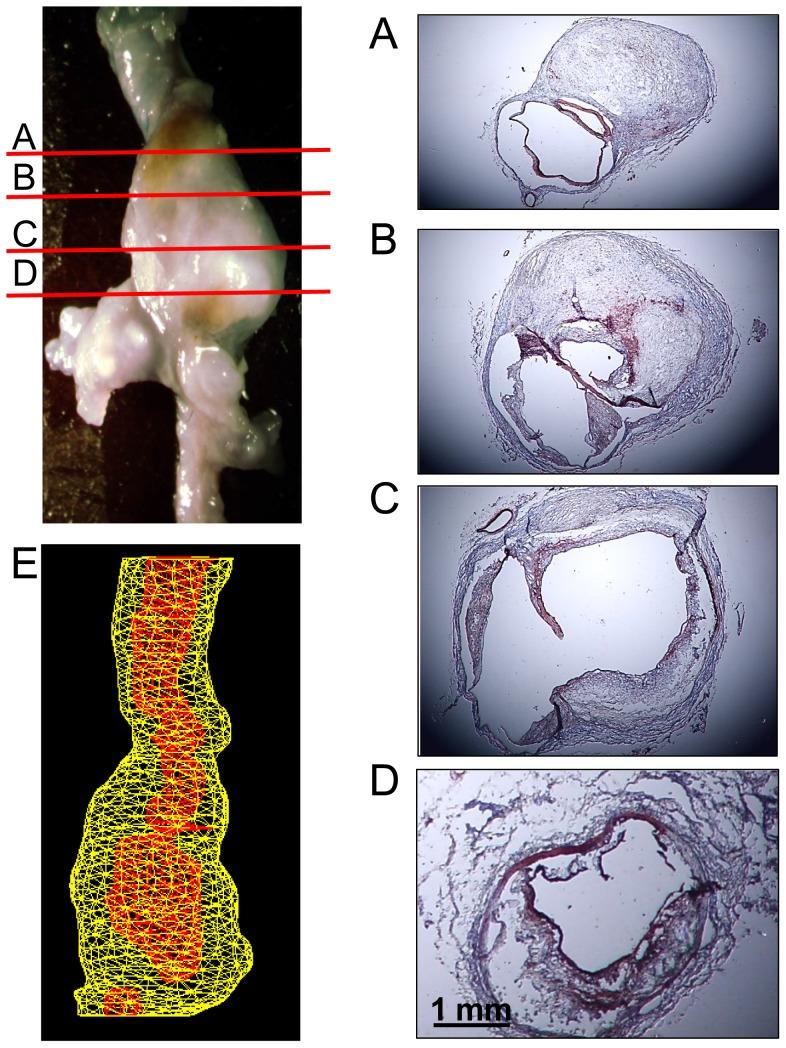
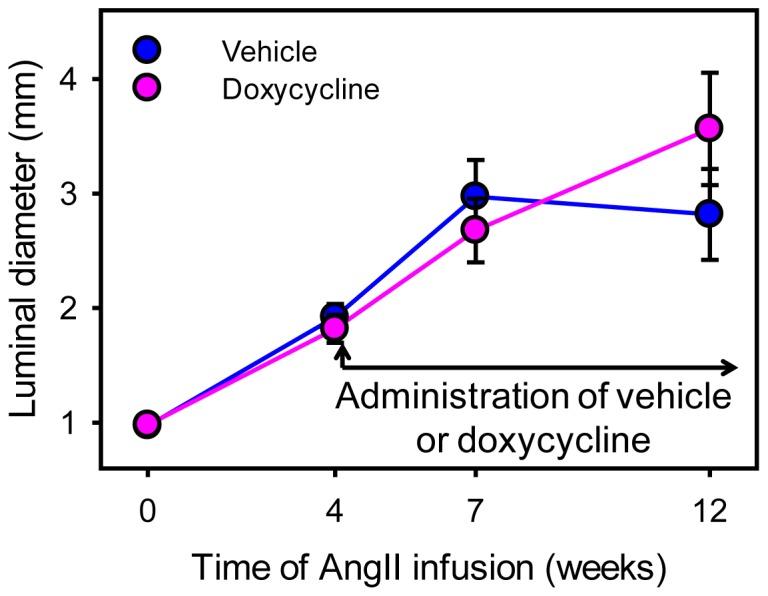
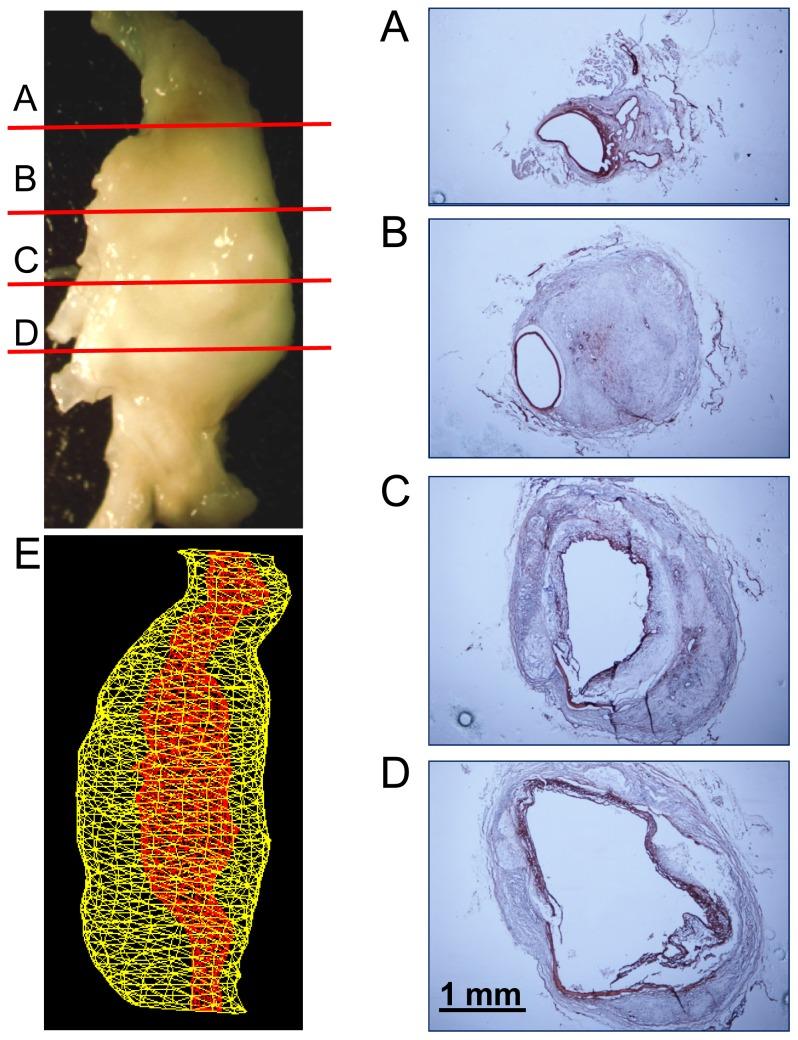
LDL receptor -/- male mice fed a saturated-fat supplemented diet were infused with AngII (1,000 ng/kg/min) via mini-osmotic pumps for 28 days. Upon verification of AAA formation by noninvasive high frequency ultrasonography, mice were stratified based on aortic lumen diameters, and continuously infused with AngII while also administered either vehicle or doxycycline (100 mg/kg/day) in drinking water for 56 days. Administration of doxycycline led to serum drug concentrations of 2.3 ± 0.6 µg/ml. Doxycycline administration had no effect on serum cholesterol concentrations and systolic blood pressures. Doxycycline administration did not prevent progressive aortic dilation as determined by temporal measurements of lumen dimensions using high frequency ultrasound. This lack of effect on AAA regression and progression was confirmed at the termination of the study by ex vivo measurements of maximal width of suprarenal aortas and AAA volumes. Also, doxycycline did not reduce AAA rupture. Medial and adventitial remodeling was not overtly changed by doxycycline as determined by immunostaining and histological staining.
CONCLUSIONS
Doxycycline administration did not influence AngII-induced AAA progression and aortic rupture when administered to mice with established AAAs.
背景
目前尚无经证实的医学方法可减弱腹主动脉瘤(AAA)的扩张和破裂。目前正在研究的一种方法是使用强力霉素。尽管强力霉素主要用作抗菌药物,但已提出它可通过减少 AAA 扩张来发挥作用。在疾病开始之前给予强力霉素,可有效减少最常用的 AAA 小鼠模型中的形成。本研究的目的是确定在产生治疗性血清浓度的剂量下给予强力霉素对已建立的 AAA 的影响。
方法和结果
给予 LDL 受体 -/- 雄性小鼠富含饱和脂肪的饮食,并通过微型渗透泵输注 AngII(1000ng/kg/min)28 天。通过非侵入性高频超声验证 AAA 的形成后,根据主动脉管腔直径对小鼠进行分层,并在继续输注 AngII 的同时,通过饮用水连续给予载体或强力霉素(100mg/kg/天)56 天。强力霉素的给药导致血清药物浓度为 2.3 ± 0.6μg/ml。强力霉素给药对血清胆固醇浓度和收缩压没有影响。强力霉素给药并未阻止高频超声定期测量管腔尺寸时确定的主动脉进行性扩张。在研究结束时通过对肾上主动脉的最大宽度和 AAA 体积进行离体测量,证实了这种对 AAA 消退和进展的影响。此外,强力霉素也不会减少 AAA 的破裂。通过免疫染色和组织学染色确定,强力霉素并未改变中膜和外膜重塑。
结论
当给予已患有 AAA 的小鼠时,强力霉素给药并未影响 AngII 诱导的 AAA 进展和主动脉破裂。




 Zotero 插件