
药用植物:抗寄生虫次级代谢产物的来源。
Medicinal plants: a source of anti-parasitic secondary metabolites.
机构信息
Institute of Pharmacy and Molecular Biotechnology, INF 364, Heidelberg University, D-69120 Heidelberg, Germany.
出版信息
Molecules. 2012 Oct 31;17(11):12771-91. doi: 10.3390/molecules171112771.
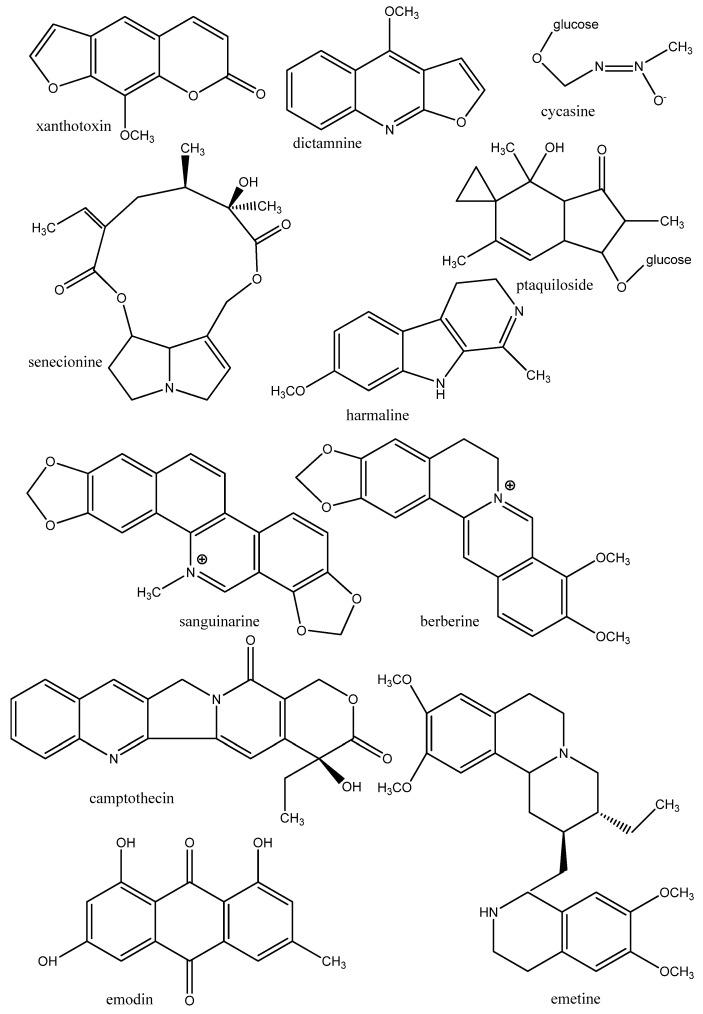
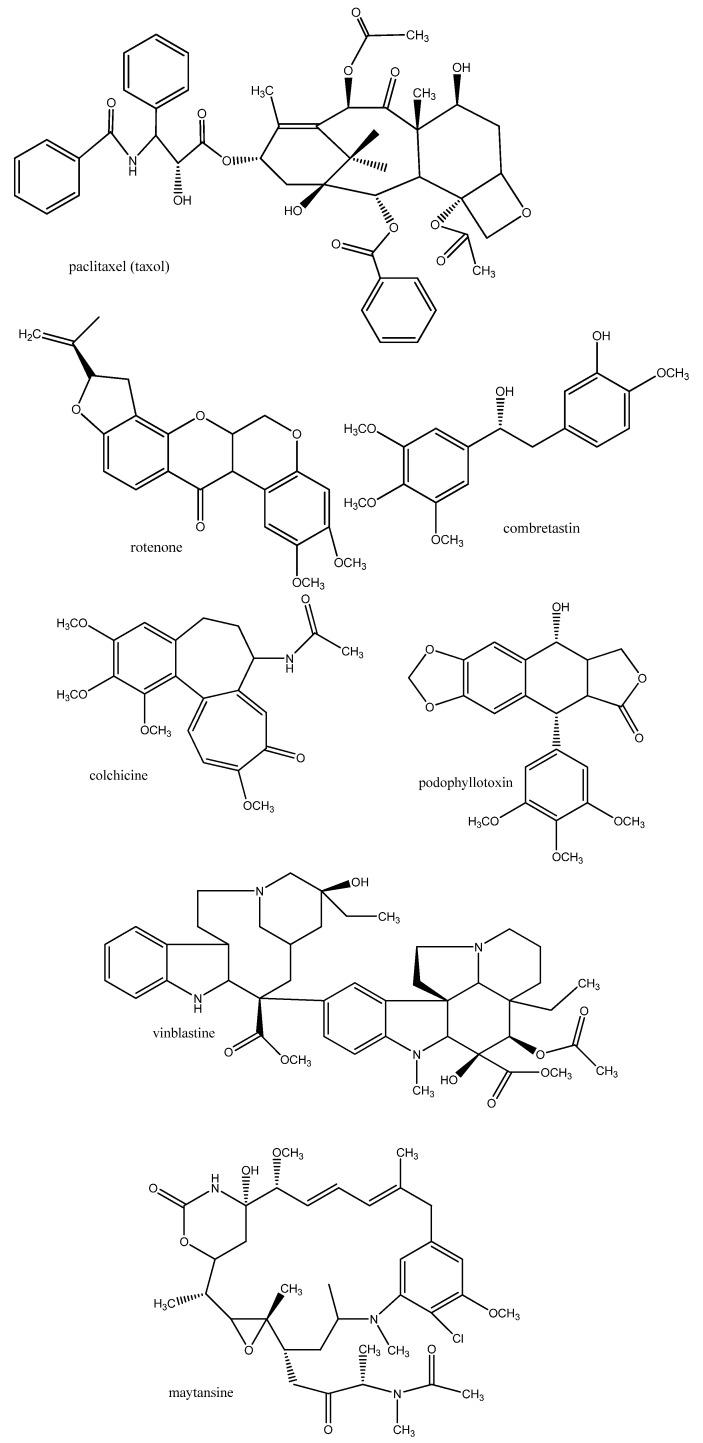
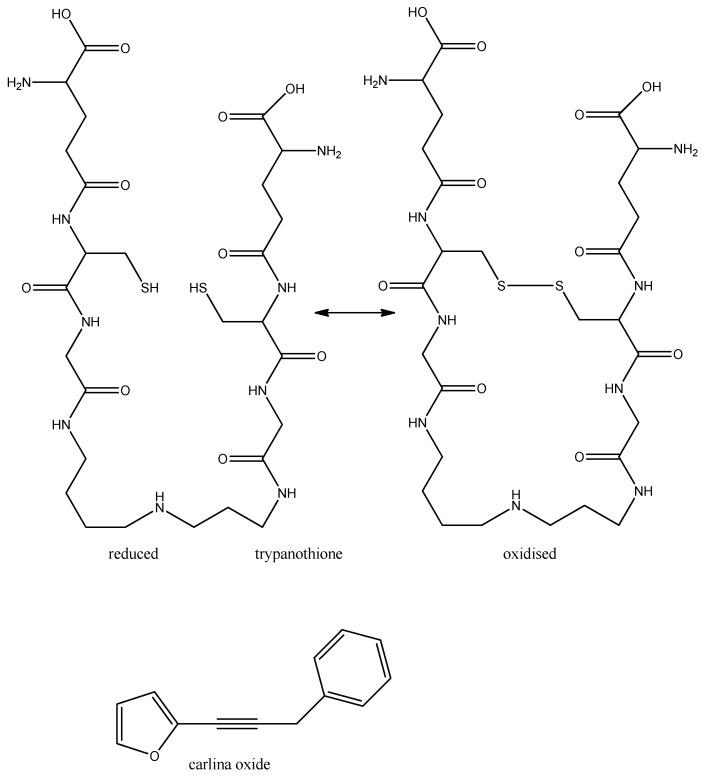
This review summarizes human infections caused by endoparasites, including protozoa, nematodes, trematodes, and cestodes, which affect more than 30% of the human population, and medicinal plants of potential use in their treatment. Because vaccinations do not work in most instances and the parasites have sometimes become resistant to the available synthetic therapeutics, it is important to search for alternative sources of anti-parasitic drugs. Plants produce a high diversity of secondary metabolites with interesting biological activities, such as cytotoxic, anti-parasitic and anti-microbial properties. These drugs often interfere with central targets in parasites, such as DNA (intercalation, alkylation), membrane integrity, microtubules and neuronal signal transduction. Plant extracts and isolated secondary metabolites which can inhibit protozoan parasites, such as Plasmodium, Trypanosoma, Leishmania, Trichomonas and intestinal worms are discussed. The identified plants and compounds offer a chance to develop new drugs against parasitic diseases. Most of them need to be tested in more detail, especially in animal models and if successful, in clinical trials.
本文综述了内寄生虫(包括原生动物、线虫、吸虫和绦虫)引起的人类感染,这些寄生虫影响了超过 30%的人口,同时还综述了可能用于治疗这些寄生虫感染的药用植物。由于大多数情况下疫苗无效,而且寄生虫有时对现有合成疗法产生了耐药性,因此寻找抗寄生虫药物的替代来源非常重要。植物产生了具有有趣生物活性的多种次生代谢物,如细胞毒性、抗寄生虫和抗微生物特性。这些药物通常会干扰寄生虫的中央靶点,如 DNA(嵌入、烷基化)、膜完整性、微管和神经元信号转导。本文讨论了可以抑制原生动物寄生虫(如疟原虫、锥虫、利什曼原虫、滴虫和肠道蠕虫)的植物提取物和分离的次生代谢物。已鉴定的植物和化合物为开发针对寄生虫病的新药提供了机会。其中大多数需要更详细地测试,特别是在动物模型中,如果成功,还需要在临床试验中进行测试。



 Zotero 插件