
人类肝细胞癌中 DLK1-MEG3 基因座的印记丢失和等位基因转换。
Loss of imprinting and allelic switching at the DLK1-MEG3 locus in human hepatocellular carcinoma.
机构信息
Institute of Pathology, Medizinische Hochschule Hannover, Hannover, Germany.
出版信息
PLoS One. 2012;7(11):e49462. doi: 10.1371/journal.pone.0049462. Epub 2012 Nov 8.
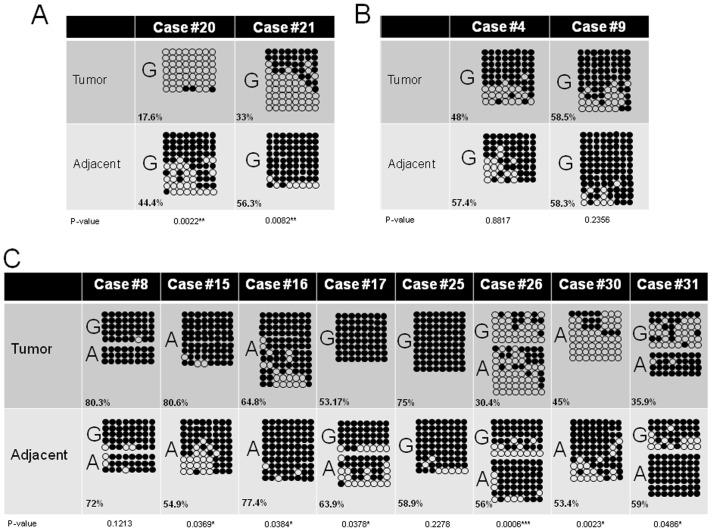
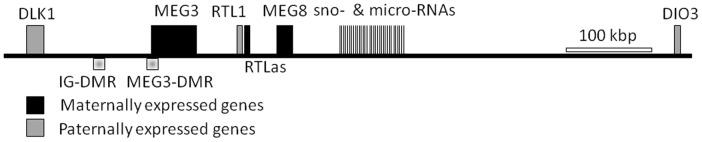
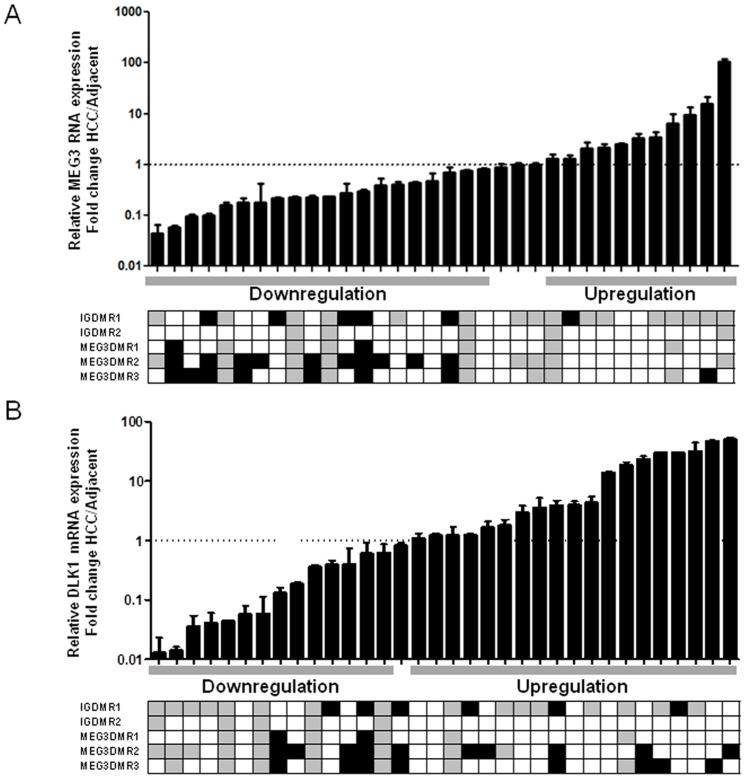
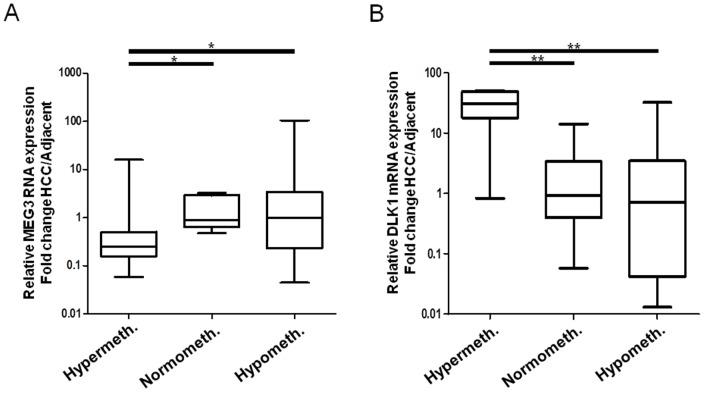
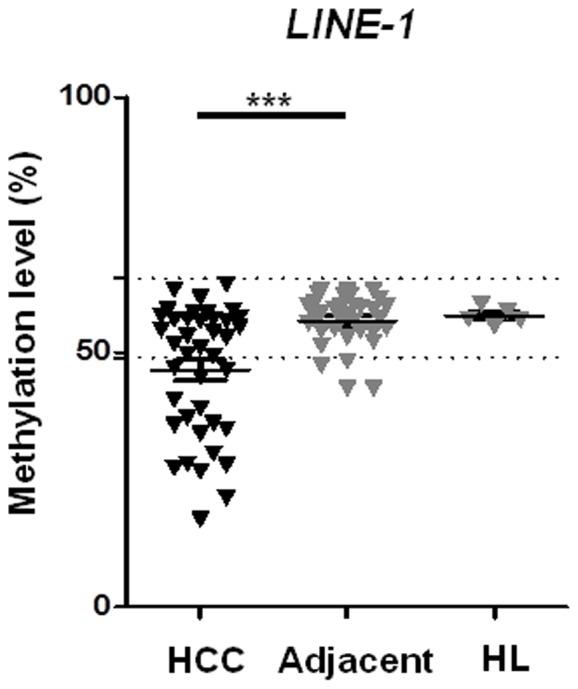
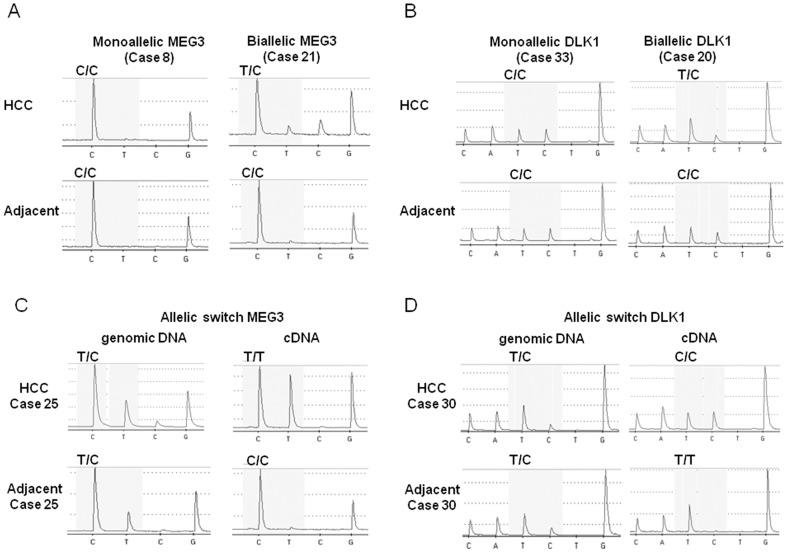
Deregulation of imprinted genes is an important molecular mechanism contributing to the development of cancer in humans. However, knowledge about imprinting defects in human hepatocellular carcinoma (HCC), the third leading cause of cancer mortality worldwide, is still limited. Therefore, a systematic meta-analysis of the expression of 223 imprinted loci in human HCC was initiated. This screen revealed that the DLK1-MEG3 locus is frequently deregulated in HCC. Deregulation of DLK1 and MEG3 expression accompanied by extensive aberrations in DNA methylation could be confirmed experimentally in an independent series of human HCC (n = 40) in more than 80% of cases. Loss of methylation at the DLK1-MEG3 locus correlates linearly with global loss of DNA methylation in HCC (r(2) = 0.63, p<0.0001). Inhibition of DNMT1 in HCC cells using siRNA led to a reduction in MEG3-DMR methylation and concomitant increase in MEG3 RNA expression. Allele-specific expression analysis identified loss of imprinting in 10 out of 31 informative samples (32%), rendering it one of the most frequent molecular defects in human HCC. In 2 cases unequivocal gain of bi-allelic expression accompanied by substantial loss of methylation at the IG-DMR could be demonstrated. In 8 cases the tumour cells displayed allelic switching by mono-allelic expression of the normally imprinted allele. Allelic switching was accompanied by gains or losses of DNA methylation primarily at IG-DMR1. Analysis of 10 hepatocellular adenomas (HCA) and 5 cases of focal nodular hyperplasia (FNH) confirmed that this epigenetic instability is specifically associated with the process of malignant transformation and not linked to increased proliferation per se. This widespread imprint instability in human HCC has to be considered in order to minimize unwanted side-effects of therapeutic approaches targeting the DNA methylation machinery. It might also serve in the future as predictive biomarker and for monitoring response to epigenetic therapy.
印迹基因的失调是导致人类癌症发生的重要分子机制。然而,对于全球癌症死亡率排名第三的人肝癌(HCC)中的印迹缺陷的认识仍然有限。因此,我们启动了对 223 个人类 HCC 印迹基因座的表达进行系统的荟萃分析。该筛选揭示了 DLK1-MEG3 基因座在 HCC 中经常失调。在一个独立的 HCC 人类系列(n = 40)中,超过 80%的病例可以通过实验证实 DLK1 和 MEG3 表达的失调伴随着广泛的 DNA 甲基化异常。DLK1-MEG3 基因座的甲基化丢失与 HCC 中整体 DNA 甲基化丢失呈线性相关(r(2) = 0.63,p<0.0001)。在 HCC 细胞中使用 siRNA 抑制 DNMT1 导致 MEG3-DMR 甲基化减少和 MEG3 RNA 表达增加。等位基因特异性表达分析在 31 个有信息的样本中发现了 10 个(32%)印迹丢失,使其成为人类 HCC 中最常见的分子缺陷之一。在 2 个病例中,可以明确地观察到双等位基因表达的获得伴随着 IG-DMR 上大量的甲基化丢失。在 8 个病例中,肿瘤细胞通过正常印迹等位基因的单等位基因表达显示等位基因转换。等位基因转换伴随着 IG-DMR1 上的 DNA 甲基化获得或丢失。对 10 个肝细胞腺瘤(HCA)和 5 个局灶性结节性增生(FNH)的分析证实,这种表观遗传不稳定性与恶性转化过程有关,而不是与增殖本身有关。在人肝癌中广泛存在的印迹不稳定,在考虑针对 DNA 甲基化机制的治疗方法时必须加以考虑,以尽量减少不必要的副作用。它也可以作为未来的预测生物标志物,并用于监测对表观遗传治疗的反应。

 Zotero 插件