
透明质酸(HA)相互作用蛋白 RHAMM 和透明质酸酶影响基于 3DHA 的水凝胶中前列腺癌细胞的行为和侵袭小体的形成。
Hyaluronan (HA) interacting proteins RHAMM and hyaluronidase impact prostate cancer cell behavior and invadopodia formation in 3D HA-based hydrogels.
机构信息
Department of Biological Sciences, University of Delaware, Newark, Delaware, United States of America.
出版信息
PLoS One. 2012;7(11):e50075. doi: 10.1371/journal.pone.0050075. Epub 2012 Nov 16.
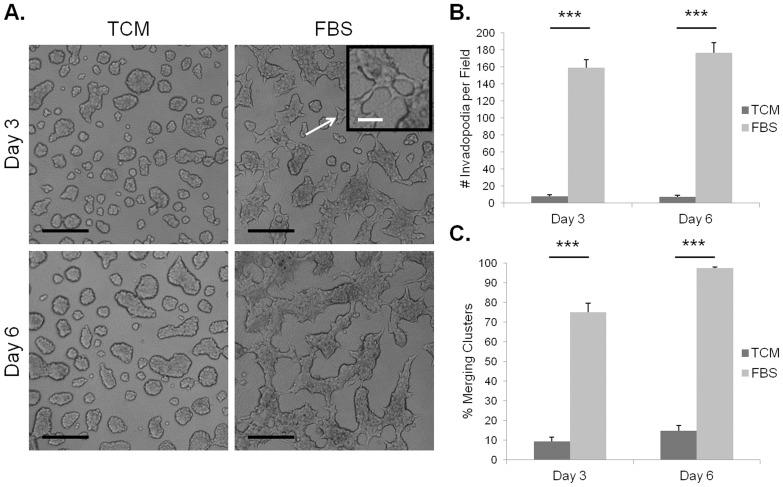
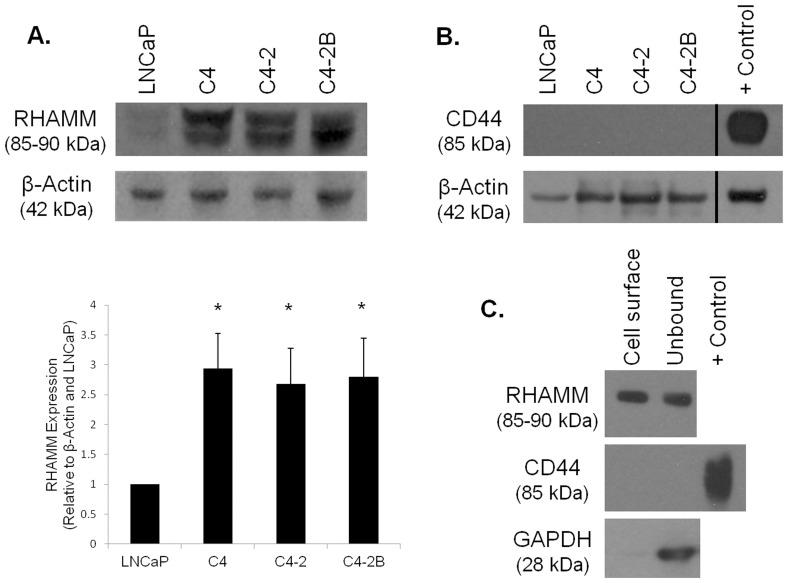
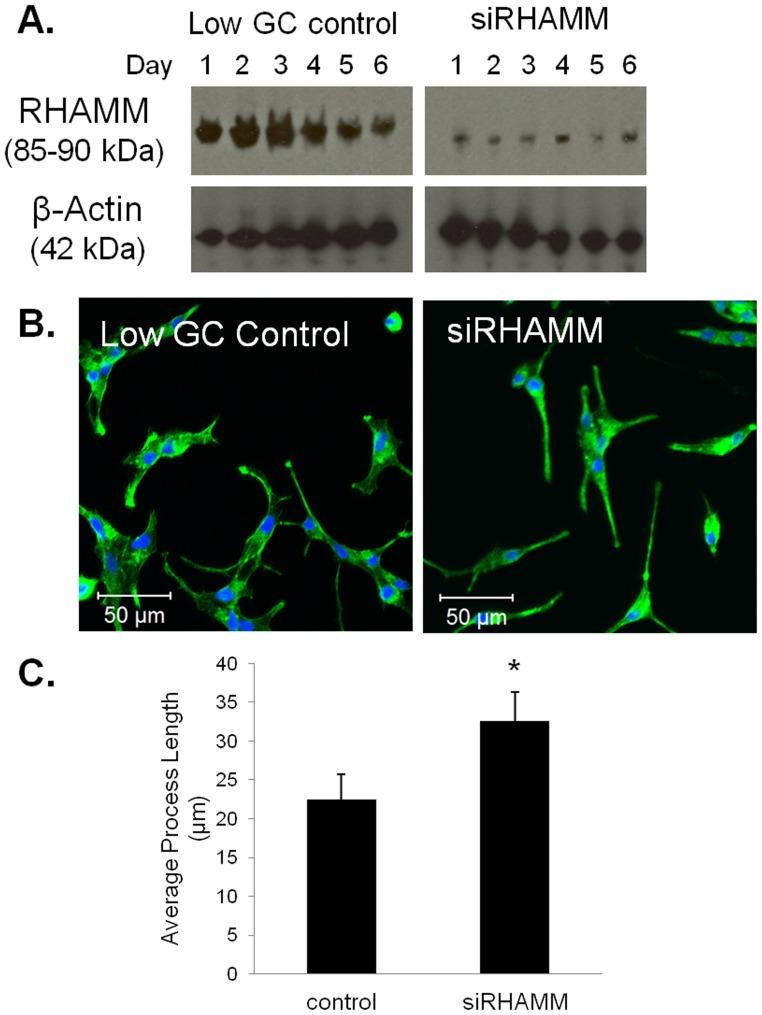
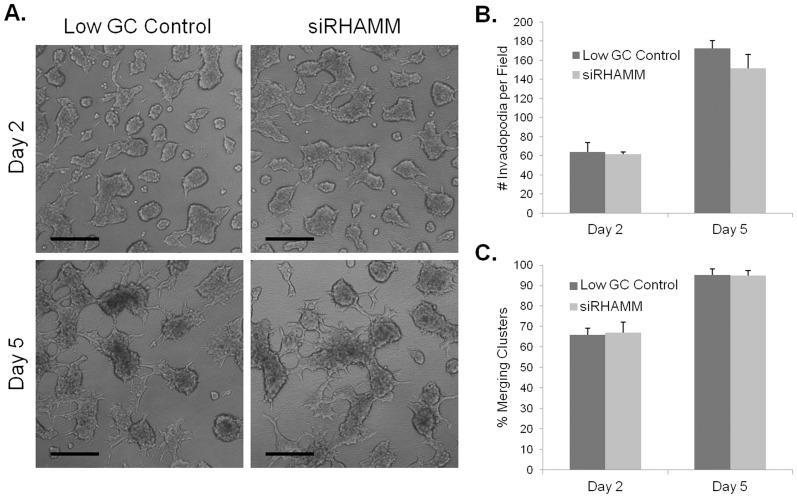
To study the individual functions of hyaluronan interacting proteins in prostate cancer (PCa) motility through connective tissues, we developed a novel three-dimensional (3D) hyaluronic acid (HA) hydrogel assay that provides a flexible, quantifiable, and physiologically relevant alternative to current methods. Invasion in this system reflects the prevalence of HA in connective tissues and its role in the promotion of cancer cell motility and tissue invasion, making the system ideal to study invasion through bone marrow or other HA-rich connective tissues. The bio-compatible cross-linking process we used allows for direct encapsulation of cancer cells within the gel where they adopt a distinct, cluster-like morphology. Metastatic PCa cells in these hydrogels develop fingerlike structures, "invadopodia", consistent with their invasive properties. The number of invadopodia, as well as cluster size, shape, and convergence, can provide a quantifiable measure of invasive potential. Among candidate hyaluronan interacting proteins that could be responsible for the behavior we observed, we found that culture in the HA hydrogel triggers invasive PCa cells to differentially express and localize receptor for hyaluronan mediated motility (RHAMM)/CD168 which, in the absence of CD44, appears to contribute to PCa motility and invasion by interacting with the HA hydrogel components. PCa cell invasion through the HA hydrogel also was found to depend on the activity of hyaluronidases. Studies shown here reveal that while hyaluronidase activity is necessary for invadopodia and inter-connecting cluster formation, activity alone is not sufficient for acquisition of invasiveness to occur. We therefore suggest that development of invasive behavior in 3D HA-based systems requires development of additional cellular features, such as activation of motility associated pathways that regulate formation of invadopodia. Thus, we report development of a 3D system amenable to dissection of biological processes associated with cancer cell motility through HA-rich connective tissues.
为了研究透明质酸相互作用蛋白在前列腺癌(PCa)通过结缔组织运动中的个体功能,我们开发了一种新的三维(3D)透明质酸(HA)水凝胶测定法,为当前方法提供了一种灵活、可量化和生理相关的替代方法。该系统中的侵袭反映了结缔组织中 HA 的普遍性及其在促进癌细胞运动和组织侵袭中的作用,因此该系统非常适合研究通过骨髓或其他富含 HA 的结缔组织的侵袭。我们使用的生物相容的交联过程允许将癌细胞直接包裹在凝胶中,在凝胶中,癌细胞呈现出独特的、簇状的形态。这些水凝胶中的转移性 PCa 细胞形成指状结构,即“侵袭伪足”,这与它们的侵袭特性一致。侵袭伪足的数量以及簇的大小、形状和汇聚,可以提供侵袭潜力的可量化度量。在可能导致我们观察到的行为的候选透明质酸相互作用蛋白中,我们发现,在 HA 水凝胶中培养会触发侵袭性 PCa 细胞差异表达和定位透明质酸介导的运动受体(RHAMM)/CD168,在没有 CD44 的情况下,它似乎通过与 HA 水凝胶成分相互作用来促进 PCa 的运动和侵袭。还发现 PCa 细胞通过 HA 水凝胶的侵袭依赖于透明质酸酶的活性。这里显示的研究表明,虽然透明质酸酶活性对于侵袭伪足和连接簇的形成是必需的,但活性本身不足以发生侵袭性的获得。因此,我们认为在 3D HA 基系统中发展侵袭性行为需要发展其他细胞特征,例如激活调节侵袭伪足形成的运动相关途径。因此,我们报告了一种 3D 系统的开发,该系统适合于剖析与富含 HA 的结缔组织中癌细胞运动相关的生物学过程。





 Zotero 插件