
海洋omega-3磷脂:代谢与生物活性。
Marine omega-3 phospholipids: metabolism and biological activities.
作者信息
Burri Lena, Hoem Nils, Banni Sebastiano, Berge Kjetil
机构信息
Aker BioMarine ASA, Fjordalléen 16, NO-0115 Oslo, Norway.
出版信息
Int J Mol Sci. 2012 Nov 21;13(11):15401-19. doi: 10.3390/ijms131115401.
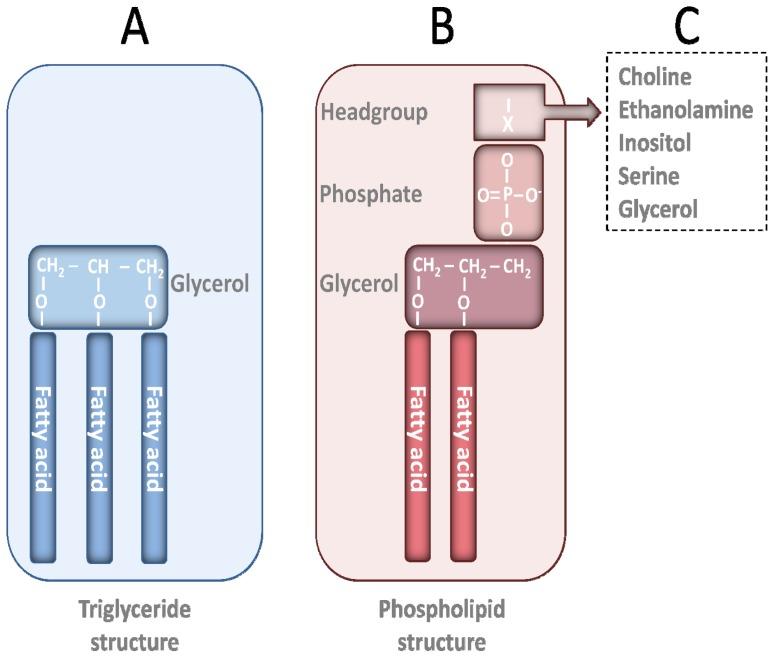
The biological activities of omega-3 fatty acids (n-3 FAs) have been under extensive study for several decades. However, not much attention has been paid to differences of dietary forms, such as triglycerides (TGs) versus ethyl esters or phospholipids (PLs). New innovative marine raw materials, like krill and fish by-products, present n-3 FAs mainly in the PL form. With their increasing availability, new evidence has emerged on n-3 PL biological activities and differences to n-3 TGs. In this review, we describe the recently discovered nutritional properties of n-3 PLs on different parameters of metabolic syndrome and highlight their different metabolic bioavailability in comparison to other dietary forms of n-3 FAs.
几十年来,ω-3脂肪酸(n-3 FAs)的生物活性一直受到广泛研究。然而,人们对膳食形式的差异,如甘油三酯(TGs)与乙酯或磷脂(PLs)的差异关注较少。新的创新海洋原料,如磷虾和鱼类副产品,其n-3 FAs主要以PL形式存在。随着它们的可得性增加,关于n-3 PL生物活性及其与n-3 TGs差异的新证据不断涌现。在这篇综述中,我们描述了n-3 PLs最近发现的对代谢综合征不同参数的营养特性,并强调了与其他膳食形式的n-3 FAs相比,它们不同的代谢生物利用度。
 Zotero 插件