
对多重耐药性肠炎沙门氏菌海德堡血清型分离株质粒的 DNA 序列分析。
DNA sequence analysis of plasmids from multidrug resistant Salmonella enterica serotype Heidelberg isolates.
机构信息
Division of Microbiology, National Center for Toxicological Research, United States Food and Drug Administration, Jefferson, AK, USA.
出版信息
PLoS One. 2012;7(12):e51160. doi: 10.1371/journal.pone.0051160. Epub 2012 Dec 10.
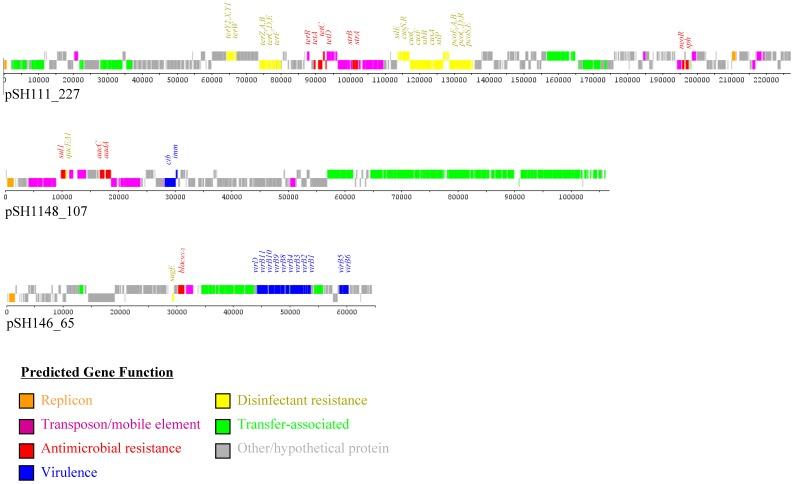
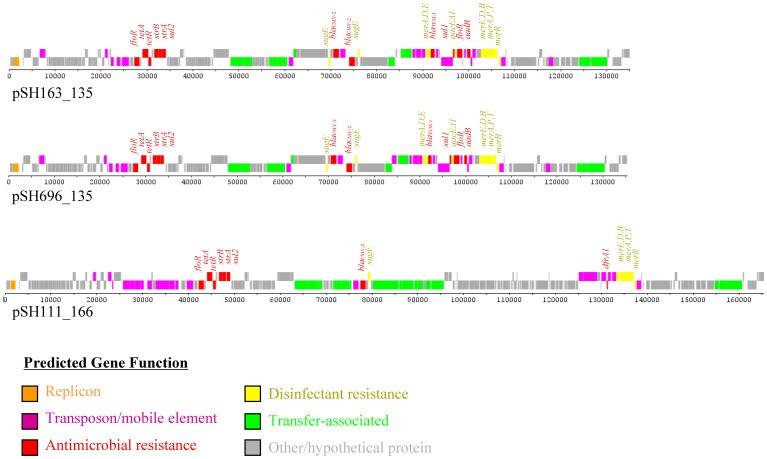
Salmonella enterica serovar Heidelberg is among the most detected serovars in swine and poultry, ranks among the top five serotypes associated with human salmonellosis and is disproportionately associated with invasive infections and mortality in humans. Salmonella are known to carry plasmids associated with antimicrobial resistance and virulence. To identify plasmid-associated genes in multidrug resistant S. enterica serovar Heidelberg, antimicrobial resistance plasmids from five isolates were sequenced using the 454 LifeSciences pyrosequencing technology. Four of the isolates contained incompatibility group (Inc) A/C multidrug resistance plasmids harboring at least eight antimicrobial resistance genes. Each of these strains also carried a second resistance plasmid including two IncFIB, an IncHI2 and a plasmid lacking an identified Inc group. The fifth isolate contained an IncI1 plasmid, encoding resistance to gentamicin, streptomycin and sulfonamides. Some of the IncA/C plasmids lacked the full concert of transfer genes and yet were able to be conjugally transferred, likely due to the transfer genes carried on the companion plasmids in the strains. Several non-IncA/C resistance plasmids also carried putative virulence genes. When the sequences were compared to previously sequenced plasmids, it was found that while all plasmids demonstrated some similarity to other plasmids, they were unique, often due to differences in mobile genetic elements in the plasmids. Our study suggests that Salmonella Heidelberg isolates harbor plasmids that co-select for antimicrobial resistance and virulence, along with genes that can mediate the transfer of plasmids within and among other bacterial isolates. Prevalence of such plasmids can complicate efforts to control the spread of S. enterica serovar Heidelberg in food animal and human populations.
肠炎沙门氏菌血清型海德堡是猪和家禽中最常见的血清型之一,是与人类沙门氏菌病相关的前五大血清型之一,与人类侵袭性感染和死亡率不成比例。沙门氏菌携带与抗菌药物耐药性和毒力相关的质粒。为了鉴定多重耐药肠炎沙门氏菌血清型海德堡中与质粒相关的基因,使用 454 LifeSciences 焦磷酸测序技术对来自五个分离株的抗菌药物耐药质粒进行测序。四个分离株含有可移动群(Inc)A/C 多重耐药质粒,携带至少八个抗菌药物耐药基因。这些菌株还携带第二个耐药质粒,包括两个 IncFIB、一个 IncHI2 和一个无法确定 Inc 组的质粒。第五个分离株含有编码对庆大霉素、链霉素和磺胺类药物耐药的 IncI1 质粒。一些 IncA/C 质粒缺乏完整的转移基因,但仍能够进行接合转移,可能是由于菌株中伴随质粒携带的转移基因。一些非 IncA/C 耐药质粒也携带潜在的毒力基因。当序列与以前测序的质粒进行比较时,发现虽然所有质粒都与其他质粒表现出一定的相似性,但它们是独特的,通常是由于质粒中移动遗传元件的差异。我们的研究表明,肠炎沙门氏菌分离株携带能够共同选择抗菌药物耐药性和毒力的质粒,以及能够介导质粒在其他细菌分离株之间转移的基因。这种质粒的流行可能会使控制食品动物和人群中肠炎沙门氏菌血清型海德堡传播的工作复杂化。

 Zotero 插件