
动物病原体 Corynebacterium pseudotuberculosis 的泛基因组揭示了生物型ovis 和 equi 菌株之间基因组可塑性的差异。
The pan-genome of the animal pathogen Corynebacterium pseudotuberculosis reveals differences in genome plasticity between the biovar ovis and equi strains.
机构信息
Department of General Biology, Federal University of Minas Gerais, Belo Horizonte, Minas Gerais, Brazil.
出版信息
PLoS One. 2013;8(1):e53818. doi: 10.1371/journal.pone.0053818. Epub 2013 Jan 14.
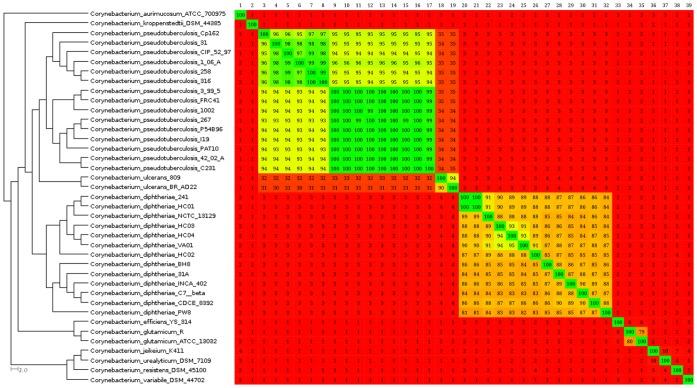
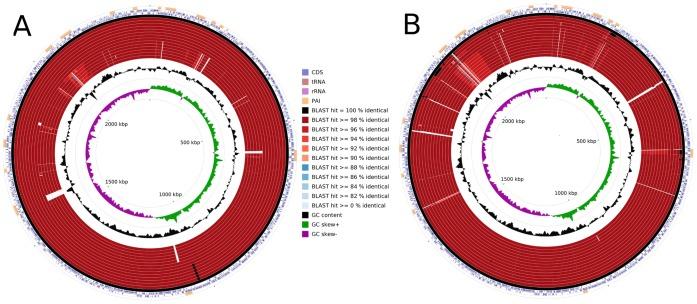
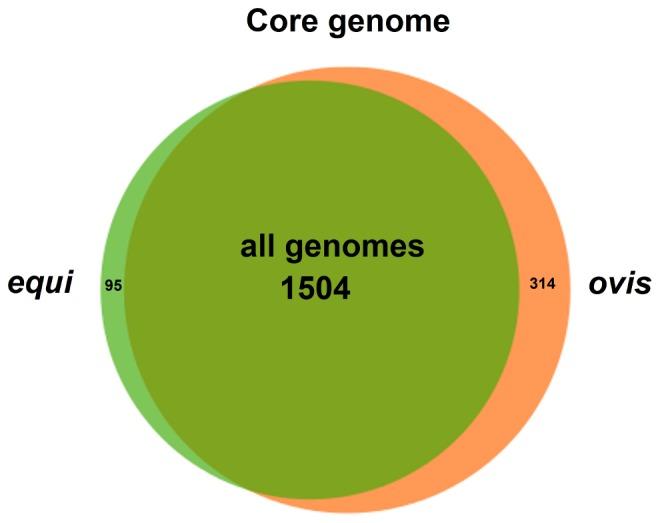
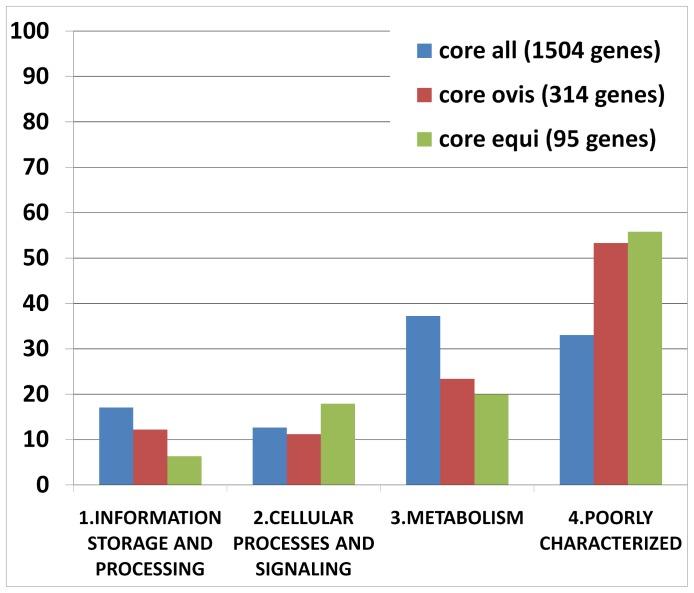
Corynebacterium pseudotuberculosis is a facultative intracellular pathogen and the causative agent of several infectious and contagious chronic diseases, including caseous lymphadenitis, ulcerative lymphangitis, mastitis, and edematous skin disease, in a broad spectrum of hosts. In addition, Corynebacterium pseudotuberculosis infections pose a rising worldwide economic problem in ruminants. The complete genome sequences of 15 C. pseudotuberculosis strains isolated from different hosts and countries were comparatively analyzed using a pan-genomic strategy. Phylogenomic, pan-genomic, core genomic, and singleton analyses revealed close relationships among pathogenic corynebacteria, the clonal-like behavior of C. pseudotuberculosis and slow increases in the sizes of pan-genomes. According to extrapolations based on the pan-genomes, core genomes and singletons, the C. pseudotuberculosis biovar ovis shows a more clonal-like behavior than the C. pseudotuberculosis biovar equi. Most of the variable genes of the biovar ovis strains were acquired in a block through horizontal gene transfer and are highly conserved, whereas the biovar equi strains contain great variability, both intra- and inter-biovar, in the 16 detected pathogenicity islands (PAIs). With respect to the gene content of the PAIs, the most interesting finding is the high similarity of the pilus genes in the biovar ovis strains compared with the great variability of these genes in the biovar equi strains. Concluding, the polymerization of complete pilus structures in biovar ovis could be responsible for a remarkable ability of these strains to spread throughout host tissues and penetrate cells to live intracellularly, in contrast with the biovar equi, which rarely attacks visceral organs. Intracellularly, the biovar ovis strains are expected to have less contact with other organisms than the biovar equi strains, thereby explaining the significant clonal-like behavior of the biovar ovis strains.
类白喉棒状杆菌是一种兼性细胞内病原体,也是广泛宿主中几种传染性和慢性传染病的病原体,包括干酪性淋巴结炎、溃疡性淋巴管炎、乳腺炎和水肿性皮炎。此外,类白喉棒状杆菌感染在反刍动物中是一个全球性的经济问题。本研究采用泛基因组策略比较分析了来自不同宿主和国家的 15 株类白喉棒状杆菌的全基因组序列。系统发育基因组学、泛基因组学、核心基因组学和单基因分析揭示了病原菌之间的密切关系、类白喉棒状杆菌的克隆样行为以及泛基因组大小的缓慢增加。根据泛基因组、核心基因组和单基因的推断,绵羊生物型类白喉棒状杆菌比马生物型类白喉棒状杆菌表现出更明显的克隆样行为。大多数绵羊生物型菌株的可变性基因是通过水平基因转移整块获得的,高度保守,而马生物型菌株在 16 个检测到的致病性岛(PAI)中存在较大的种内和种间变异性。关于 PAI 的基因含量,最有趣的发现是绵羊生物型菌株的菌毛基因高度相似,而马生物型菌株的这些基因则具有很大的变异性。综上所述,绵羊生物型中完整菌毛结构的聚合可能是这些菌株在宿主组织中广泛传播并穿透细胞在细胞内生存的显著能力的原因,而马生物型菌株则很少攻击内脏器官。在细胞内,绵羊生物型菌株与马生物型菌株相比,与其他生物体的接触预计会更少,这解释了绵羊生物型菌株明显的克隆样行为。




 Zotero 插件