
突变型小鼠的线粒体 DNA 突变导致呼吸缺陷和 B 细胞淋巴瘤的发生。
Mitochondrial DNA mutations in mutator mice confer respiration defects and B-cell lymphoma development.
机构信息
Faculty of Life and Environmental Sciences, University of Tsukuba, Tsukuba, Japan.
出版信息
PLoS One. 2013;8(2):e55789. doi: 10.1371/journal.pone.0055789. Epub 2013 Feb 13.
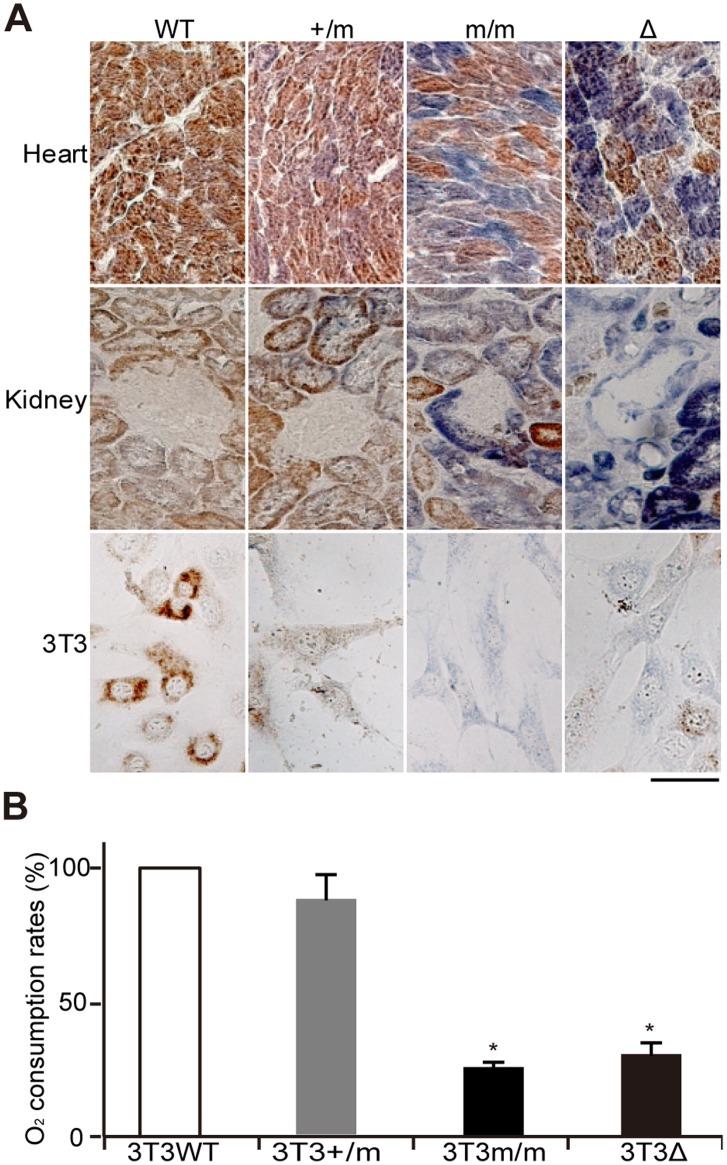
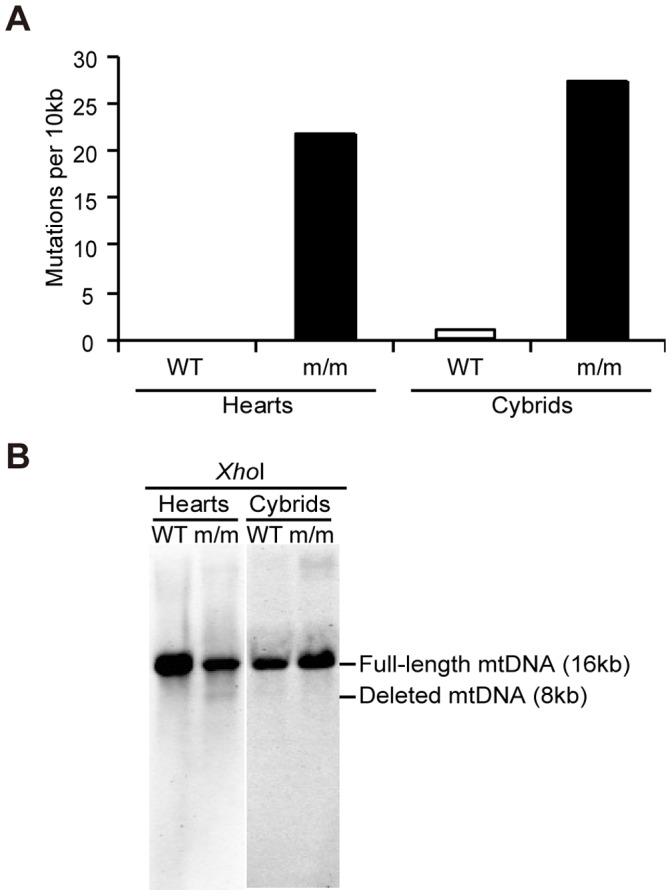
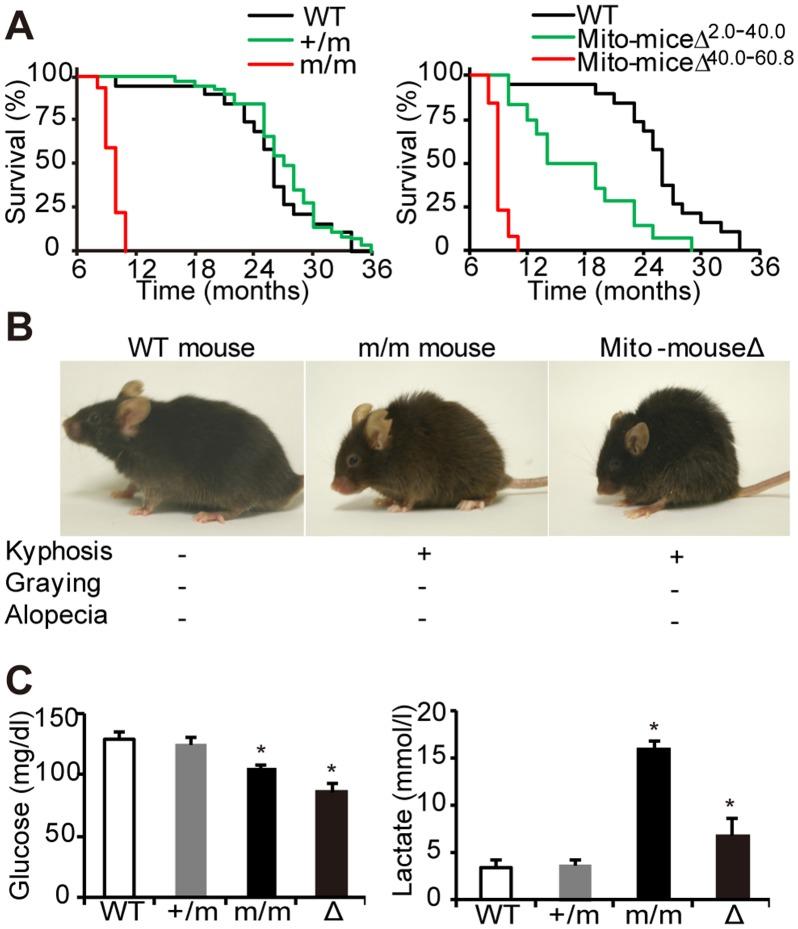
Mitochondrial DNA (mtDNA) mutator mice are proposed to express premature aging phenotypes including kyphosis and hair loss (alopecia) due to their carrying a nuclear-encoded mtDNA polymerase with a defective proofreading function, which causes accelerated accumulation of random mutations in mtDNA, resulting in expression of respiration defects. On the contrary, transmitochondrial mito-miceΔ carrying mtDNA with a large-scale deletion mutation (ΔmtDNA) also express respiration defects, but not express premature aging phenotypes. Here, we resolved this discrepancy by generating mtDNA mutator mice sharing the same C57BL/6J (B6J) nuclear background with that of mito-miceΔ. Expression patterns of premature aging phenotypes are very close, when we compared between homozygous mtDNA mutator mice carrying a B6J nuclear background and selected mito-miceΔ only carrying predominant amounts of ΔmtDNA, in their expression of significant respiration defects, kyphosis, and a short lifespan, but not the alopecia. Therefore, the apparent discrepancy in the presence and absence of premature aging phenotypes in mtDNA mutator mice and mito-miceΔ, respectively, is partly the result of differences in the nuclear background of mtDNA mutator mice and of the broad range of ΔmtDNA proportions of mito-miceΔ used in previous studies. We also provided direct evidence that mtDNA abnormalities in homozygous mtDNA mutator mice are responsible for respiration defects by demonstrating the co-transfer of mtDNA and respiration defects from mtDNA mutator mice into mtDNA-less (ρ(0)) mouse cells. Moreover, heterozygous mtDNA mutator mice had a normal lifespan, but frequently developed B-cell lymphoma, suggesting that the mtDNA abnormalities in heterozygous mutator mice are not sufficient to induce a short lifespan and aging phenotypes, but are able to contribute to the B-cell lymphoma development during their prolonged lifespan.
线粒体 DNA(mtDNA)突变体小鼠由于携带一种具有缺陷校对功能的核编码 mtDNA 聚合酶,被认为表现出过早衰老表型,包括驼背和脱发(脱发),这导致 mtDNA 中随机突变的加速积累,从而导致呼吸缺陷的表达。相反,携带大片段缺失突变(ΔmtDNA)的线粒体传递 mito-miceΔ 也表现出呼吸缺陷,但不表达过早衰老表型。在这里,我们通过生成具有与 mito-miceΔ 相同的 C57BL/6J(B6J)核背景的 mtDNA 突变体小鼠来解决这一差异。当我们比较携带 B6J 核背景的纯合 mtDNA 突变体小鼠和仅携带主要数量的 ΔmtDNA 的选定 mito-miceΔ 之间的过早衰老表型的表达模式时,它们在显著的呼吸缺陷、驼背和短寿命方面非常接近,但在脱发方面没有。因此,mtDNA 突变体小鼠和 mito-miceΔ 分别存在和不存在过早衰老表型的明显差异部分是由于 mtDNA 突变体小鼠的核背景差异以及先前研究中使用的 mito-miceΔ 的 ΔmtDNA 比例范围广泛造成的。我们还通过证明 mtDNA 突变体小鼠的 mtDNA 异常和呼吸缺陷从 mtDNA 突变体小鼠共同转移到 mtDNA 缺失(ρ(0))小鼠细胞中,提供了 mtDNA 异常导致呼吸缺陷的直接证据。此外,杂合 mtDNA 突变体小鼠具有正常的寿命,但经常发生 B 细胞淋巴瘤,这表明杂合突变体小鼠的 mtDNA 异常不足以诱导短寿命和衰老表型,但能够在其延长的寿命中促进 B 细胞淋巴瘤的发展。



 Zotero 插件