
一种超高通量的、针对秀丽隐杆线虫特定遗传途径的小分子调节剂的全动物筛选方法。
An ultra high-throughput, whole-animal screen for small molecule modulators of a specific genetic pathway in Caenorhabditis elegans.
机构信息
Department of Biology and Genetics Institute, University of Florida, Gainesville, Florida, United States of America.
出版信息
PLoS One. 2013 Apr 29;8(4):e62166. doi: 10.1371/journal.pone.0062166. Print 2013.
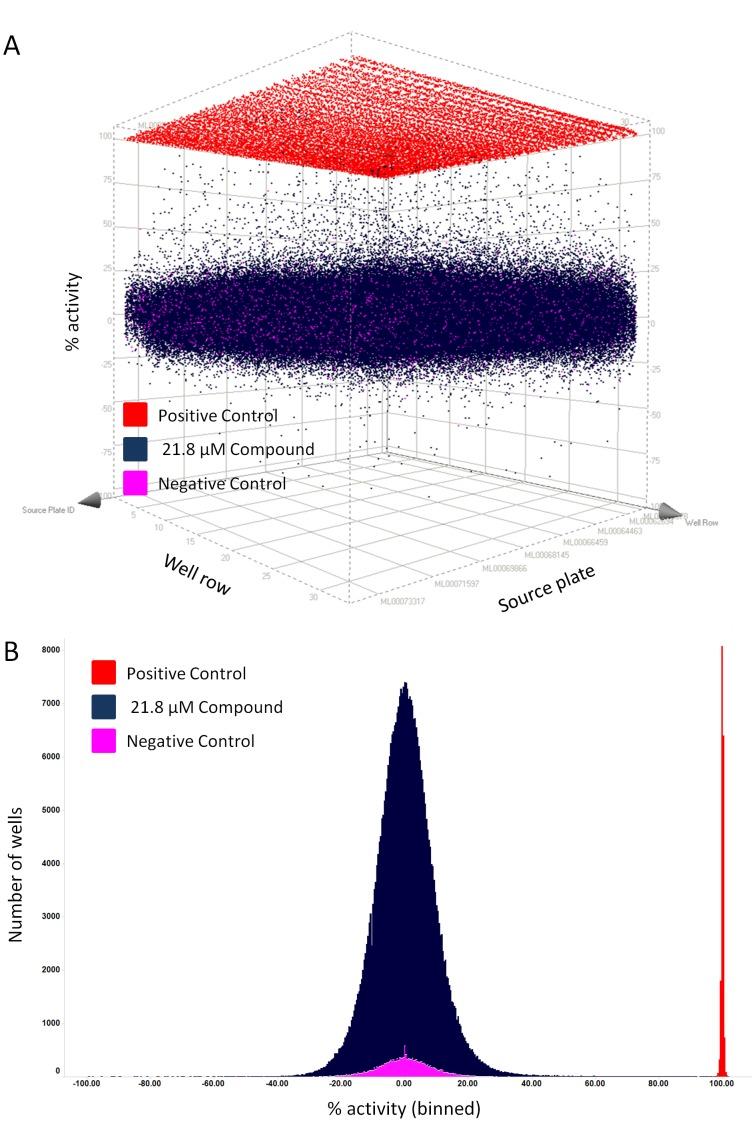
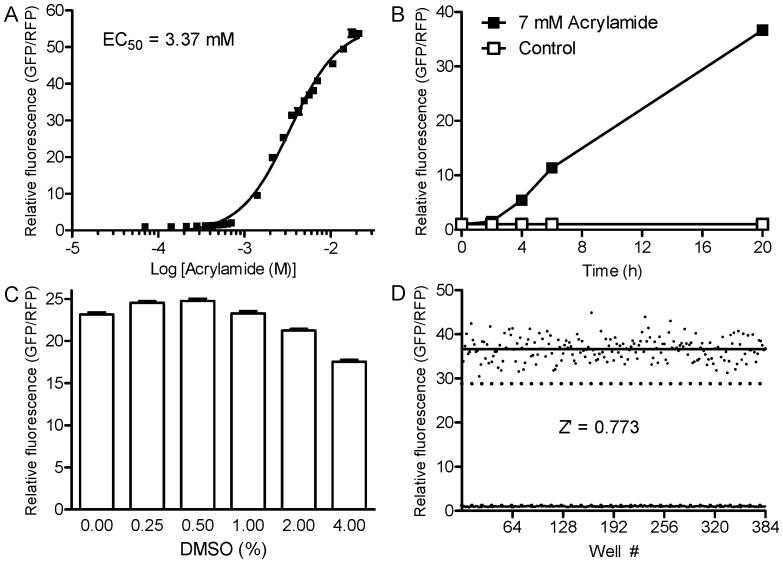
High-throughput screening (HTS) is a powerful approach to drug discovery, but many lead compounds are found to be unsuitable for use in vivo after initial screening. Screening in small animals like C. elegans can help avoid these problems, but this system has been limited to screens with low-throughput or no specific molecular target. We report the first in vivo 1536-well plate assay for a specific genetic pathway in C. elegans. Our assay measures induction of a gene regulated by SKN-1, a master regulator of detoxification genes. SKN-1 inhibitors will be used to study and potentially reverse multidrug resistance in parasitic nematodes. Screens of two small commercial libraries and the full Molecular Libraries Small Molecule Repository (MLSMR) of ∼364,000 compounds validate our platform for ultra HTS. Our platform overcomes current limitations of many whole-animal screens and can be widely adopted for other inducible genetic pathways in nematodes and humans.
高通量筛选 (HTS) 是一种强大的药物发现方法,但许多先导化合物在初步筛选后被发现不适合体内使用。在秀丽隐杆线虫等小型动物中进行筛选可以帮助避免这些问题,但该系统一直受到低通量或没有特定分子靶标的筛选的限制。我们报告了秀丽隐杆线虫中特定遗传途径的第一个体内 1536 孔板测定法。我们的测定法测量了由 SKN-1 调节的基因的诱导,SKN-1 是解毒基因的主要调节剂。SKN-1 抑制剂将用于研究和潜在逆转寄生线虫的多药耐药性。对两个小型商业文库和约 364,000 种化合物的完整分子文库小分子库 (MLSMR) 的筛选验证了我们用于超高通量筛选的平台。我们的平台克服了许多全动物筛选的当前限制,并可广泛应用于线虫和人类中的其他诱导遗传途径。
 Zotero 插件