
基于芝麻完整叶绿体基因组的研究进展
Insights from the complete chloroplast genome into the evolution of Sesamum indicum L.
机构信息
Henan Sesame Research Center, Henan Academy of Agricultural Sciences, Zhengzhou, People's Republic of China.
出版信息
PLoS One. 2013 Nov 26;8(11):e80508. doi: 10.1371/journal.pone.0080508. eCollection 2013.
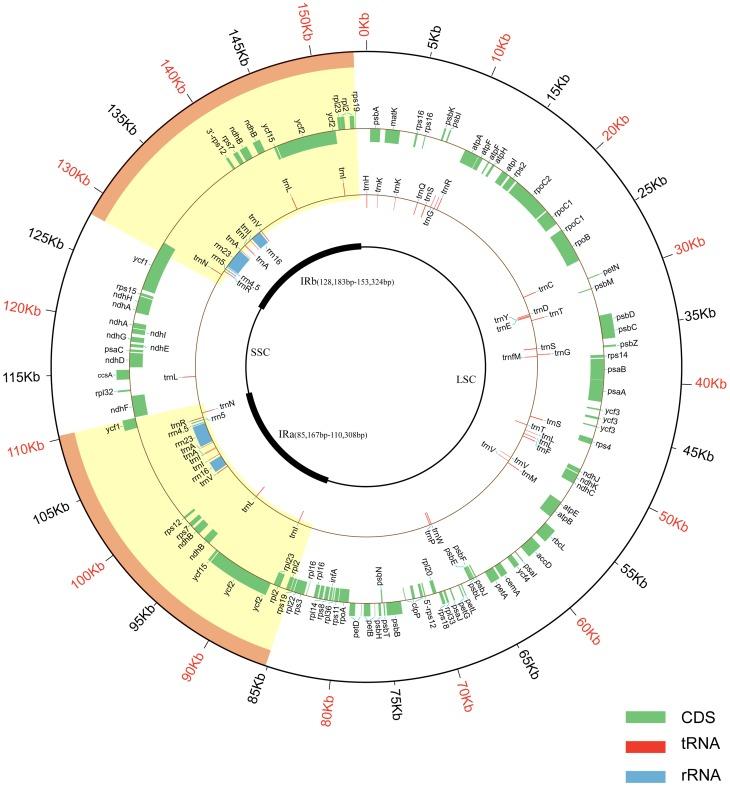
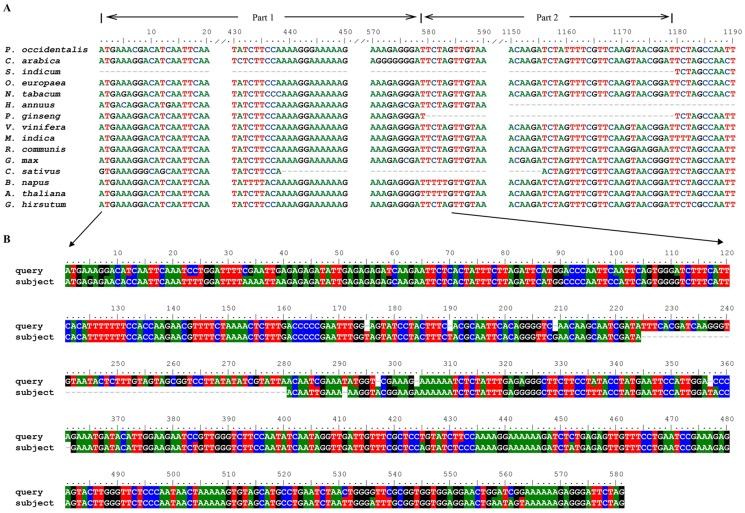
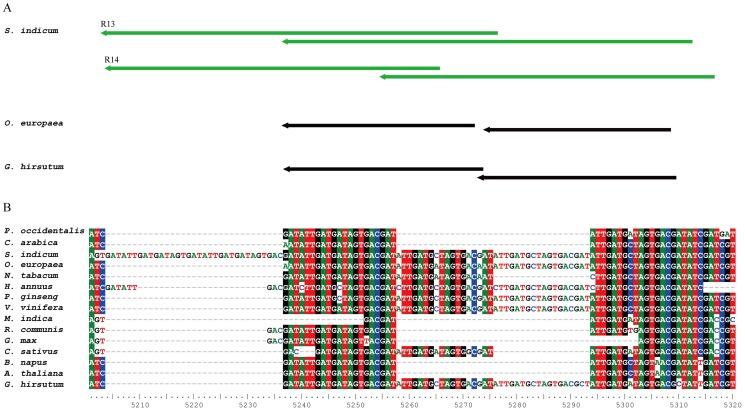
Sesame (Sesamum indicum L.) is one of the oldest oilseed crops. In order to investigate the evolutionary characters according to the Sesame Genome Project, apart from sequencing its nuclear genome, we sequenced the complete chloroplast genome of S. indicum cv. Yuzhi 11 (white seeded) using Illumina and 454 sequencing. Comparisons of chloroplast genomes between S. indicum and the 18 other higher plants were then analyzed. The chloroplast genome of cv. Yuzhi 11 contains 153,338 bp and a total of 114 unique genes (KC569603). The number of chloroplast genes in sesame is the same as that in Nicotiana tabacum, Vitis vinifera and Platanus occidentalis. The variation in the length of the large single-copy (LSC) regions and inverted repeats (IR) in sesame compared to 18 other higher plant species was the main contributor to size variation in the cp genome in these species. The 77 functional chloroplast genes, except for ycf1 and ycf2, were highly conserved. The deletion of the cp ycf1 gene sequence in cp genomes may be due either to its transfer to the nuclear genome, as has occurred in sesame, or direct deletion, as has occurred in Panax ginseng and Cucumis sativus. The sesame ycf2 gene is only 5,721 bp in length and has lost about 1,179 bp. Nucleotides 1-585 of ycf2 when queried in BLAST had hits in the sesame draft genome. Five repeats (R10, R12, R13, R14 and R17) were unique to the sesame chloroplast genome. We also found that IR contraction/expansion in the cp genome alters its rate of evolution. Chloroplast genes and repeats display the signature of convergent evolution in sesame and other species. These findings provide a foundation for further investigation of cp genome evolution in Sesamum and other higher plants.
芝麻(Sesamum indicum L.)是最古老的油料作物之一。为了根据芝麻基因组计划研究其进化特征,除了对其核基因组进行测序外,我们还使用 Illumina 和 454 测序对芝麻品种豫芝 11(白籽)的完整叶绿体基因组进行了测序。然后对豫芝 11 叶绿体基因组与其他 18 种高等植物之间的叶绿体基因组进行了比较。豫芝 11 品种的叶绿体基因组包含 153338bp,共包含 114 个独特的基因(KC569603)。芝麻的叶绿体基因数量与烟草、葡萄和西方悬铃木相同。与其他 18 种高等植物相比,芝麻叶绿体基因组中大单拷贝(LSC)区域和反向重复(IR)的长度变化是导致这些物种 cp 基因组大小变化的主要原因。除了 ycf1 和 ycf2 之外,77 个功能叶绿体基因高度保守。cp 基因组中 cp ycf1 基因序列的缺失可能是由于其转移到核基因组中,如芝麻中发生的那样,或者是直接缺失,如在人参和黄瓜中发生的那样。芝麻 ycf2 基因的长度仅为 5721bp,已丢失约 1179bp。在 BLAST 中查询 ycf2 的核苷酸 1-585 时,在芝麻草案基因组中找到了匹配物。5 个重复(R10、R12、R13、R14 和 R17)是芝麻叶绿体基因组所特有的。我们还发现 cp 基因组中 IR 的收缩/扩张改变了其进化速度。叶绿体基因和重复在芝麻和其他物种中表现出趋同进化的特征。这些发现为进一步研究芝麻和其他高等植物 cp 基因组的进化提供了基础。

 Zotero 插件