
抑制伸长因子-2 激酶增强替莫唑胺对神经胶质瘤的抗肿瘤活性。
Inhibition of elongation factor-2 kinase augments the antitumor activity of Temozolomide against glioma.
机构信息
Department of Pharmacology, College of Pharmaceutical Sciences, Cyrus Tang Hematology Center, Affiliated Changshu Hospital, Soochow University, Suzhou, Jiangsu, China.
出版信息
PLoS One. 2013 Nov 26;8(11):e81345. doi: 10.1371/journal.pone.0081345. eCollection 2013.
BACKGROUND
Glioblastoma multiforme (GBM), the most common form of brain cancer with an average survival of less than 12 months, is a highly aggressive and fatal disease characterized by survival of glioma cells following initial treatment, invasion through the brain parenchyma and destruction of normal brain tissues, and ultimately resistance to current treatments. Temozolomide (TMZ) is commonly used chemotherapy for treatment of primary and recurrent high-grade gliomas. Nevertheless, the therapeutic outcome of TMZ is often unsatisfactory. In this study, we sought to determine whether eEF-2 kinase affected the sensitivity of glioma cells to treatment with TMZ.
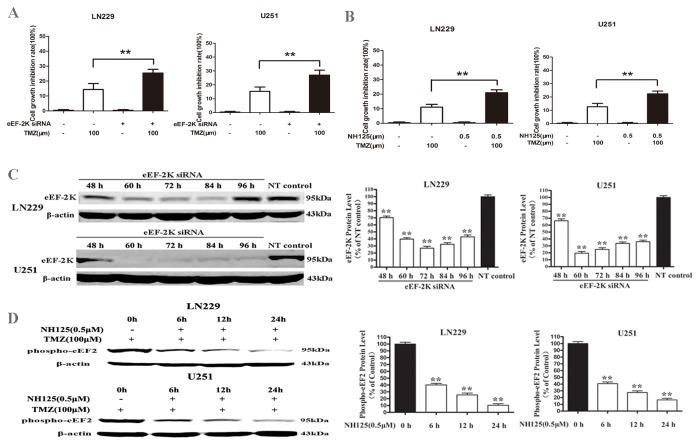
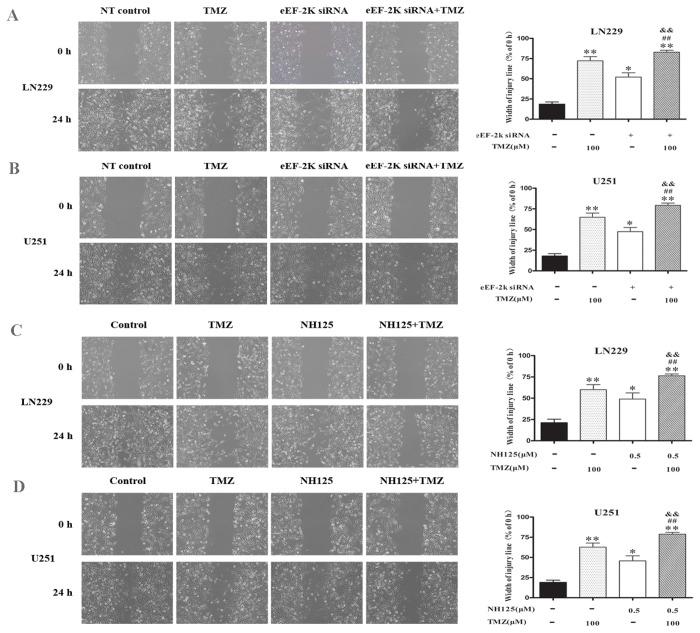
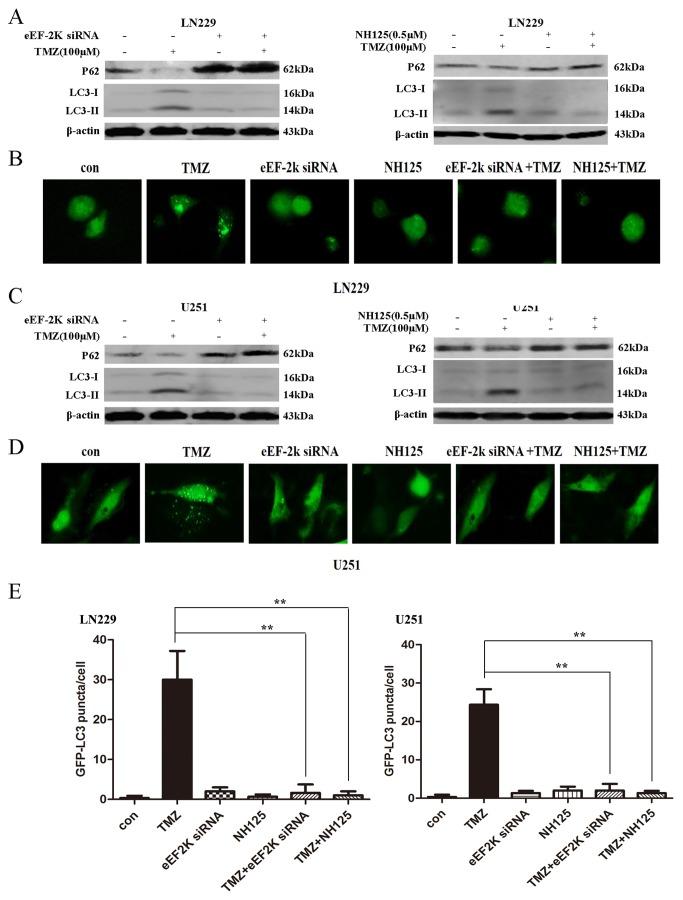
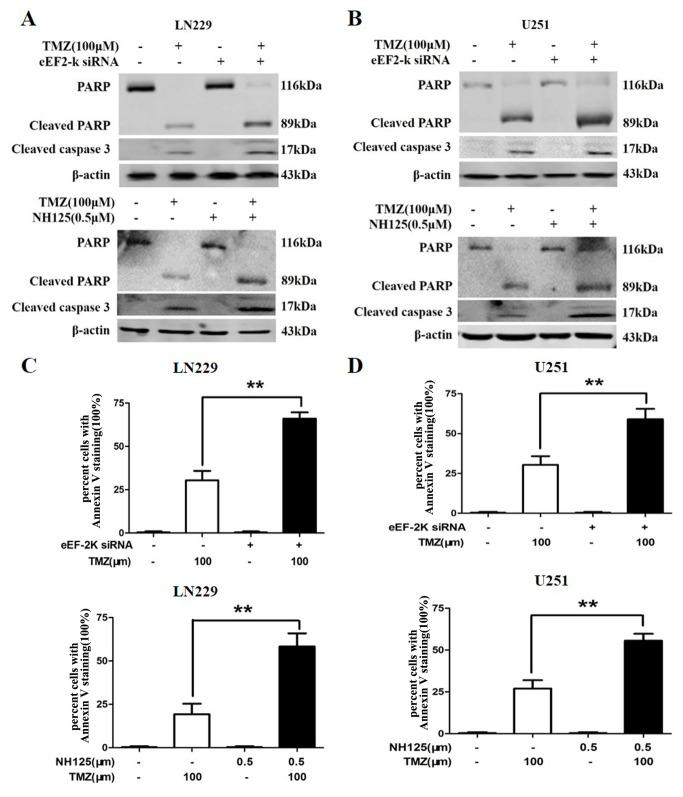
METHODOLOGY/PRINCIPAL FINDINGS: Using RNA interference approach, a small molecule inhibitor of eEF-2 kinase, and in vitro and in vivo glioma models, we observed that inhibition of eEF-2 kinase could enhance sensitivity of glioma cells to TMZ, and that this sensitizing effect was associated with blockade of autophagy and augmentation of apoptosis caused by TMZ.
CONCLUSIONS/SIGNIFICANCE: These findings demonstrated that targeting eEF-2 kinase can enhance the anti-glioma activity of TMZ, and inhibitors of this kinase may be exploited as chemo-sensitizers for TMZ in treatment of malignant glioma.
背景
多形性胶质母细胞瘤(GBM)是最常见的脑癌形式,平均存活期不到 12 个月,是一种高度侵袭性和致命性疾病,其特征是初始治疗后神经胶质瘤细胞存活、穿过脑实质侵袭和破坏正常脑组织,最终对现有治疗产生耐药性。替莫唑胺(TMZ)是常用的治疗原发性和复发性高级别神经胶质瘤的化疗药物。然而,TMZ 的治疗效果往往不尽如人意。在这项研究中,我们试图确定真核起始因子 2 激酶(eEF-2 kinase)是否会影响神经胶质瘤细胞对 TMZ 治疗的敏感性。
方法/主要发现:我们使用 RNA 干扰方法、eEF-2 激酶小分子抑制剂以及体外和体内神经胶质瘤模型,观察到抑制 eEF-2 激酶可以增强神经胶质瘤细胞对 TMZ 的敏感性,这种增敏作用与 TMZ 诱导的自噬阻断和凋亡增强有关。
结论/意义:这些发现表明,靶向 eEF-2 激酶可以增强 TMZ 的抗神经胶质瘤活性,该激酶的抑制剂可能被用作 TMZ 治疗恶性神经胶质瘤的化疗增敏剂。


 Zotero 插件