
流行的耐甲氧西林金黄色葡萄球菌 USA300 株的出现伴随着精氨酸分解移动元件的水平转移和 speG 介导的适应皮肤生存的能力。
Emergence of the epidemic methicillin-resistant Staphylococcus aureus strain USA300 coincides with horizontal transfer of the arginine catabolic mobile element and speG-mediated adaptations for survival on skin.
机构信息
Division of Pediatric Infectious Diseases, Department of Pediatrics, Columbia University, College of Physicians and Surgeons, New York, New York, USA.
出版信息
mBio. 2013 Dec 17;4(6):e00889-13. doi: 10.1128/mBio.00889-13.
UNLABELLED
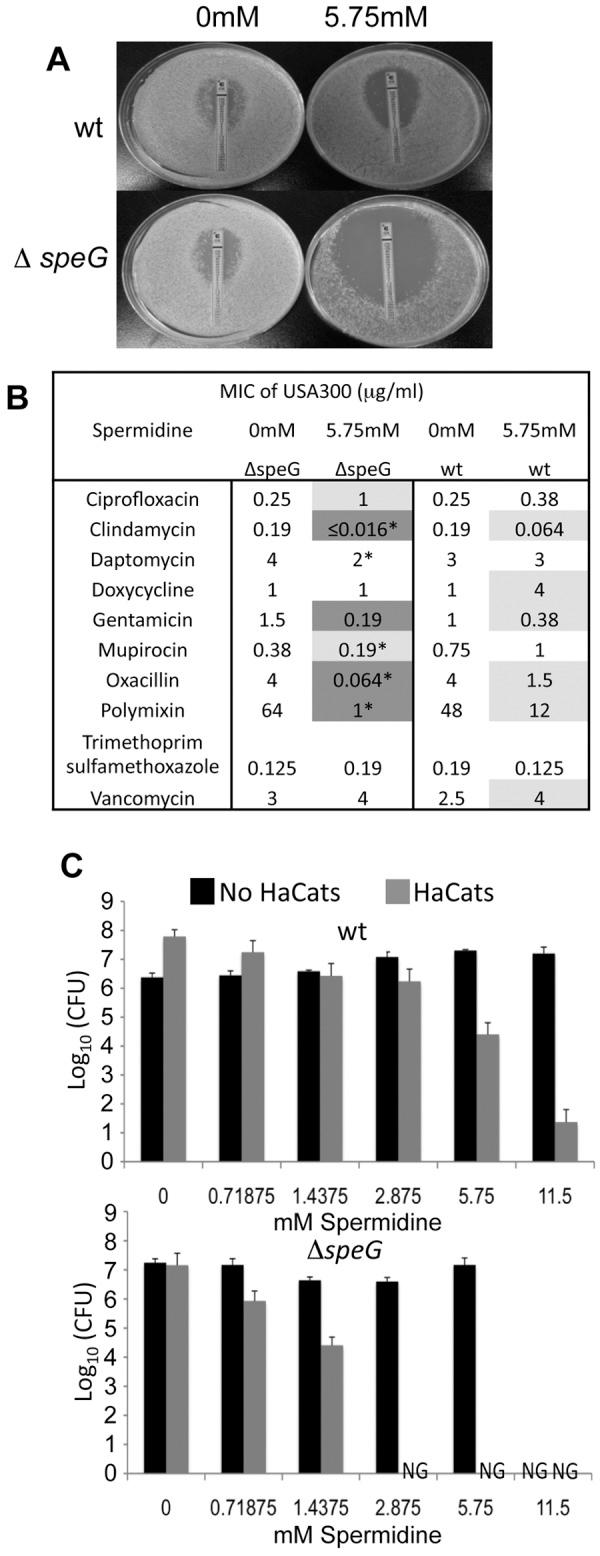
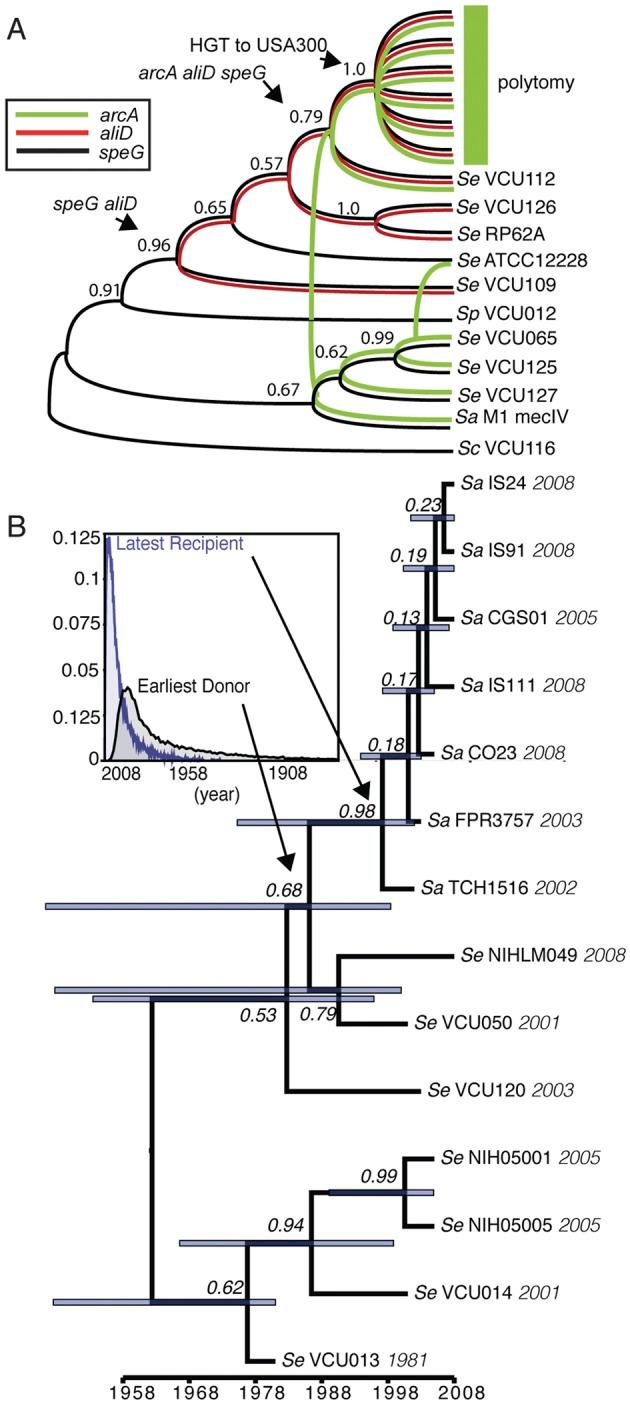
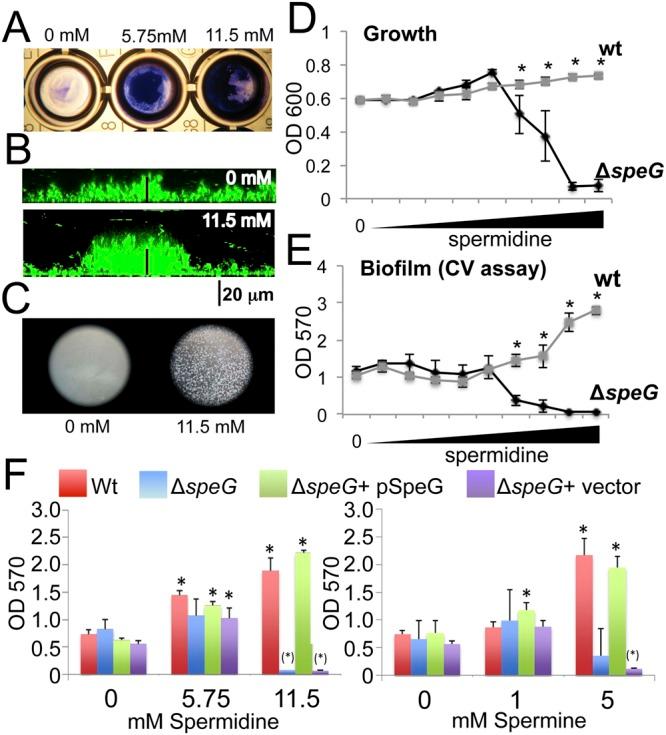
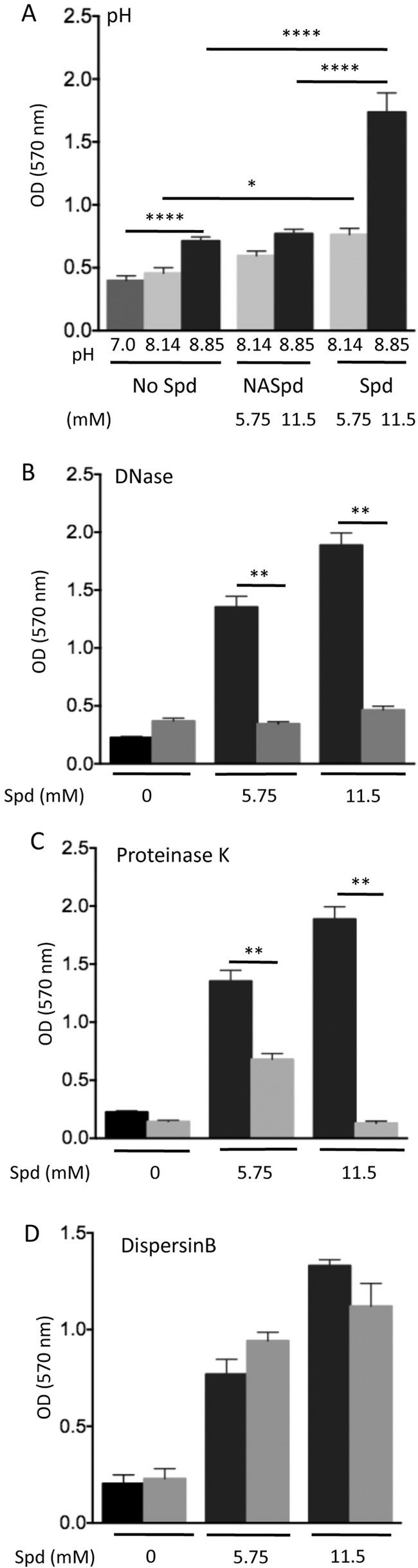
The arginine catabolic mobile element (ACME) is the largest genomic region distinguishing epidemic USA300 strains of methicillin-resistant Staphylococcus aureus (MRSA) from other S. aureus strains. However, the functional relevance of ACME to infection and disease has remained unclear. Using phylogenetic analysis, we have shown that the modular segments of ACME were assembled into a single genetic locus in Staphylococcus epidermidis and then horizontally transferred to the common ancestor of USA300 strains in an extremely recent event. Acquisition of one ACME gene, speG, allowed USA300 strains to withstand levels of polyamines (e.g., spermidine) produced in skin that are toxic to other closely related S. aureus strains. speG-mediated polyamine tolerance also enhanced biofilm formation, adherence to fibrinogen/fibronectin, and resistance to antibiotic and keratinocyte-mediated killing. We suggest that these properties gave USA300 a major selective advantage during skin infection and colonization, contributing to the extraordinary evolutionary success of this clone.
IMPORTANCE
Over the past 15 years, methicillin-resistant Staphylococcus aureus (MRSA) has become a major public health problem. It is likely that adaptations in specific MRSA lineages (e.g., USA300) drove the spread of MRSA across the United States and allowed it to replace other, less-virulent S. aureus strains. We suggest that one major factor in the evolutionary success of MRSA may have been the acquisition of a gene (speG) that allows S. aureus to evade the toxicity of polyamines (e.g., spermidine and spermine) that are produced in human skin. Polyamine tolerance likely gave MRSA multiple fitness advantages, including the formation of more-robust biofilms, increased adherence to host tissues, and resistance to antibiotics and killing by human skin cells.
未加标签
精氨酸分解移动元件(ACME)是区分耐甲氧西林金黄色葡萄球菌(MRSA)流行的 USA300 株与其他金黄色葡萄球菌菌株的最大基因组区域。然而,ACME 与感染和疾病的功能相关性仍不清楚。通过系统发育分析,我们表明 ACME 的模块化片段在表皮葡萄球菌中组装成单个遗传基因座,然后在一个极其近期的事件中水平转移到 USA300 株的共同祖先。获得一个 ACME 基因 speG 使 USA300 株能够耐受皮肤中产生的多胺(例如亚精胺)的水平,而其他密切相关的金黄色葡萄球菌菌株则对其有毒。speG 介导的多胺耐受也增强了生物膜形成、对纤维蛋白原/纤维连接蛋白的黏附以及对抗生素和角质形成细胞介导的杀伤的抗性。我们认为,这些特性使 USA300 在皮肤感染和定植期间具有主要的选择优势,这有助于该克隆的非凡进化成功。
重要性
在过去的 15 年中,耐甲氧西林金黄色葡萄球菌(MRSA)已成为一个主要的公共卫生问题。MRSA 特定谱系(例如 USA300)的适应可能推动了 MRSA 在美国的传播,并使其能够取代其他毒力较弱的金黄色葡萄球菌菌株。我们认为,MRSA 进化成功的一个主要因素可能是获得了一个基因(speG),该基因使金黄色葡萄球菌能够逃避多胺(例如亚精胺和精胺)的毒性,这些多胺在人体皮肤中产生。多胺耐受可能使 MRSA 具有多种适应性优势,包括形成更坚固的生物膜、增加对宿主组织的黏附以及对抗生素和人体皮肤细胞杀伤的抗性。


 Zotero 插件