
RNA-Seq 和微阵列在激活 T 细胞转录组谱分析中的比较。
Comparison of RNA-Seq and microarray in transcriptome profiling of activated T cells.
机构信息
Systems Pharmacology and Biomarkers, Janssen Research & Development, LLC, San Diego, California, United States of America.
Immunology, Janssen Research & Development, LLC, San Diego, California, United States of America.
出版信息
PLoS One. 2014 Jan 16;9(1):e78644. doi: 10.1371/journal.pone.0078644. eCollection 2014.
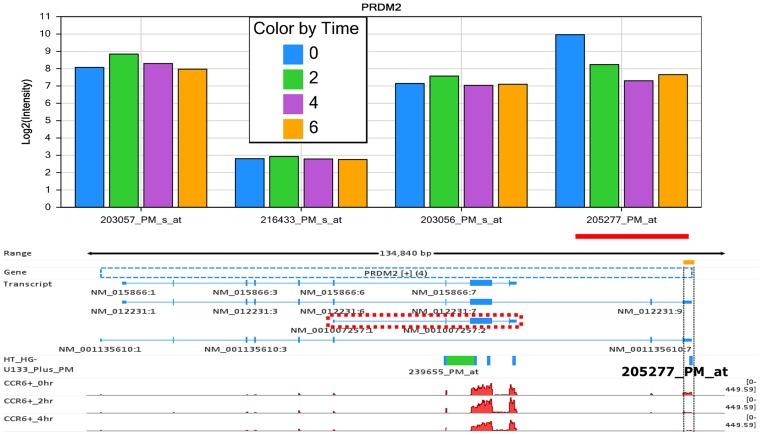
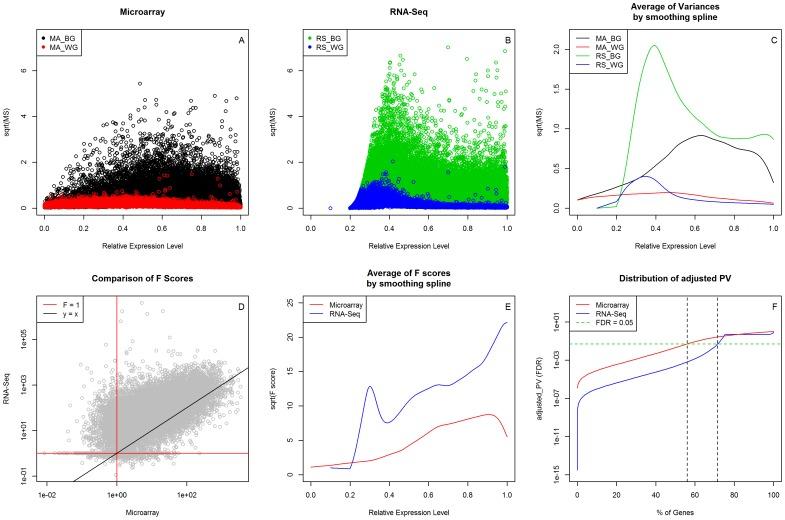
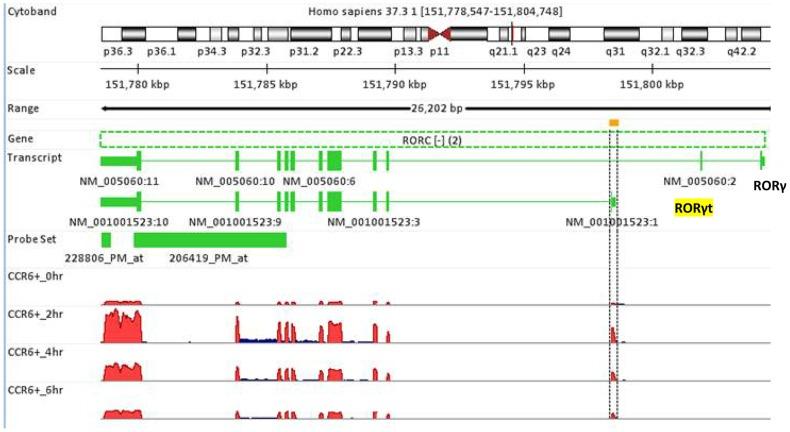
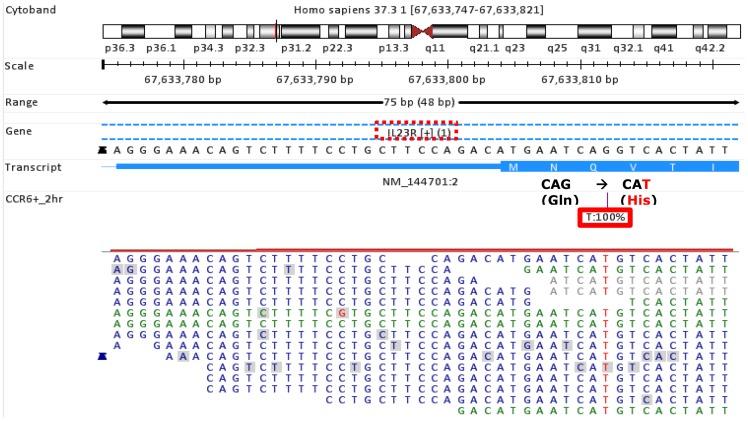
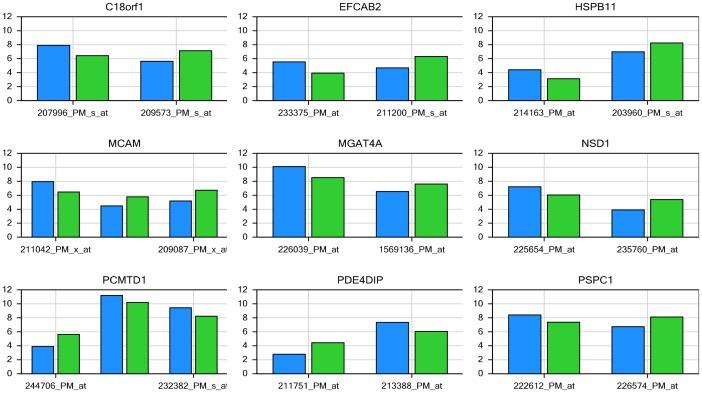
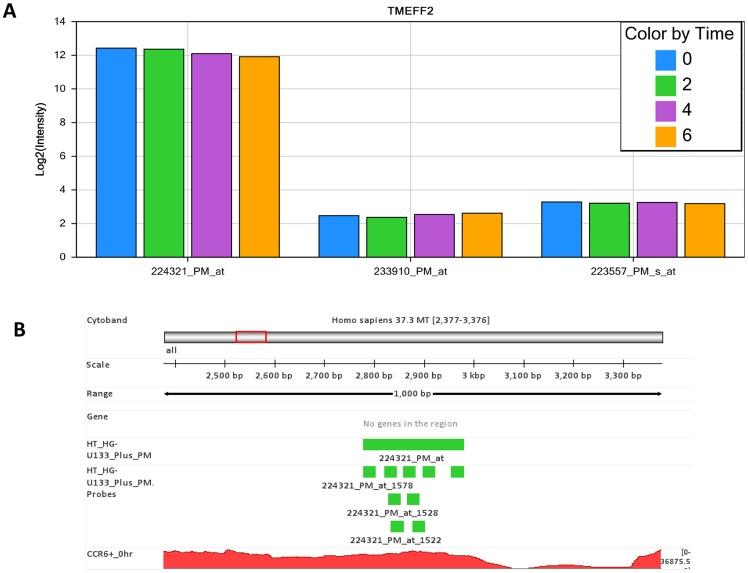
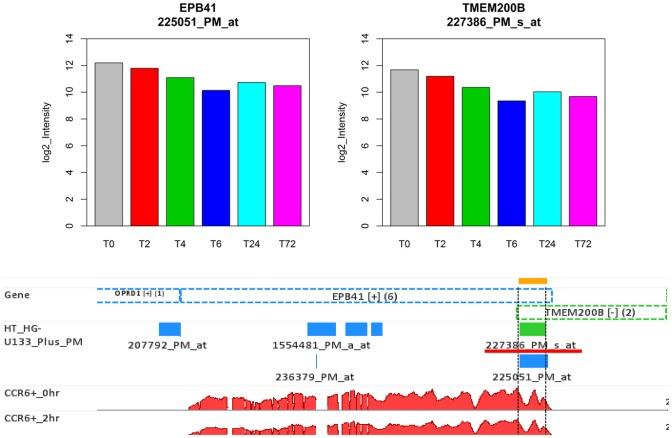
To demonstrate the benefits of RNA-Seq over microarray in transcriptome profiling, both RNA-Seq and microarray analyses were performed on RNA samples from a human T cell activation experiment. In contrast to other reports, our analyses focused on the difference, rather than similarity, between RNA-Seq and microarray technologies in transcriptome profiling. A comparison of data sets derived from RNA-Seq and Affymetrix platforms using the same set of samples showed a high correlation between gene expression profiles generated by the two platforms. However, it also demonstrated that RNA-Seq was superior in detecting low abundance transcripts, differentiating biologically critical isoforms, and allowing the identification of genetic variants. RNA-Seq also demonstrated a broader dynamic range than microarray, which allowed for the detection of more differentially expressed genes with higher fold-change. Analysis of the two datasets also showed the benefit derived from avoidance of technical issues inherent to microarray probe performance such as cross-hybridization, non-specific hybridization and limited detection range of individual probes. Because RNA-Seq does not rely on a pre-designed complement sequence detection probe, it is devoid of issues associated with probe redundancy and annotation, which simplified interpretation of the data. Despite the superior benefits of RNA-Seq, microarrays are still the more common choice of researchers when conducting transcriptional profiling experiments. This is likely because RNA-Seq sequencing technology is new to most researchers, more expensive than microarray, data storage is more challenging and analysis is more complex. We expect that once these barriers are overcome, the RNA-Seq platform will become the predominant tool for transcriptome analysis.
为了展示 RNA-Seq 在转录组分析方面相对于微阵列的优势,我们对人类 T 细胞激活实验中的 RNA 样本进行了 RNA-Seq 和微阵列分析。与其他报告不同,我们的分析重点是 RNA-Seq 和微阵列技术在转录组分析方面的差异,而不是相似性。使用相同的样本集对来自 RNA-Seq 和 Affymetrix 平台的数据进行比较,结果表明两种平台生成的基因表达谱之间具有高度相关性。然而,它也表明 RNA-Seq 在检测低丰度转录本、区分生物学关键亚型以及识别遗传变异方面更具优势。RNA-Seq 还显示出比微阵列更宽的动态范围,允许检测更多具有更高倍数变化的差异表达基因。对这两个数据集的分析还表明,避免了微阵列探针性能固有的技术问题(如交叉杂交、非特异性杂交和单个探针检测范围有限)带来的好处。由于 RNA-Seq 不依赖于预先设计的互补序列检测探针,因此它没有与探针冗余和注释相关的问题,这简化了数据的解释。尽管 RNA-Seq 具有优越的优势,但在进行转录组谱分析实验时,微阵列仍然是研究人员更常见的选择。这可能是因为 RNA-Seq 测序技术对大多数研究人员来说是新的,比微阵列更昂贵,数据存储更具挑战性,分析更复杂。我们预计,一旦克服了这些障碍,RNA-Seq 平台将成为转录组分析的主要工具。





 Zotero 插件