
S100A2是一种由BRCA1/p63共同调控的肿瘤抑制基因,在调节突变型p53稳定性方面发挥作用。
S100A2 is a BRCA1/p63 coregulated tumour suppressor gene with roles in the regulation of mutant p53 stability.
作者信息
Buckley N E, D'Costa Z, Kaminska M, Mullan P B
机构信息
Centre for Cancer Research and Cell Biology, Queen's University Belfast, Belfast, UK.
出版信息
Cell Death Dis. 2014 Feb 20;5(2):e1070. doi: 10.1038/cddis.2014.31.
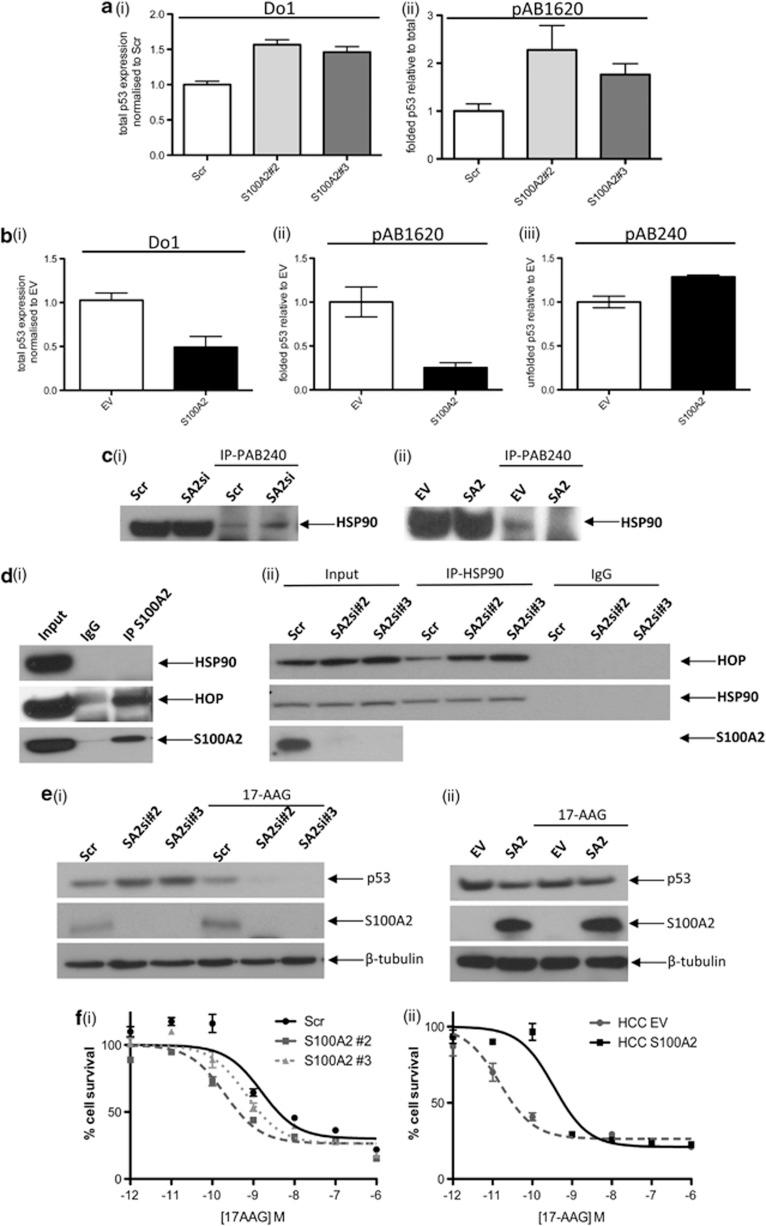
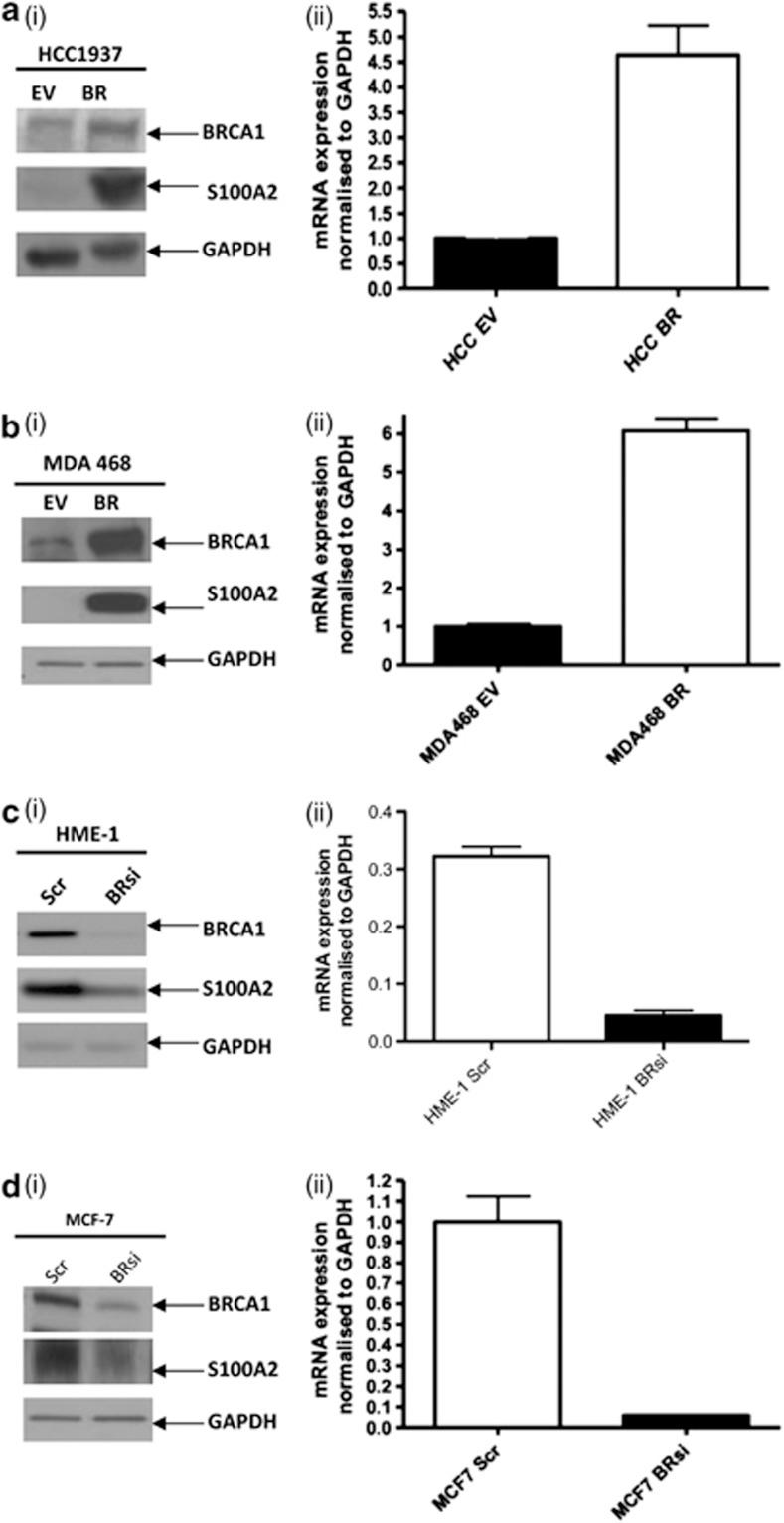
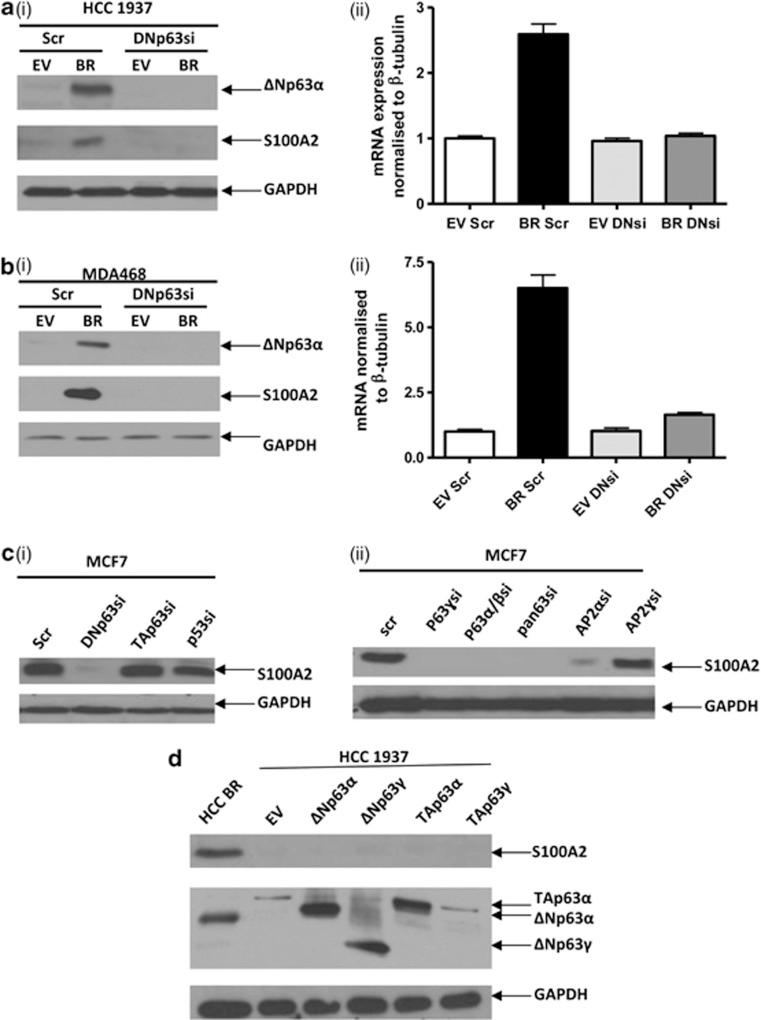
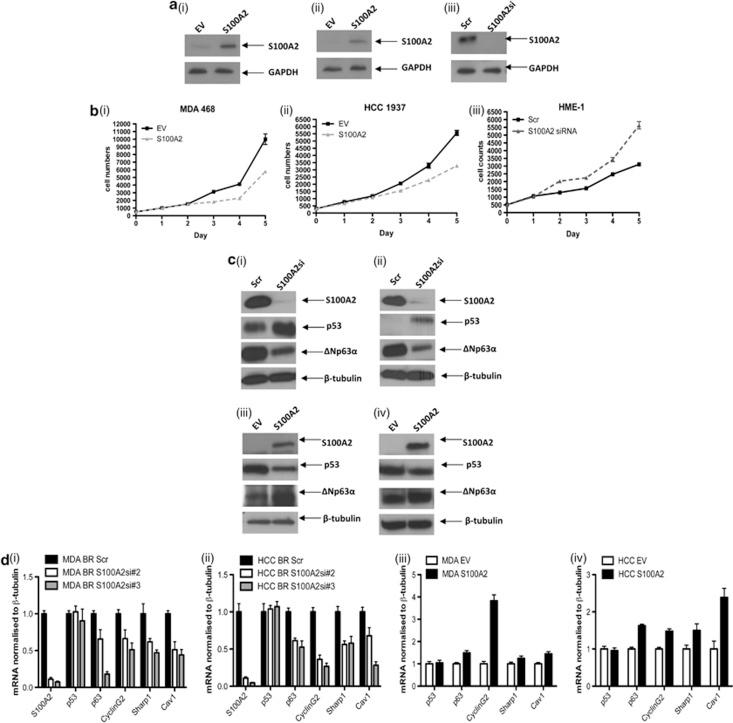
Here, we show for the first time that the familial breast/ovarian cancer susceptibility gene, BRCA1, along with interacting ΔNp63 proteins, transcriptionally upregulate the putative tumour suppressor protein, S100A2. Both BRCA1 and ΔNp63 proteins are required for S100A2 expression. BRCA1 requires ΔNp63 proteins for recruitment to the S100A2 proximal promoter region, while exogenous expression of individual ΔNp63 proteins cannot activate S100A2 transcription in the absence of a functional BRCA1. Consequently, mutation of the ΔNp63/p53 response element within the S100A2 promoter completely abrogates the ability of BRCA1 to upregulate S100A2. S100A2 shows growth control features in a range of cell models. Transient or stable exogenous S100A2 expression inhibits the growth of BRCA1 mutant and basal-like breast cancer cell lines, while short interfering RNA (siRNA) knockdown of S100A2 in non-tumorigenic cells results in enhanced proliferation. S100A2 modulates binding of mutant p53 to HSP90, which is required for efficient folding of mutant p53 proteins, by competing for binding to HSP70/HSP90 organising protein (HOP). HOP is a cochaperone that is required for the efficient transfer of proteins from HSP70 to HSP90. Loss of S100A2 leads to an HSP90-dependent stabilisation of mutant p53 with a concomitant loss of p63. Accordingly, S100A2-deficient cells are more sensitive to the HSP-90 inhibitor, 17-N-allylamino-17-demethoxygeldanamycin, potentially representing a novel therapeutic strategy for S100A2- and BRCA1-deficient cancers. Taken together, these data demonstrate the importance of S100A2 downstream of the BRCA1/ΔNp63 signalling axis in modulating transcriptional responses and enforcing growth control mechanisms through destabilisation of mutant p53.
在此,我们首次表明,家族性乳腺癌/卵巢癌易感基因BRCA1与相互作用的ΔNp63蛋白一起,在转录水平上上调假定的肿瘤抑制蛋白S100A2。S100A2的表达需要BRCA1和ΔNp63蛋白。BRCA1需要ΔNp63蛋白才能募集到S100A2近端启动子区域,而在缺乏功能性BRCA1的情况下,单个ΔNp63蛋白的外源表达无法激活S100A2转录。因此,S100A2启动子内ΔNp63/p53反应元件的突变完全消除了BRCA1上调S100A2的能力。S100A2在一系列细胞模型中显示出生长控制特征。瞬时或稳定的外源S100A2表达可抑制BRCA1突变型和基底样乳腺癌细胞系的生长,而非致瘤性细胞中S100A2的短干扰RNA(siRNA)敲低则导致增殖增强。S100A2通过竞争与HSP70/HSP90组织蛋白(HOP)的结合来调节突变型p53与HSP90的结合,而HSP90是突变型p53蛋白有效折叠所必需的。HOP是一种辅助伴侣蛋白,是蛋白质从HSP70有效转移到HSP90所必需的。S100A2的缺失导致突变型p53的HSP90依赖性稳定,并伴随p63的缺失。因此,S100A2缺陷型细胞对HSP-90抑制剂17-N-烯丙基氨基-17-去甲氧基格尔德霉素更敏感,这可能代表了一种针对S100A2和BRCA1缺陷型癌症的新型治疗策略。综上所述,这些数据证明了BRCA1/ΔNp63信号轴下游的S100A2在调节转录反应和通过使突变型p53不稳定来加强生长控制机制方面的重要性。

 Zotero 插件