
新型半胱氨酸亚磺酸脱羧酶基因敲除小鼠的发育:膳食牛磺酸可降低新生儿死亡率。
Development of a novel cysteine sulfinic Acid decarboxylase knockout mouse: dietary taurine reduces neonatal mortality.
作者信息
Park Eunkyue, Park Seung Yong, Dobkin Carl, Schuller-Levis Georgia
机构信息
Laboratory of Cellular Immunology, Department of Developmental Neurobiology, New York State Institute for Basic Research in Developmental Disabilities, Staten Island, NY 10314, USA.
College of Veterinary Medicine, Konkuk University, Seoul 143-701, Republic of Korea.
出版信息
J Amino Acids. 2014;2014:346809. doi: 10.1155/2014/346809. Epub 2014 Feb 3.
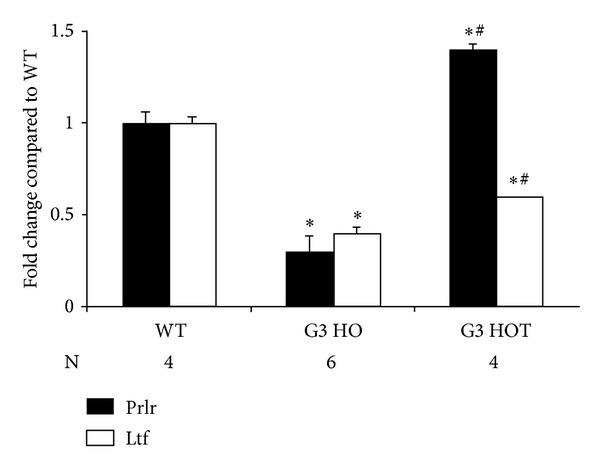
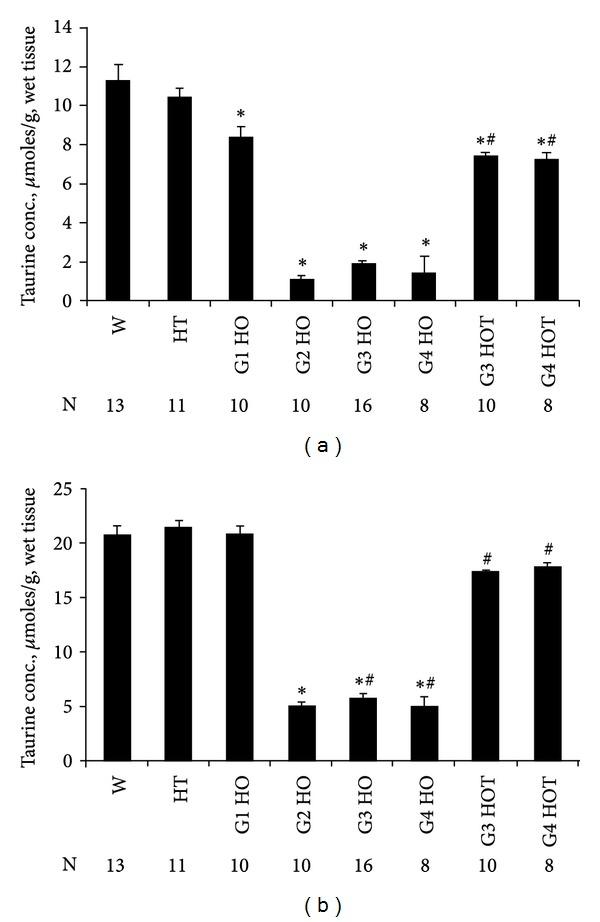
We engineered a CSAD KO mouse to investigate the physiological roles of taurine. The disruption of the CSAD gene was verified by Southern, Northern, and Western blotting. HPLC indicated an 83% decrease of taurine concentration in the plasma of CSAD(-/-). Although CSAD(-/-) generation (G)1 and G2 survived, offspring from G2 CSAD(-/-) had low brain and liver taurine concentrations and most died within 24 hrs of birth. Taurine concentrations in G3 CSAD(-/-) born from G2 CSAD(-/-) treated with taurine in the drinking water were restored and survival rates of G3 CSAD(-/-) increased from 15% to 92%. The mRNA expression of CDO, ADO, and TauT was not different in CSAD(-/-) compared to WT and CSAD mRNA was not expressed in CSAD(-/-). Expression of Gpx 1 and 3 was increased significantly in CSAD(-/-) and restored to normal levels with taurine supplementation. Lactoferrin and the prolactin receptor were significantly decreased in CSAD(-/-). The prolactin receptor was restored with taurine supplementation. These data indicated that CSAD KO is a good model for studying the effects of taurine deficiency and its treatment with taurine supplementation.
我们构建了一种CSAD基因敲除小鼠,以研究牛磺酸的生理作用。通过Southern、Northern和Western印迹法验证了CSAD基因的破坏。高效液相色谱法表明,CSAD(-/-)小鼠血浆中牛磺酸浓度降低了83%。虽然CSAD(-/-)第一代(G)1和G2存活下来,但G2代CSAD(-/-)的后代脑和肝脏中的牛磺酸浓度较低,大多数在出生后24小时内死亡。给饮用水中添加牛磺酸处理的G2代CSAD(-/-)所产G3代CSAD(-/-)的牛磺酸浓度得以恢复,G3代CSAD(-/-)的存活率从15%提高到了92%。与野生型相比,CSAD(-/-)中CDO、ADO和TauT的mRNA表达没有差异,且CSAD(-/-)中未表达CSAD mRNA。CSAD(-/-)中Gpx 1和3的表达显著增加,补充牛磺酸后恢复到正常水平。CSAD(-/-)中乳铁蛋白和催乳素受体显著降低。补充牛磺酸后催乳素受体得以恢复。这些数据表明,CSAD基因敲除是研究牛磺酸缺乏的影响及其补充牛磺酸治疗效果的良好模型。


 Zotero 插件