
SIR-2.1在衰老早期的雄性秀丽隐杆线虫中将代谢稳态与生殖神经肌肉兴奋性整合起来。
SIR-2.1 integrates metabolic homeostasis with the reproductive neuromuscular excitability in early aging male Caenorhabditis elegans.
作者信息
Guo Xiaoyan, García L René
机构信息
Department of Biology, Texas A&M University, College Station, United States.
出版信息
Elife. 2014 Apr 22;3:e01730. doi: 10.7554/eLife.01730.
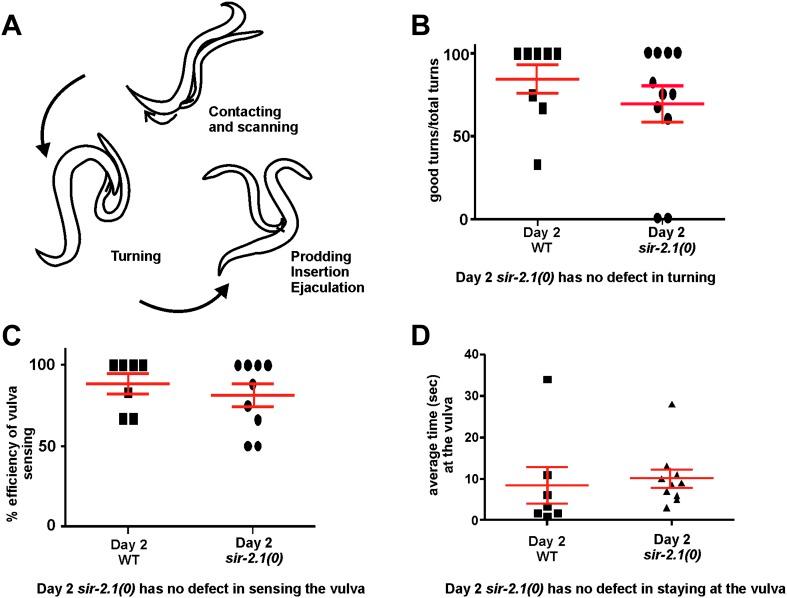
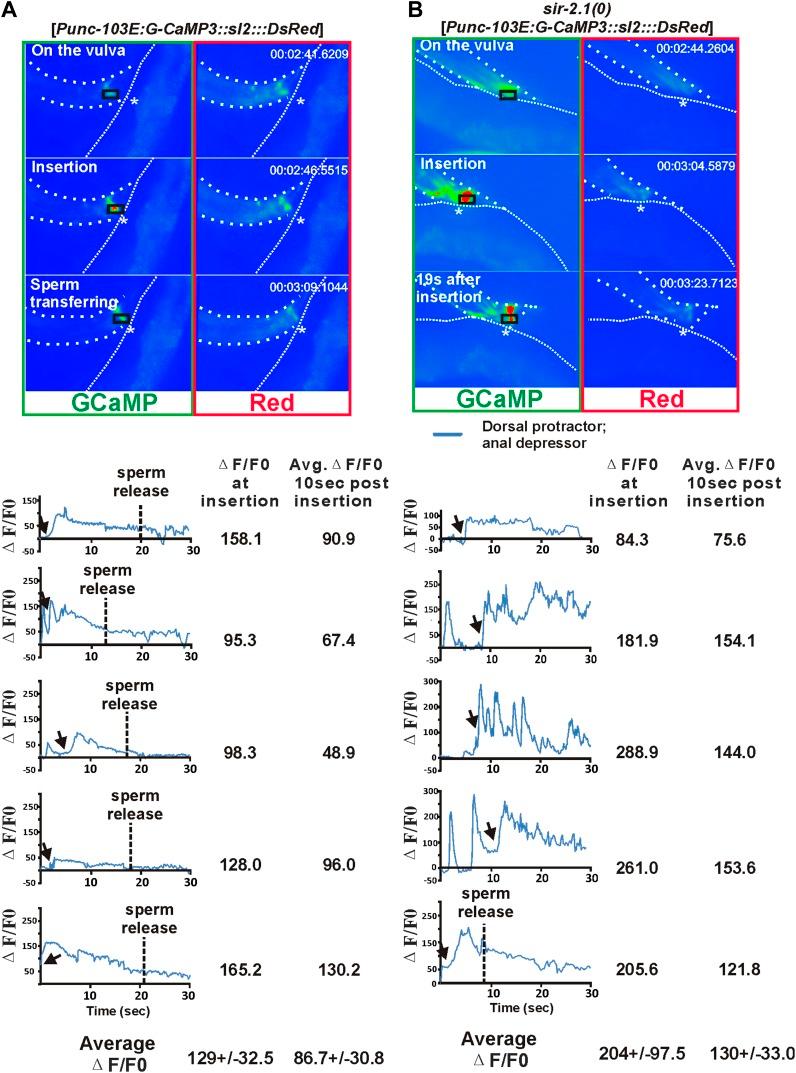
The decline of aging C. elegans male's mating behavior is correlated with the increased excitability of the cholinergic circuitry that executes copulation. In this study, we show that the mating circuits' functional durability depends on the metabolic regulator SIR-2.1, a NAD(+)-dependent histone deacetylase. Aging sir-2.1(0) males display accelerated mating behavior decline due to premature hyperexcitability of cholinergic circuits used for intromission and ejaculation. In sir-2.1(0) males, the hypercontraction of the spicule-associated muscles pinch the vas deferens opening, thus blocking sperm release. The hyperexcitability is aggravated by reactive oxygen species (ROS). Our genetic, pharmacological, and behavioral analyses suggest that in sir-2.1(0) and older wild-type males, enhanced catabolic enzymes expression, coupled with the reduced expression of ROS-scavengers contribute to the behavioral decline. However, as a compensatory response to reduce altered catabolism/ROS production, anabolic enzymes expression levels are also increased, resulting in higher gluconeogenesis and lipid synthesis. DOI: http://dx.doi.org/10.7554/eLife.01730.001.
衰老的秀丽隐杆线虫雄性交配行为的衰退与执行交配的胆碱能神经回路兴奋性增加相关。在本研究中,我们表明交配回路的功能耐久性取决于代谢调节因子SIR-2.1,一种依赖烟酰胺腺嘌呤二核苷酸(NAD(+))的组蛋白脱乙酰酶。衰老的sir-2.1(0)雄性由于用于插入和射精的胆碱能回路过早出现过度兴奋而表现出交配行为加速衰退。在sir-2.1(0)雄性中,与交合刺相关肌肉的过度收缩会挤压输精管开口,从而阻止精子释放。活性氧(ROS)会加剧这种过度兴奋。我们的遗传学、药理学和行为学分析表明,在sir-2.1(0)和较老的野生型雄性中,分解代谢酶表达增强,同时ROS清除剂表达减少,导致了行为衰退。然而,作为对改变的分解代谢/ROS产生的一种补偿反应,合成代谢酶的表达水平也会增加,从而导致更高的糖异生和脂质合成。DOI: http://dx.doi.org/10.7554/eLife.01730.001 。


 Zotero 插件