
p16INK4A 和 p14ARF 基因启动子高甲基化作为口腔和口咽鳞状细胞癌的预后生物标志物:综述。
p16INK4A and p14ARF gene promoter hypermethylation as prognostic biomarker in oral and oropharyngeal squamous cell carcinoma: a review.
机构信息
Department of Pathology, University Medical Centre Utrecht, P.O. Box 85500, 3508 GA Utrecht, The Netherlands.
Department of Radiation Oncology, University Medical Centre Utrecht, P.O. Box 85500, 3508 GA Utrecht, The Netherlands.
出版信息
Dis Markers. 2014;2014:260549. doi: 10.1155/2014/260549. Epub 2014 Apr 7.
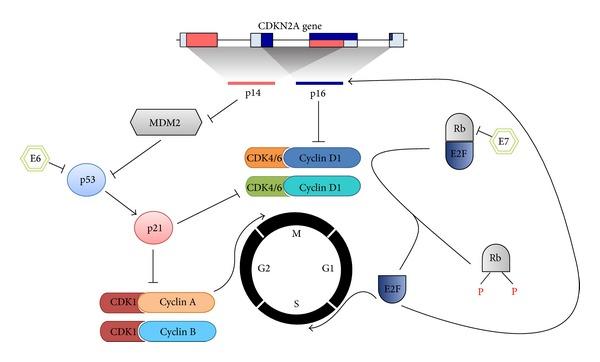
Head and neck squamous cell carcinoma is a heterogeneous group of tumors with each subtype having a distinct histopathological and molecular profile. Most tumors share, to some extent, the same multistep carcinogenic pathways, which include a wide variety of genetic and epigenetic changes. Epigenetic alterations represent all changes in gene expression patterns that do not alter the actual DNA sequence. Recently, it has become clear that silencing of cancer related genes is not exclusively a result of genetic changes such as mutations or deletions, but it can also be regulated on epigenetic level, mostly by means of gene promoter hypermethylation. Results from recent studies have demonstrated that DNA methylation patterns contain tumor-type-specific signatures, which could serve as biomarkers for clinical outcome in the near future. The topic of this review discusses gene promoter hypermethylation in oral and oropharyngeal squamous cell carcinoma (OSCC). The main objective is to analyse the available data on gene promoter hypermethylation of the cell cycle regulatory proteins p16(INK4A) and p14(ARF) and to investigate their clinical significance as novel biomarkers in OSCC. Hypermethylation of both genes seems to possess predictive properties for several clinicopathological outcomes. We conclude that the methylation status of p16(INK4A) is definitely a promising candidate biomarker for predicting clinical outcome of OSCC, especially for recurrence-free survival.
头颈部鳞状细胞癌是一组异质性肿瘤,每种亚型都具有独特的组织病理学和分子特征。大多数肿瘤在某种程度上都具有相同的多步骤致癌途径,其中包括多种遗传和表观遗传变化。表观遗传改变是指所有不改变实际 DNA 序列的基因表达模式变化。最近,人们已经清楚地认识到,癌症相关基因的沉默不仅是基因突变或缺失等遗传变化的结果,还可以在表观遗传水平上进行调控,主要通过基因启动子超甲基化来实现。最近的研究结果表明,DNA 甲基化模式包含肿瘤类型特异性特征,这些特征可能在不久的将来成为临床结果的生物标志物。本文综述讨论了口腔和口咽鳞状细胞癌(OSCC)中的基因启动子超甲基化。主要目的是分析细胞周期调控蛋白 p16(INK4A)和 p14(ARF)的细胞周期调控蛋白启动子超甲基化的现有数据,并研究它们作为 OSCC 新型生物标志物的临床意义。这两个基因的异常甲基化似乎具有多种临床病理结局的预测特性。我们得出结论,p16(INK4A)的甲基化状态绝对是预测 OSCC 临床结局的有前途的候选生物标志物,特别是对无复发生存率。
 Zotero 插件