
重度急性营养不良治疗后出院后生长及死亡率的随访研究(FuSAM研究):一项前瞻性队列研究
Follow-up of post-discharge growth and mortality after treatment for severe acute malnutrition (FuSAM study): a prospective cohort study.
作者信息
Kerac Marko, Bunn James, Chagaluka George, Bahwere Paluku, Tomkins Andrew, Collins Steve, Seal Andrew
机构信息
Valid International, Oxford, United Kingdom; Department of Paediatrics and Child Health, College of Medicine, Blantyre, Malawi; Institute for Global Health, University College London, London, United Kingdom; Leonard Cheshire Disability and Inclusive Development Centre, University College London, London, United Kingdom.
Department of Paediatrics and Child Health, College of Medicine, Blantyre, Malawi; Liverpool School of Tropical Medicine, Liverpool, United Kingdom.
出版信息
PLoS One. 2014 Jun 3;9(6):e96030. doi: 10.1371/journal.pone.0096030. eCollection 2014.
BACKGROUND
Management of Severe Acute Malnutrition (SAM) plays a vital role in achieving global child survival targets. Effective treatment programmes are available but little is known about longer term outcomes following programme discharge.
METHODS
From July 2006 to March 2007, 1024 children (median age 21.5 months, IQR 15-32) contributed 1187 admission episodes to an inpatient-based SAM treatment centre in Blantyre, Malawi. Long term outcomes, were determined in a longitudinal cohort study, a year or more after initial programme discharge. We found information on 88%(899/1024).
RESULTS
In total, 42%(427/1024) children died during or after treatment. 25%(105/427) of deaths occurred after normal programme discharge, >90 days after admission. Mortality was greatest among HIV seropositive children: 62%(274/445). Other risk factors included age <12 months; severity of malnutrition at admission; and disability. In survivors, weight-for-height and weight-for-age improved but height-for-age remained low, mean -2.97 z-scores (SD 1.3).
CONCLUSIONS
Although SAM mortality in this setting was unacceptably high, our findings offer important lessons for future programming, policy and research. First is the need for improved programme evaluation: most routine reporting systems would have missed late deaths and underestimated total mortality due to SAM. Second, a more holistic view of SAM is needed: while treatment will always focus on nutritional interventions, it is vital to also identify and manage underlying clinical conditions such as HIV and disability. Finally early identification and treatment of SAM should be emphasised: our results suggest that this could improve longer term as well as short term outcomes. As international policy and programming becomes increasingly focused on stunting and post-malnutrition chronic disease outcomes, SAM should not be forgotten. Proactive prevention and treatment services are essential, not only to reduce mortality in the short term but also because they have potential to impact on longer term morbidity, growth and development of survivors.
背景
重度急性营养不良(SAM)的管理对于实现全球儿童生存目标起着至关重要的作用。有效的治疗方案是可用的,但对于治疗方案出院后的长期结果了解甚少。
方法
2006年7月至2007年3月,1024名儿童(中位年龄21.5个月,四分位间距15 - 32)在马拉维布兰太尔的一家住院式SAM治疗中心有1187次入院治疗。在一项纵向队列研究中确定了初始治疗方案出院一年或更长时间后的长期结果。我们找到了88%(899/1024)的相关信息。
结果
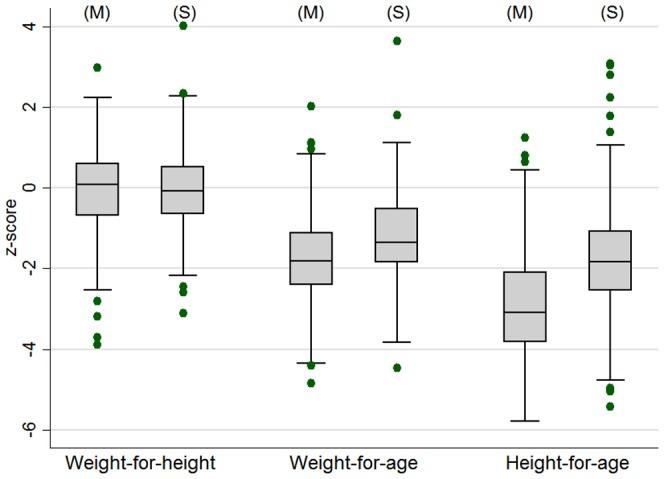
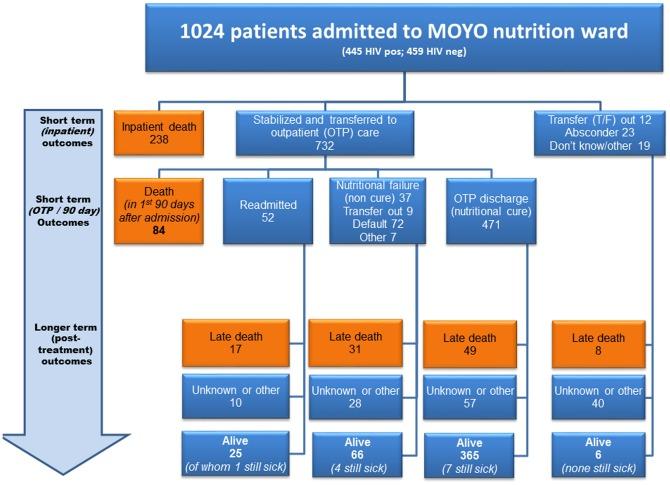
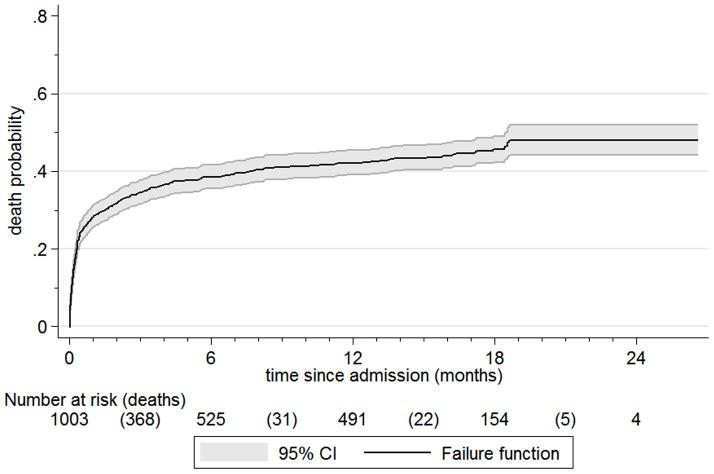
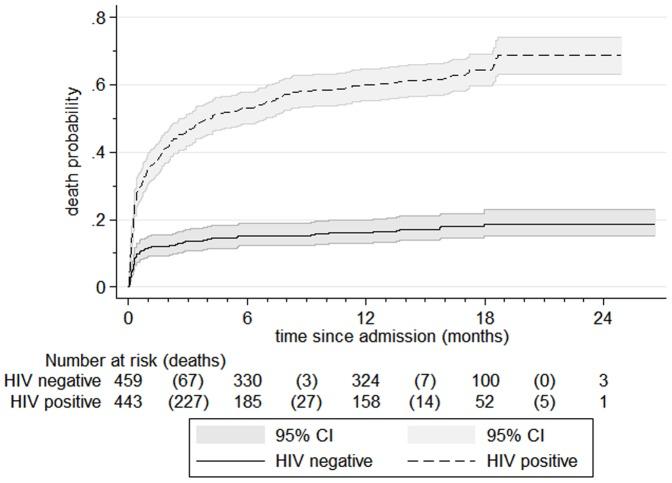
总共有42%(427/1024)的儿童在治疗期间或之后死亡。25%(105/427)的死亡发生在正常治疗方案出院后,即入院90天之后。HIV血清阳性儿童的死亡率最高:62%(274/445)。其他风险因素包括年龄小于12个月;入院时营养不良的严重程度;以及残疾。在幸存者中,身高别体重和年龄别体重有所改善,但年龄别身高仍然较低,平均为 -2.97 z评分(标准差1.3)。
结论
尽管在这种情况下SAM的死亡率高得令人无法接受,但我们的研究结果为未来的规划、政策和研究提供了重要经验教训。首先是需要改进方案评估:大多数常规报告系统会遗漏晚期死亡病例,并低估了SAM导致的总死亡率。其次,需要对SAM有更全面的认识:虽然治疗始终将重点放在营养干预上,但识别和管理诸如HIV和残疾等潜在临床状况也至关重要。最后,应强调早期识别和治疗SAM:我们的结果表明,这可以改善短期和长期结果。随着国际政策和规划越来越关注发育迟缓以及营养不良后的慢性病结果,不应忘记SAM。积极的预防和治疗服务至关重要,这不仅是为了在短期内降低死亡率,还因为它们有可能影响幸存者的长期发病率、生长和发育。
 Zotero 插件