
表位致敏作用:通过表观遗传药物实现的治疗性肿瘤再致敏:综述与重新评估
Episensitization: therapeutic tumor resensitization by epigenetic agents: a review and reassessment.
作者信息
Oronsky Bryan, Oronsky Neil, Knox Susan, Fanger Gary, Scicinski Jan
机构信息
RadioRx, Inc, 800 W El Camino Real, Suite 180, Mountain View CA 94040.
出版信息
Anticancer Agents Med Chem. 2014;14(8):1121-7. doi: 10.2174/1871520614666140418144610.
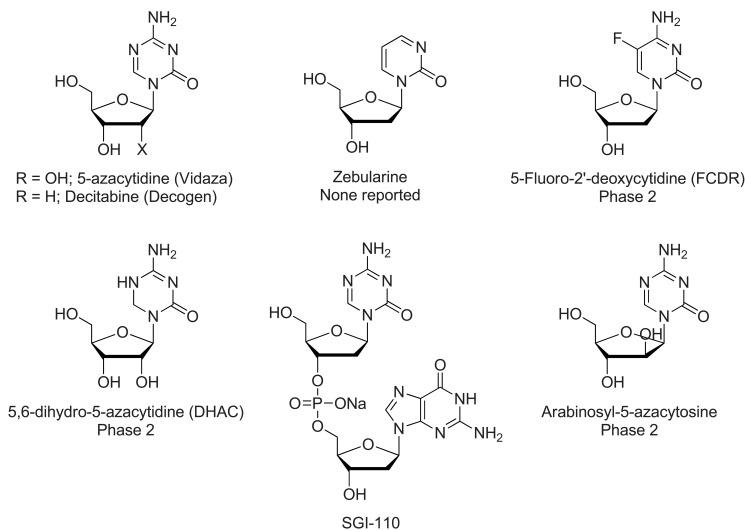
Resistance to chemotherapy, biological and targeted therapies is an important clinical problem. Resistance can arise and/or be selected for multiple mechanisms of action. Unfortunately, acquired resistance to antitumor agents or regimens is nearly inevitable in all patients with metastatic disease. Until recently, it was believed that this resistance was unalterable and irreversible, rendering retreatment with the same or similar drugs futile in most cases. However, the introduction of epigenetic therapies, including HDAC inhibitors and DNA methyltransferase inhibitors (DNMTIs), has provided oncologists with new strategies to potentially overcome this resistance. For example, if chemoresistance is the product of multiple non-genetic alterations, which develop and accumulate over time in response to treatment, then the ability to epigenetically modify the tumor to reconfigure it back to its baseline non-resistant state, holds tremendous promise for the treatment of advanced, metastatic cancer. This minireview aims (1) to explore the potential mechanisms by which a group of small molecule agents including HDACs (entinostat and vorinostat), DNA hypomethylating agents such as the DNMTIs (decitabine (DEC), 5-azacytidine (5-AZA)) and redox modulators (RRx-001) may reprogram the tumors from a refractory to non-refractory state, (2) highlight some recent findings in this area, and (3) discuss the therapeutic potential of resensitization approaches with formerly failed chemotherapies.
对化疗、生物疗法和靶向疗法产生耐药性是一个重要的临床问题。耐药性可能因多种作用机制而产生和/或被选择出来。不幸的是,几乎所有转移性疾病患者都会不可避免地出现对抗肿瘤药物或治疗方案的获得性耐药。直到最近,人们还认为这种耐药性是不可改变和不可逆的,这使得在大多数情况下用相同或类似药物进行再治疗毫无意义。然而,表观遗传疗法的出现,包括组蛋白去乙酰化酶(HDAC)抑制剂和DNA甲基转移酶抑制剂(DNMTI),为肿瘤学家提供了潜在克服这种耐药性的新策略。例如,如果化疗耐药性是多种非基因改变的产物,这些改变会随着时间的推移在治疗过程中逐渐发展和积累,那么通过表观遗传修饰肿瘤使其恢复到基线非耐药状态的能力,对于晚期转移性癌症的治疗具有巨大的前景。本综述旨在(1)探讨包括HDAC(恩替诺特和伏立诺他)、DNA低甲基化剂如DNMTI(地西他滨(DEC)、5-氮杂胞苷(5-AZA))和氧化还原调节剂(RRx-001)在内的一组小分子药物可能将肿瘤从难治性状态重新编程为非难治性状态的潜在机制,(2)强调该领域的一些最新发现,以及(3)讨论用以前失败的化疗进行再敏化治疗方法的治疗潜力。



 Zotero 插件