
人类结肠癌细胞的全基因组分析揭示了缺血通过DNA低甲基化介导的运动基因表达。
Genome-wide analysis in human colorectal cancer cells reveals ischemia-mediated expression of motility genes via DNA hypomethylation.
作者信息
Skowronski Karolina, Andrews Joseph, Rodenhiser David I, Coomber Brenda L
机构信息
Departments of Biochemistry, Oncology and Paediatrics; University of Western Ontario; London Regional Cancer Centre and Children's Health Research Institute; London, ON, Canada.
Department of Biomedical Sciences; Ontario Veterinary College; University of Guelph; Guelph, ON, Canada.
出版信息
PLoS One. 2014 Jul 31;9(7):e103243. doi: 10.1371/journal.pone.0103243. eCollection 2014.
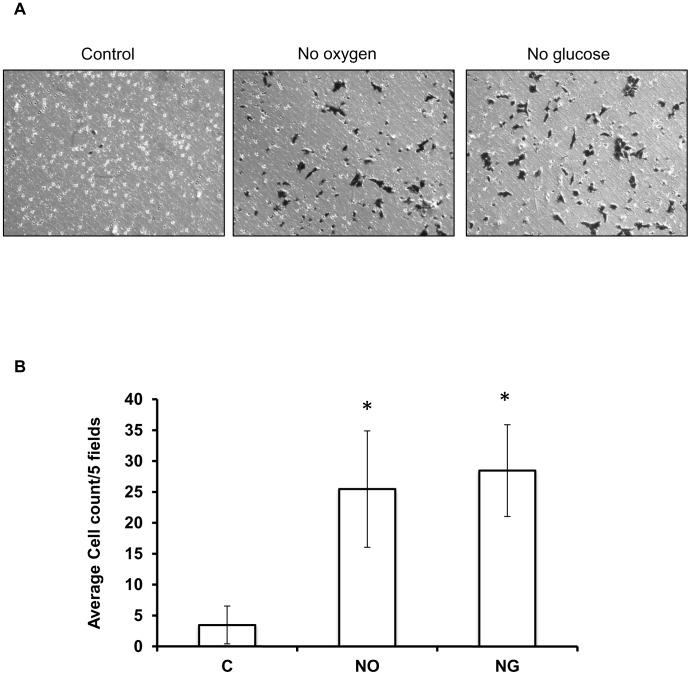
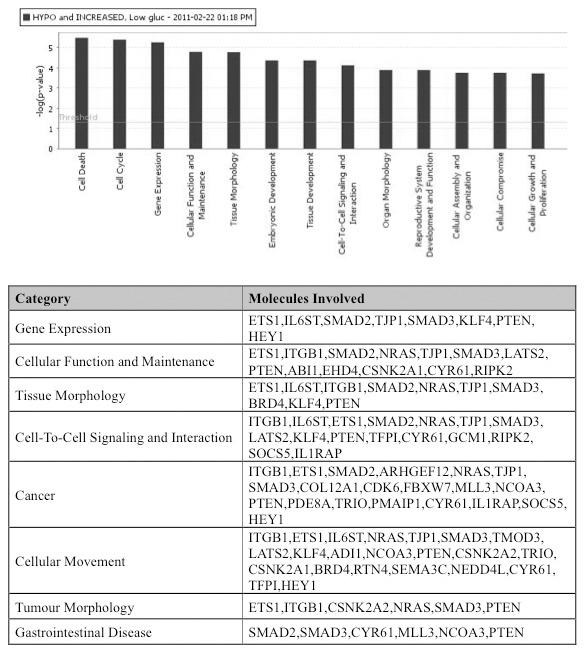
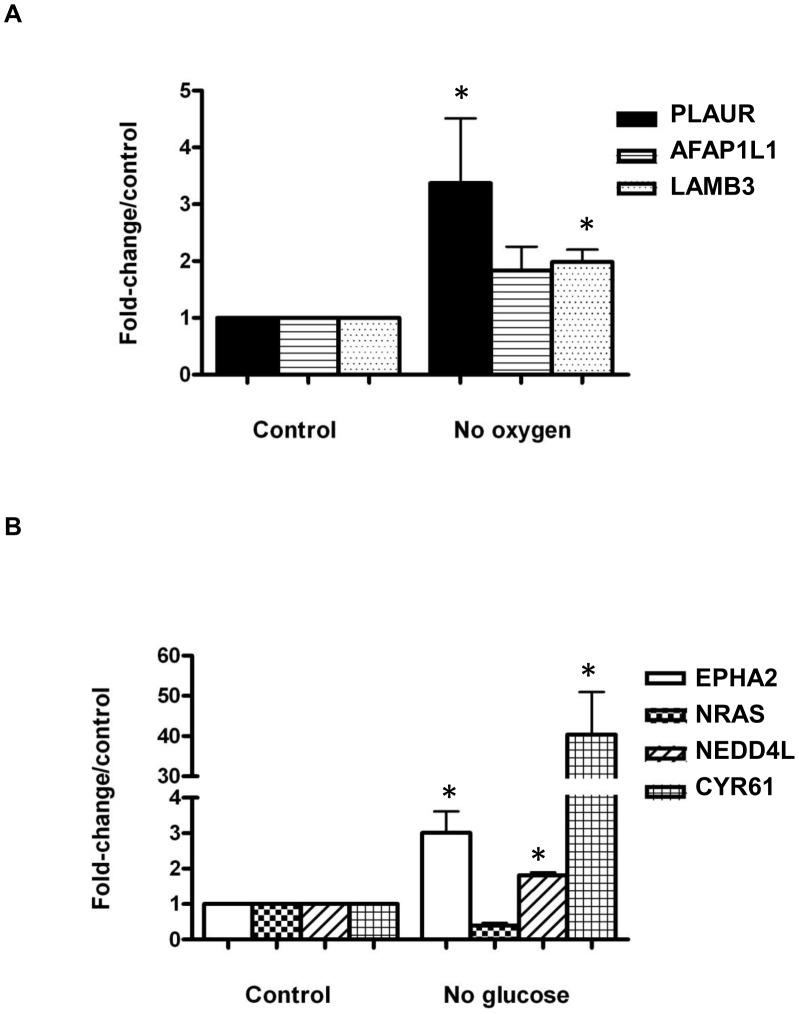
DNA hypomethylation is an important epigenetic modification found to occur in many different cancer types, leading to the upregulation of previously silenced genes and loss of genomic stability. We previously demonstrated that hypoxia and hypoglycaemia (ischemia), two common micro-environmental changes in solid tumours, decrease DNA methylation through the downregulation of DNMTs in human colorectal cancer cells. Here, we utilized a genome-wide cross-platform approach to identify genes hypomethylated and upregulated by ischemia. Following exposure to hypoxia or hypoglycaemia, methylated DNA from human colorectal cancer cells (HCT116) was immunoprecipitated and analysed with an Affymetrix promoter array. Additionally, RNA was isolated and analysed in parallel with an Affymetrix expression array. Ingenuity pathway analysis software revealed that a significant proportion of the genes hypomethylated and upregulated were involved in cellular movement, including PLAUR and CYR61. A Matrigel invasion assay revealed that indeed HCT116 cells grown in hypoxic or hypoglycaemic conditions have increased mobility capabilities. Confirmation of upregulated expression of cellular movement genes was performed with qPCR. The correlation between ischemia and metastasis is well established in cancer progression, but the molecular mechanisms responsible for this common observation have not been clearly identified. Our novel data suggests that hypoxia and hypoglycaemia may be driving changes in DNA methylation through downregulation of DNMTs. This is the first report to our knowledge that provides an explanation for the increased metastatic potential seen in ischemic cells; i.e. that ischemia could be driving DNA hypomethylation and increasing expression of cellular movement genes.
DNA低甲基化是一种重要的表观遗传修饰,在许多不同类型的癌症中都有发现,它会导致先前沉默的基因上调以及基因组稳定性丧失。我们之前证明,缺氧和低血糖(缺血)这两种实体瘤中常见的微环境变化,通过下调人结肠癌细胞中的DNA甲基转移酶(DNMTs)来降低DNA甲基化。在这里,我们利用全基因组跨平台方法来鉴定因缺血而低甲基化和上调的基因。在暴露于缺氧或低血糖后,对人结肠癌细胞(HCT116)的甲基化DNA进行免疫沉淀,并使用Affymetrix启动子阵列进行分析。此外,分离RNA并与Affymetrix表达阵列并行分析。 Ingenuity通路分析软件显示,相当一部分低甲基化和上调的基因参与细胞运动,包括PLAUR和CYR61。基质胶侵袭试验表明,在缺氧或低血糖条件下生长的HCT116细胞确实具有增强的迁移能力。用qPCR对细胞运动基因表达上调进行了验证。在癌症进展过程中,缺血与转移之间的相关性已得到充分证实,但导致这一常见现象的分子机制尚未明确。我们的新数据表明,缺氧和低血糖可能通过下调DNMTs来驱动DNA甲基化的变化。据我们所知,这是第一份为缺血细胞中转移潜能增加提供解释的报告;即缺血可能导致DNA低甲基化并增加细胞运动基因的表达。



 Zotero 插件