
DNA碱基切除修复蛋白APE1在顺铂、奥沙利铂或卡铂诱导的感觉神经病变中的作用。
Role of the DNA base excision repair protein, APE1 in cisplatin, oxaliplatin, or carboplatin induced sensory neuropathy.
作者信息
Kelley Mark R, Jiang Yanlin, Guo Chunlu, Reed April, Meng Hongdi, Vasko Michael R
机构信息
Department of Pediatrics, Herman B Wells Center for Pediatric Research, Indianapolis, Indiana, United States of America; Department of Pharmacology & Toxicology, Indiana University School of Medicine, Indianapolis, Indiana, United States of America.
Department of Pediatrics, Herman B Wells Center for Pediatric Research, Indianapolis, Indiana, United States of America.
出版信息
PLoS One. 2014 Sep 4;9(9):e106485. doi: 10.1371/journal.pone.0106485. eCollection 2014.
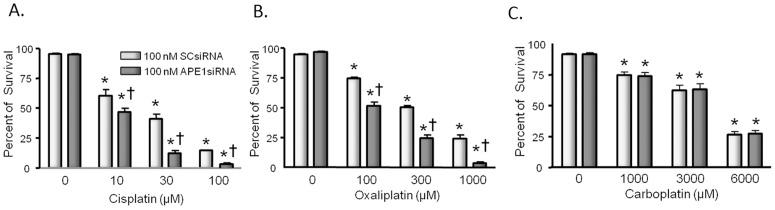
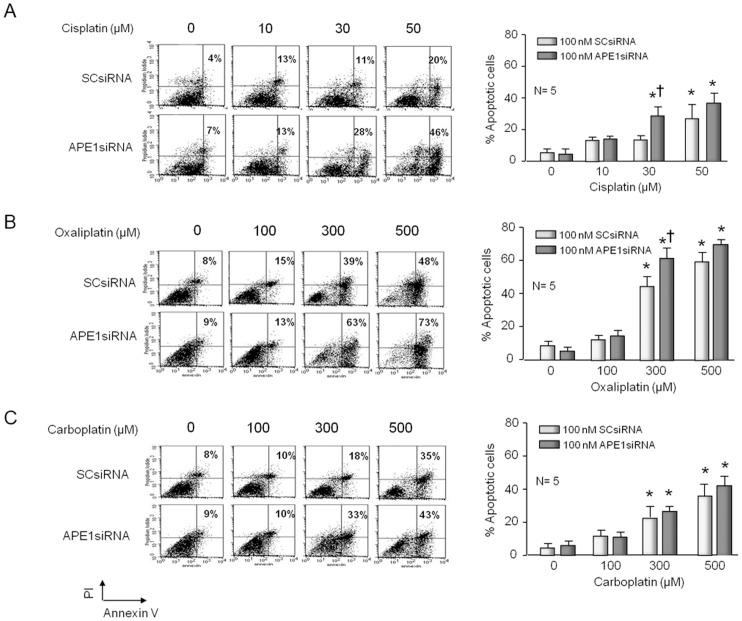
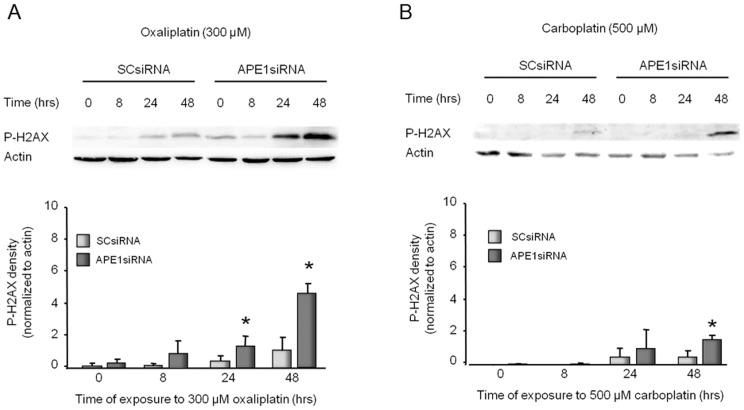
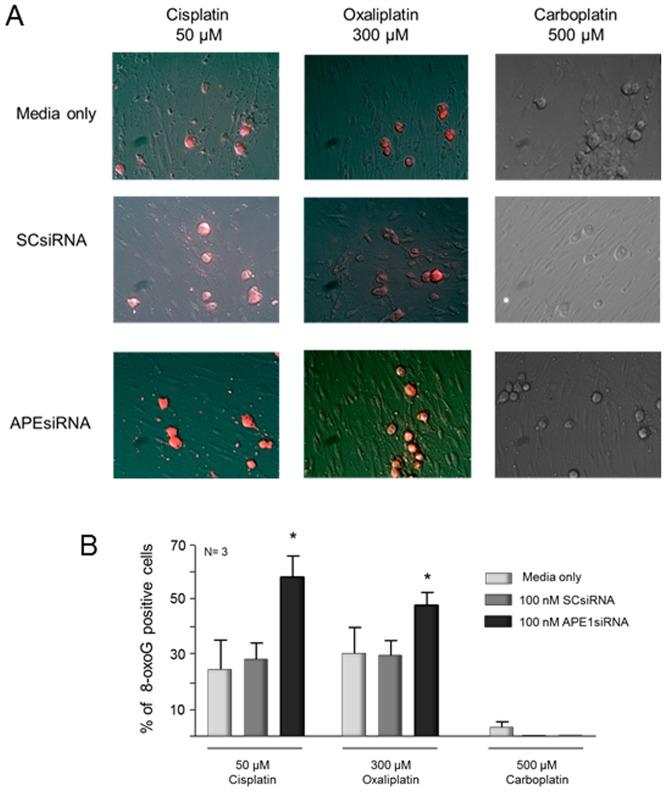
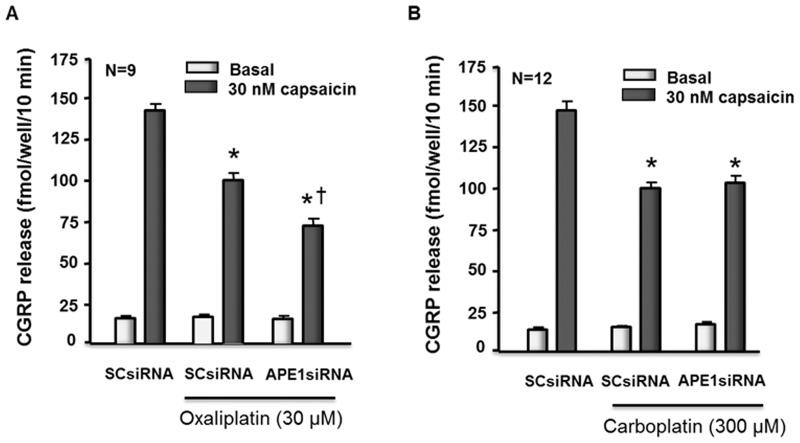
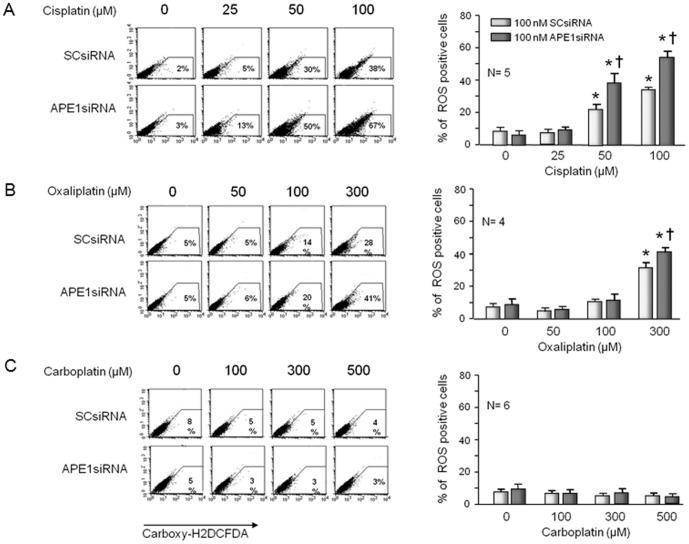
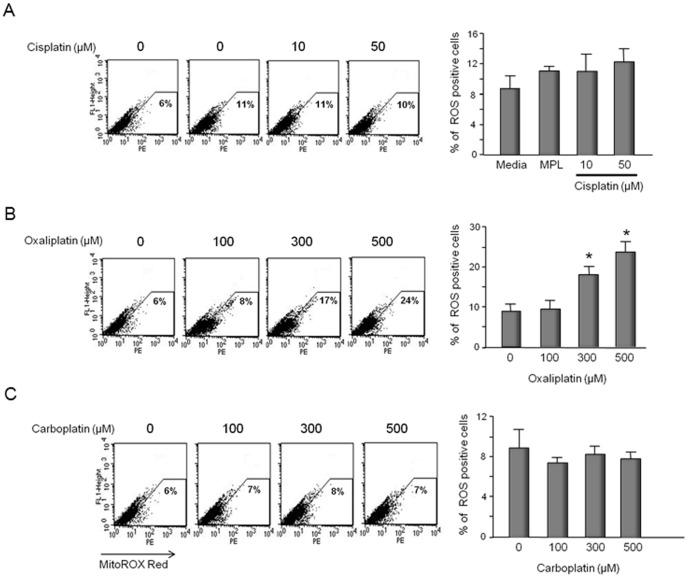
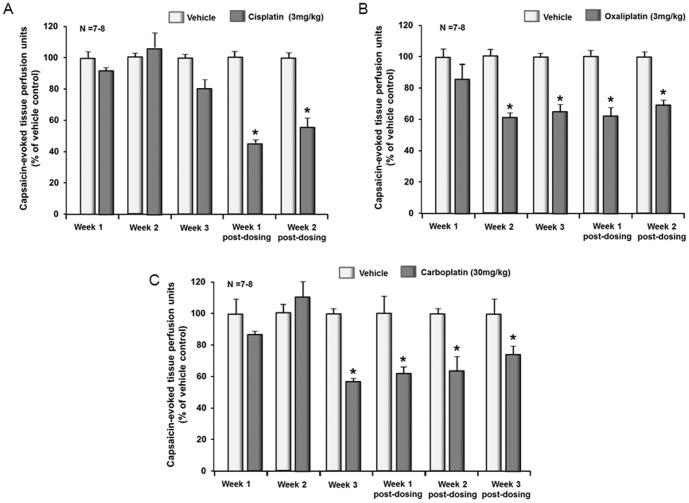
Although chemotherapy-induced peripheral neuropathy (CIPN) is a dose-limiting side effect of platinum drugs, the mechanisms of this toxicity remain unknown. Previous work in our laboratory suggests that cisplatin-induced CIPN is secondary to DNA damage which is susceptible to base excision repair (BER). To further examine this hypothesis, we studied the effects of cisplatin, oxaliplatin, and carboplatin on cell survival, DNA damage, ROS production, and functional endpoints in rat sensory neurons in culture in the absence or presence of reduced expression of the BER protein AP endonuclease/redox factor-1 (APE1). Using an in situ model of peptidergic sensory neuron function, we examined the effects of the platinum drugs on hind limb capsaicin-evoked vasodilatation. Exposing sensory neurons in culture to the three platinum drugs caused a concentration-dependent increase in apoptosis and cell death, although the concentrations of carboplatin were 10 fold higher than cisplatin. As previously observed with cisplatin, oxaliplatin and carboplatin also increased DNA damage as indicated by an increase in phospho-H2AX and reduced the capsaicin-evoked release of CGRP from neuronal cultures. Both cisplatin and oxaliplatin increased the production of ROS as well as 8-oxoguanine DNA adduct levels, whereas carboplatin did not. Reducing levels of APE1 in neuronal cultures augmented the cisplatin and oxaliplatin induced toxicity, but did not alter the effects of carboplatin. Using an in vivo model, systemic injection of cisplatin (3 mg/kg), oxaliplatin (3 mg/kg), or carboplatin (30 mg/kg) once a week for three weeks caused a decrease in capsaicin-evoked vasodilatation, which was delayed in onset. The effects of cisplatin on capsaicin-evoked vasodilatation were attenuated by chronic administration of E3330, a redox inhibitor of APE1 that serendipitously enhances APE1 DNA repair activity in sensory neurons. These outcomes support the importance of the BER pathway, and particularly APE1, in sensory neuropathy caused by cisplatin and oxaliplatin, but not carboplatin and suggest that augmenting DNA repair could be a therapeutic target for CIPN.
尽管化疗引起的周围神经病变(CIPN)是铂类药物的剂量限制性副作用,但其毒性机制仍不清楚。我们实验室之前的研究表明,顺铂诱导的CIPN继发于易受碱基切除修复(BER)作用的DNA损伤。为了进一步验证这一假设,我们研究了顺铂、奥沙利铂和卡铂在BER蛋白AP核酸内切酶/氧化还原因子-1(APE1)表达降低或未降低的情况下,对培养的大鼠感觉神经元的细胞存活、DNA损伤、活性氧(ROS)生成及功能终点的影响。利用肽能感觉神经元功能的原位模型,我们研究了铂类药物对后肢辣椒素诱发的血管舒张的影响。将培养的感觉神经元暴露于三种铂类药物中会导致细胞凋亡和死亡呈浓度依赖性增加,尽管卡铂的浓度比顺铂高10倍。如之前观察到的顺铂的情况一样,奥沙利铂和卡铂也会增加DNA损伤,表现为磷酸化H2AX增加,并减少神经元培养物中辣椒素诱发的降钙素基因相关肽(CGRP)释放。顺铂和奥沙利铂都会增加ROS的生成以及8-氧代鸟嘌呤DNA加合物水平,而卡铂则不会。降低神经元培养物中APE1的水平会增强顺铂和奥沙利铂诱导的毒性,但不会改变卡铂的作用。在体内模型中,每周一次全身注射顺铂(3mg/kg)、奥沙利铂(3mg/kg)或卡铂(30mg/kg),持续三周,会导致辣椒素诱发的血管舒张减弱,且起效延迟。长期给予E3330(一种APE1的氧化还原抑制剂,意外地增强了感觉神经元中APE1的DNA修复活性)可减弱顺铂对辣椒素诱发血管舒张的作用。这些结果支持了BER途径,特别是APE1,在顺铂和奥沙利铂而非卡铂引起的感觉神经病变中的重要性,并表明增强DNA修复可能是CIPN的一个治疗靶点。

 Zotero 插件