
牛乳腺炎:免疫遗传学前沿。
Bovine mastitis: frontiers in immunogenetics.
机构信息
Department of Pathobiology, University of Guelph , Guelph, ON , Canada ; Center for Genetic Improvement of Livestock, University of Guelph , Guelph, ON , Canada.
Department of Pathobiology, University of Guelph , Guelph, ON , Canada ; Center for Genetic Improvement of Livestock, University of Guelph , Guelph, ON , Canada ; Department of Biomedical Science, University of Guelph , Guelph, ON , Canada ; Department of Animal and Poultry Science, University of Guelph , Guelph, ON , Canada.
出版信息
Front Immunol. 2014 Oct 7;5:493. doi: 10.3389/fimmu.2014.00493. eCollection 2014.
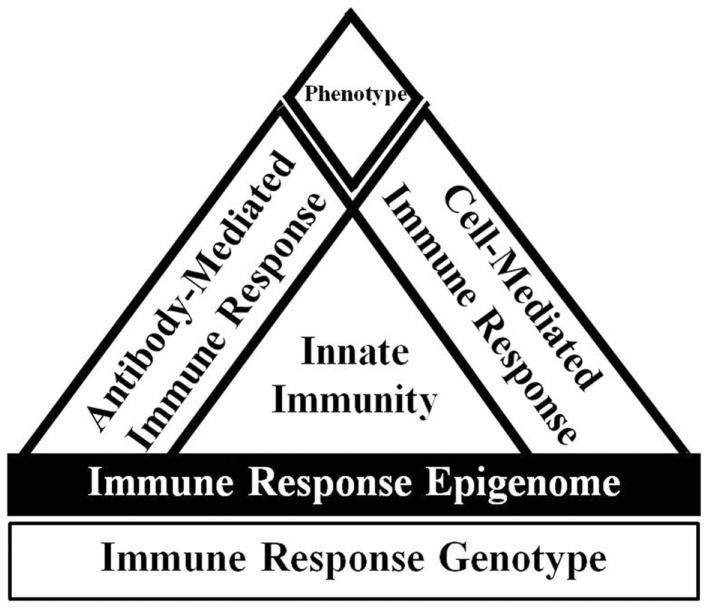
Mastitis is one of the most prevalent and costly diseases in the dairy industry with losses attributable to reduced milk production, discarded milk, early culling, veterinary services, and labor costs. Typically, mastitis is an inflammation of the mammary gland most often, but not limited to, bacterial infection, and is characterized by the movement of leukocytes and serum proteins from the blood to the site of infection. It contributes to compromised milk quality and the potential spread of antimicrobial resistance if antibiotic treatment is not astutely applied. Despite the implementation of management practises and genetic selection approaches, bovine mastitis control continues to be inadequate. However, some novel genetic strategies have recently been demonstrated to reduce mastitis incidence by taking advantage of a cow's natural ability to make appropriate immune responses against invading pathogens. Specifically, dairy cattle with enhanced and balanced immune responses have a lower occurrence of disease, including mastitis, and they can be identified and selected for using the high immune response (HIR) technology. Enhanced immune responsiveness is also associated with improved response to vaccination, increased milk, and colostrum quality. Since immunity is an important fitness trait, beneficial associations with longevity and reproduction are also often noted. This review highlights the genetic regulation of the bovine immune system and its vital contributions to disease resistance. Genetic selection approaches currently used in the dairy industry to reduce the incidence of disease are reviewed, including the HIR technology, genomics to improve disease resistance or immune response, as well as the Immunity(+)™ sire line. Improving the overall immune responsiveness of cattle is expected to provide superior disease resistance, increasing animal welfare and food quality while maintaining favorable production levels to feed a growing population.
乳腺炎是奶牛养殖业中最常见和代价最高的疾病之一,其损失归因于产奶量下降、废弃牛奶、提前淘汰、兽医服务和劳动力成本。通常,乳腺炎是乳腺的炎症,最常见但不限于细菌感染,其特征是白细胞和血清蛋白从血液移动到感染部位。如果抗生素治疗不及时,它会导致牛奶质量下降,并有可能传播抗生素耐药性。尽管实施了管理实践和遗传选择方法,但牛乳腺炎的控制仍然不足。然而,最近一些新的遗传策略已经被证明可以通过利用奶牛对入侵病原体产生适当免疫反应的自然能力来降低乳腺炎的发病率。具体来说,具有增强和平衡免疫反应的奶牛患疾病(包括乳腺炎)的发生率较低,并且可以使用高免疫反应 (HIR) 技术来识别和选择它们。增强的免疫反应也与疫苗接种反应的提高、牛奶和初乳质量的提高有关。由于免疫力是一个重要的适应特征,因此通常还注意到与长寿和繁殖有关的有益关联。这篇综述强调了牛免疫系统的遗传调控及其对疾病抵抗力的重要贡献。还回顾了目前在奶牛养殖业中用于降低疾病发病率的遗传选择方法,包括 HIR 技术、基因组学以提高疾病抵抗力或免疫反应,以及 Immunity(+)™种公牛系。提高牛的整体免疫反应有望提供卓越的疾病抵抗力,提高动物福利和食品质量,同时保持有利的生产水平以满足不断增长的人口需求。
 Zotero 插件