
组织培养包被基质对前列腺癌细胞黏附、形态和行为的不同影响。
Differential effects of tissue culture coating substrates on prostate cancer cell adherence, morphology and behavior.
作者信息
Liberio Michelle S, Sadowski Martin C, Soekmadji Carolina, Davis Rohan A, Nelson Colleen C
机构信息
Eskitis Institute for Drug Discovery, Griffith University, Nathan, Australia; Australian Prostate Cancer Research Centre - Queensland, Institute of Health and Biomedical Innovation, Queensland University of Technology, Princess Alexandra Hospital, Translational Research Institute, Brisbane, Australia.
Australian Prostate Cancer Research Centre - Queensland, Institute of Health and Biomedical Innovation, Queensland University of Technology, Princess Alexandra Hospital, Translational Research Institute, Brisbane, Australia.
出版信息
PLoS One. 2014 Nov 6;9(11):e112122. doi: 10.1371/journal.pone.0112122. eCollection 2014.
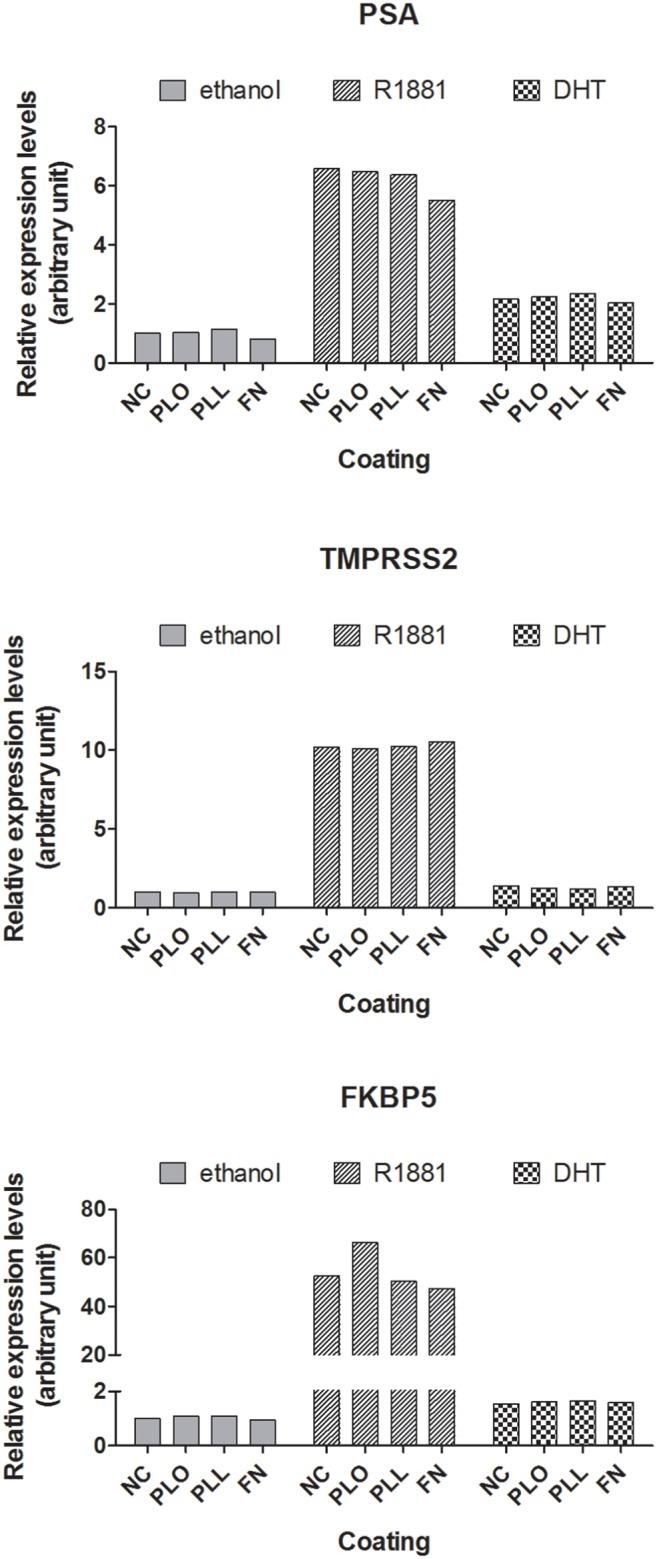
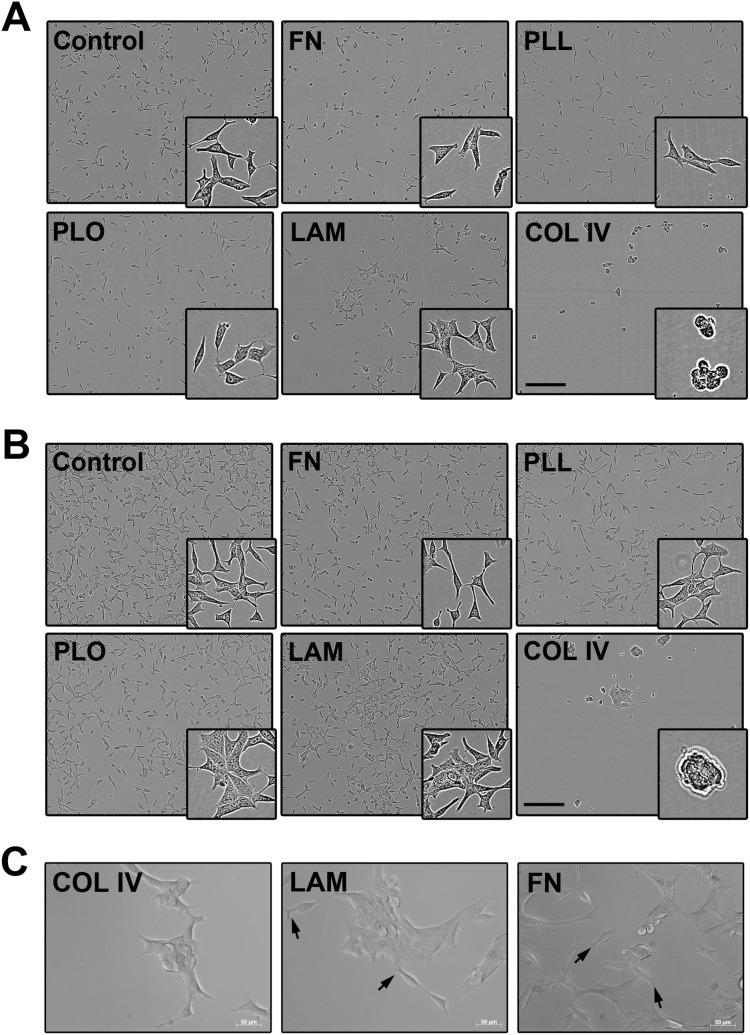
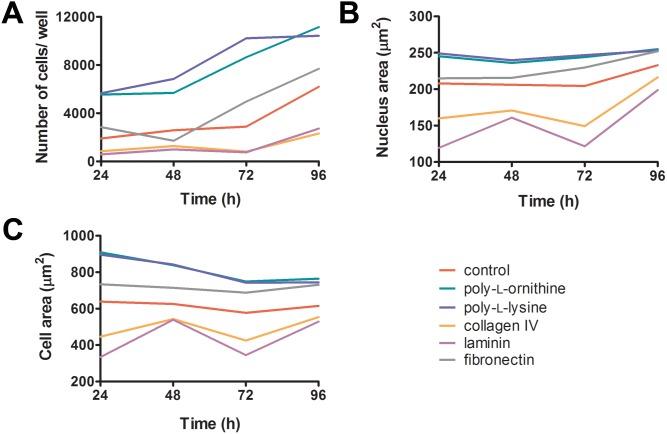
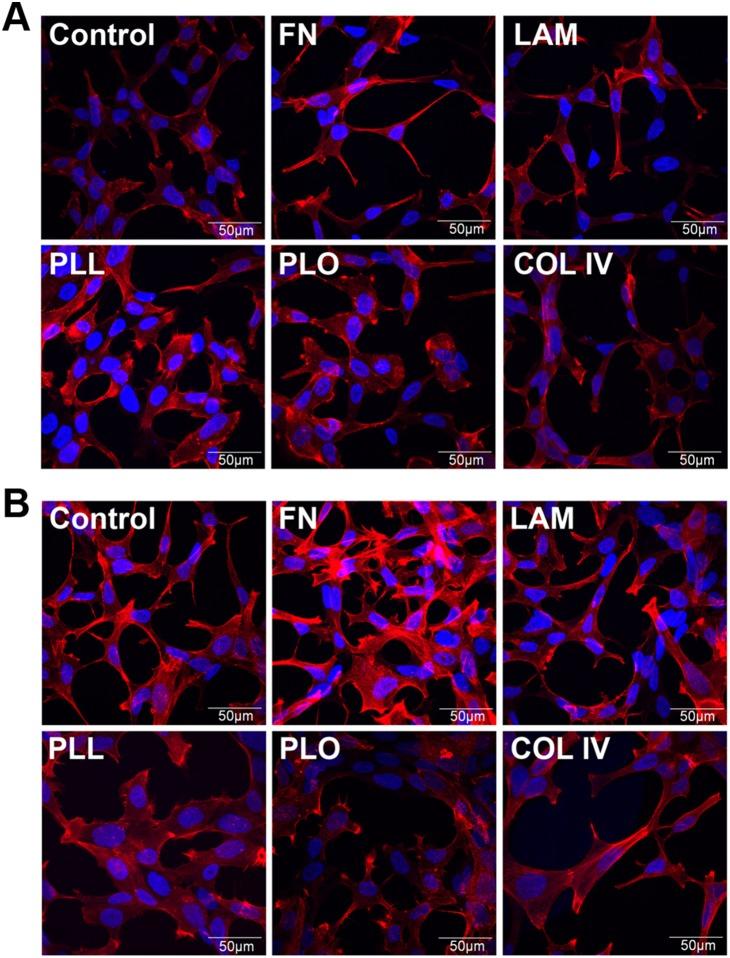
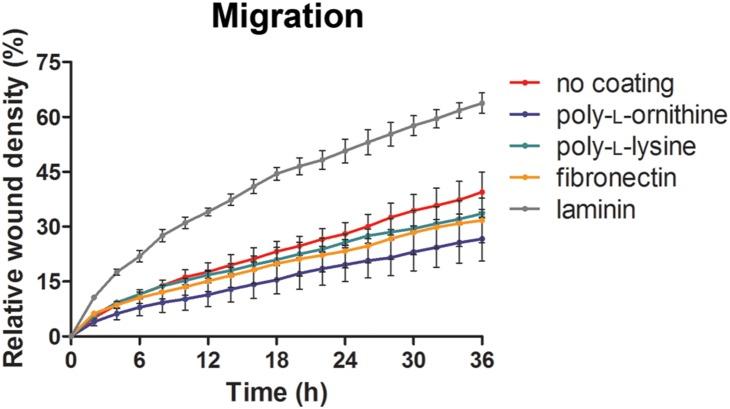
Weak cell-surface adhesion of cell lines to tissue culture surfaces is a common problem and presents technical limitations to the design of experiments. To overcome this problem, various surface coating protocols have been developed. However, a comparative and precise real-time measurement of their impact on cell behavior has not been conducted. The prostate cancer cell line LNCaP, derived from a patient lymph node metastasis, is a commonly used model system in prostate cancer research. However, the cells' characteristically weak attachment to the surface of tissue culture vessels and cover slips has impeded their manipulation and analysis and use in high throughput screening. To improve the adherence of LNCaP cells to the culture surface, we compared different coating reagents (poly-L-lysine, poly-L-ornithine, collagen type IV, fibronectin, and laminin) and culturing conditions and analyzed their impact on cell proliferation, adhesion, morphology, mobility and gene expression using real-time technologies. The results showed that fibronectin, poly-L-lysine and poly-L-ornithine improved LNCaP cells adherence and provoked cell morphology alterations, such as increase of nuclear and cellular area. These coating reagents also induced a higher expression of F-actin and reduced cell mobility. In contrast, laminin and collagen type IV did not improve adherence but promoted cell aggregation and affected cell morphology. Cells cultured in the presence of laminin displayed higher mobility than control cells. All the coating conditions significantly affected cell viability; however, they did not affect the expression of androgen receptor-regulated genes. Our comparative findings provide important insight for the selection of the ideal coating reagent and culture conditions for the cancer cell lines with respect to their effect on proliferation rate, attachment, morphology, migration, transcriptional response and cellular cytoskeleton arrangement.
细胞系与组织培养表面的弱细胞表面粘附是一个常见问题,给实验设计带来了技术限制。为克服这一问题,已开发出各种表面包被方案。然而,尚未对它们对细胞行为的影响进行比较精确的实时测量。源自患者淋巴结转移的前列腺癌细胞系LNCaP是前列腺癌研究中常用的模型系统。然而,这些细胞对组织培养容器和盖玻片表面的典型弱附着阻碍了它们在高通量筛选中的操作、分析和应用。为提高LNCaP细胞对培养表面的粘附性,我们比较了不同的包被试剂(聚-L-赖氨酸、聚-L-鸟氨酸、IV型胶原、纤连蛋白和层粘连蛋白)和培养条件,并使用实时技术分析了它们对细胞增殖、粘附、形态、迁移和基因表达的影响。结果表明,纤连蛋白、聚-L-赖氨酸和聚-L-鸟氨酸改善了LNCaP细胞的粘附性,并引发了细胞形态改变,如细胞核和细胞面积增加。这些包被试剂还诱导了F-肌动蛋白的更高表达并降低了细胞迁移率。相比之下,层粘连蛋白和IV型胶原没有改善粘附性,但促进了细胞聚集并影响了细胞形态。在层粘连蛋白存在下培养的细胞比对照细胞显示出更高的迁移率。所有包被条件均显著影响细胞活力;然而,它们不影响雄激素受体调节基因的表达。我们的比较结果为选择理想的包被试剂和培养条件提供了重要见解,这些条件对癌细胞系在增殖率、附着、形态、迁移、转录反应和细胞骨架排列方面具有影响。


 Zotero 插件