
肿瘤引流淋巴结的微环境:基于脂质体的靶向治疗机遇
Microenvironment of tumor-draining lymph nodes: opportunities for liposome-based targeted therapy.
作者信息
Chandrasekaran Siddarth, King Michael R
机构信息
Department of Biomedical Engineering, Cornell University, Ithaca, NY 14853, USA.
出版信息
Int J Mol Sci. 2014 Nov 5;15(11):20209-39. doi: 10.3390/ijms151120209.
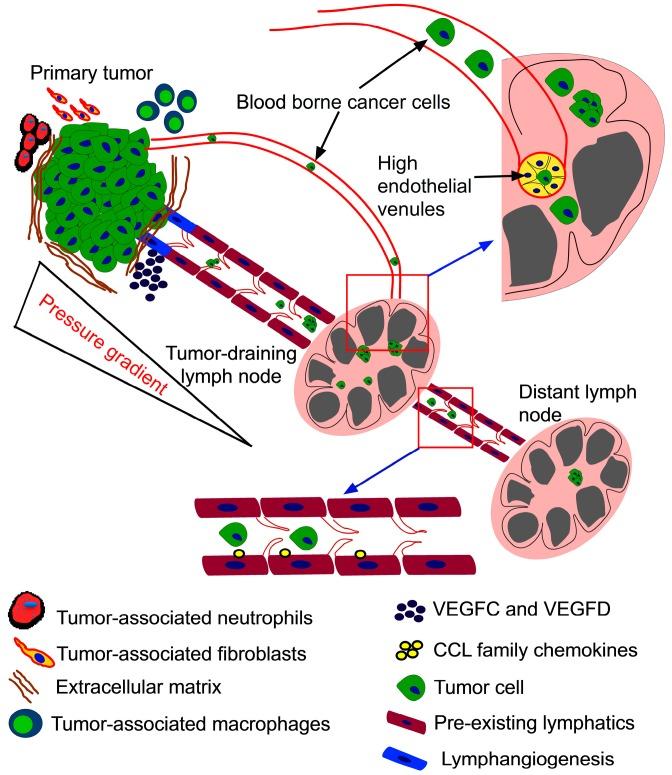
The World Health Organization (WHO) recently reported that the total number of global cancer cases in 2013 reached 14 million, a 10% rise since 2008, while the total number of cancer deaths reached 8.2 million, a 5.2% increase since 2008. Metastasis is the major cause of death from cancer, accounting for 90% of all cancer related deaths. Tumor-draining lymph nodes (TDLN), the sentinel nodes, are the first organs of metastasis in several types of cancers. The extent of metastasis in the TDLN is often used in disease staging and prognosis evaluation in cancer patients. Here, we describe the microenvironment of the TDLN and review the recent literature on liposome-based therapies directed to immune cells within the TDLN with the intent to target cancer cells.
世界卫生组织(WHO)最近报告称,2013年全球癌症病例总数达到1400万,自2008年以来增长了10%,而癌症死亡总数达到820万,自2008年以来增加了5.2%。转移是癌症死亡的主要原因,占所有癌症相关死亡的90%。肿瘤引流淋巴结(TDLN),即前哨淋巴结,是几种癌症转移的首个器官。TDLN中的转移程度常被用于癌症患者的疾病分期和预后评估。在此,我们描述TDLN的微环境,并综述近期有关针对TDLN内免疫细胞以靶向癌细胞的基于脂质体疗法的文献。



 Zotero 插件