
功能化石墨烯片作为胡芦巴β-淀粉酶的固定化基质:酶动力学和稳定性研究
Functionalized graphene sheets as immobilization matrix for Fenugreek β-amylase: enzyme kinetics and stability studies.
作者信息
Srivastava Garima, Singh Kritika, Talat Mahe, Srivastava Onkar Nath, Kayastha Arvind M
机构信息
School of Biotechnology, Faculty of Science, Banaras Hindu University, Varanasi, India.
Nanoscience and Nanotechnology Unit, Department of Physics, Banaras Hindu University, Varanasi, India.
出版信息
PLoS One. 2014 Nov 20;9(11):e113408. doi: 10.1371/journal.pone.0113408. eCollection 2014.
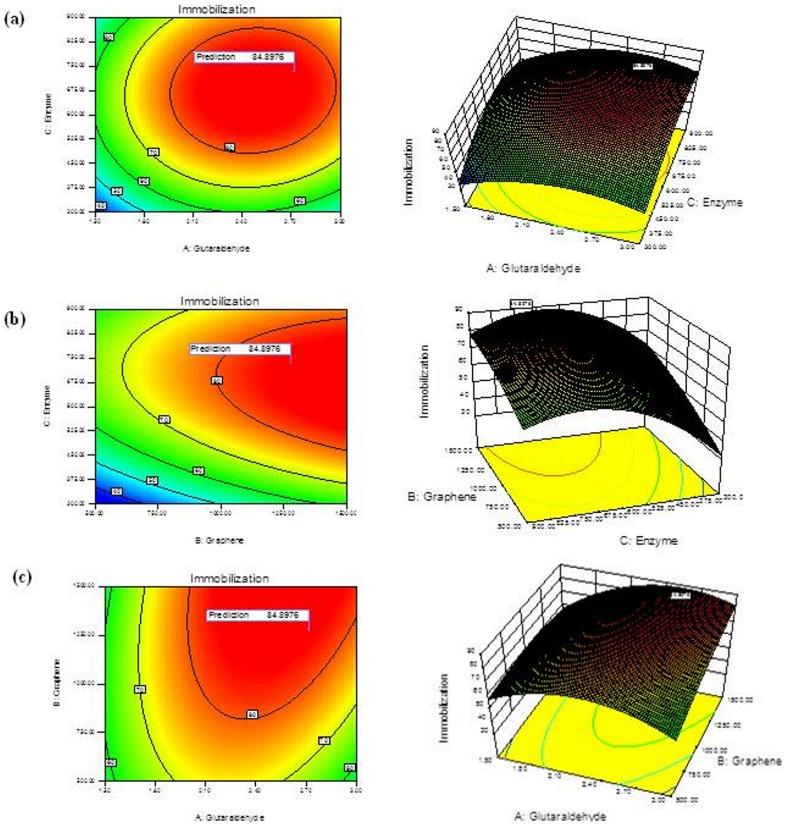
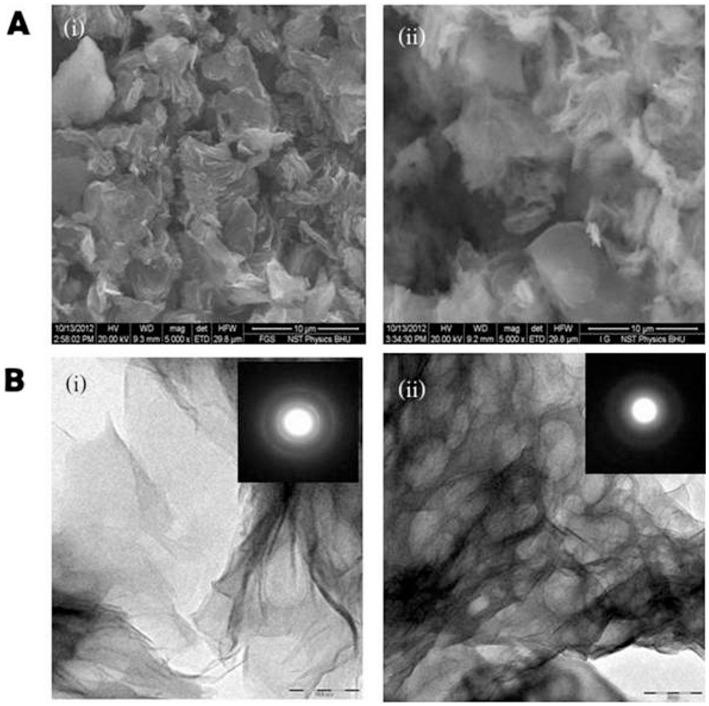
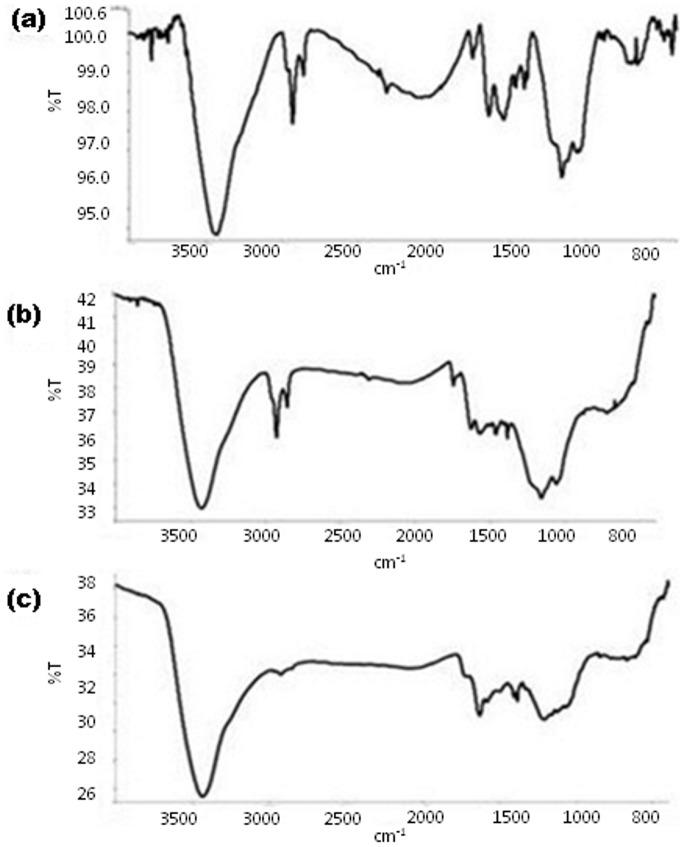
β-Amylase finds application in food and pharmaceutical industries. Functionalized graphene sheets were customised as a matrix for covalent immobilization of Fenugreek β-amylase using glutaraldehyde as a cross-linker. The factors affecting the process were optimized using Response Surface Methodology based Box-Behnken design of experiment which resulted in 84% immobilization efficiency. Scanning and Transmission Electron Microscopy (SEM, TEM) and Fourier Tansform Infrared (FTIR) spectroscopy were employed for the purpose of characterization of attachment of enzyme on the graphene. The enzyme kinetic studies were carried out for obtaining best catalytic performance and enhanced reusability. Optimum temperature remained unchanged, whereas optimum pH showed shift towards acidic range for immobilized enzyme. Increase in thermal stability of immobilized enzyme and non-toxic nature of functionalized graphene can be exploited for production of maltose in food and pharmaceutical industries.
β-淀粉酶在食品和制药行业有应用。使用戊二醛作为交联剂,将功能化石墨烯片定制为胡芦巴β-淀粉酶共价固定的基质。采用基于Box-Behnken实验设计的响应面法对影响该过程的因素进行了优化,固定化效率达到了84%。利用扫描电子显微镜(SEM)、透射电子显微镜(TEM)和傅里叶变换红外光谱(FTIR)对酶在石墨烯上的附着情况进行表征。进行酶动力学研究以获得最佳催化性能和提高可重复使用性。固定化酶的最适温度保持不变,而最适pH值向酸性范围偏移。固定化酶热稳定性的提高以及功能化石墨烯的无毒性质可用于食品和制药行业中麦芽糖的生产。

 Zotero 插件