
实验性小鼠干眼诱发的动态眼表和泪腺变化
Dynamic ocular surface and lacrimal gland changes induced in experimental murine dry eye.
作者信息
Xiao Bing, Wang Yu, Reinach Peter S, Ren Yueping, Li Jinyang, Hua Shanshan, Lu Huihui, Chen Wei
机构信息
School of Ophthalmology and Optometry, Wenzhou Medical University, Zhejiang, China.
School of Ophthalmology and Optometry, Wenzhou Medical University, Zhejiang, China; Department of Biological Sciences, College of Optometry, State University of New York, New York, NY 10036, United States of America.
出版信息
PLoS One. 2015 Jan 15;10(1):e0115333. doi: 10.1371/journal.pone.0115333. eCollection 2015.
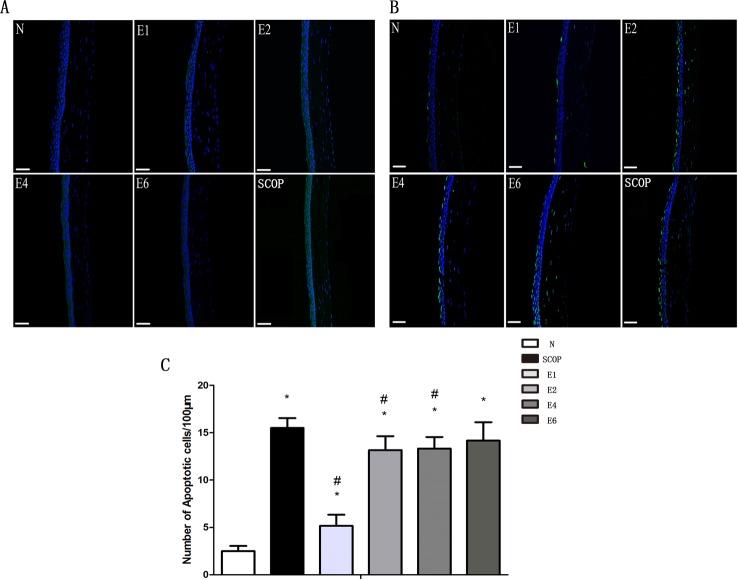
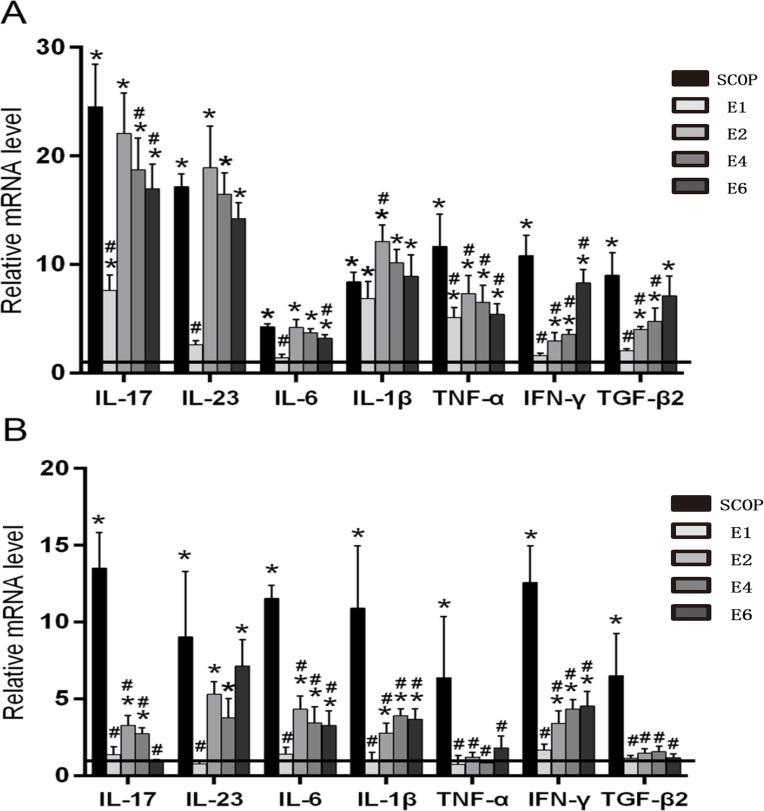
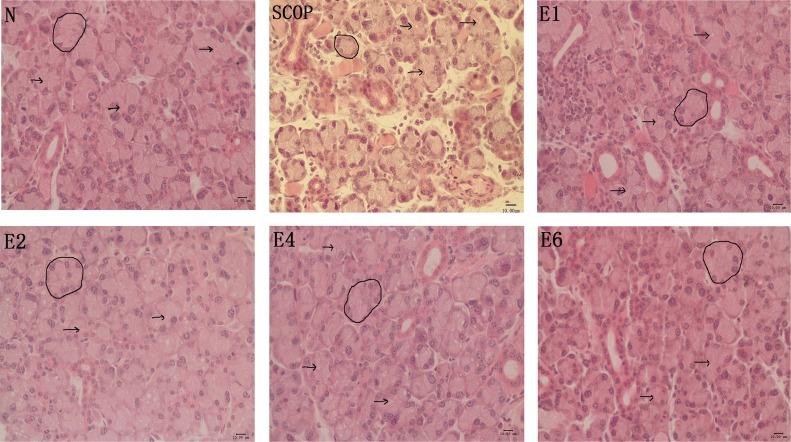
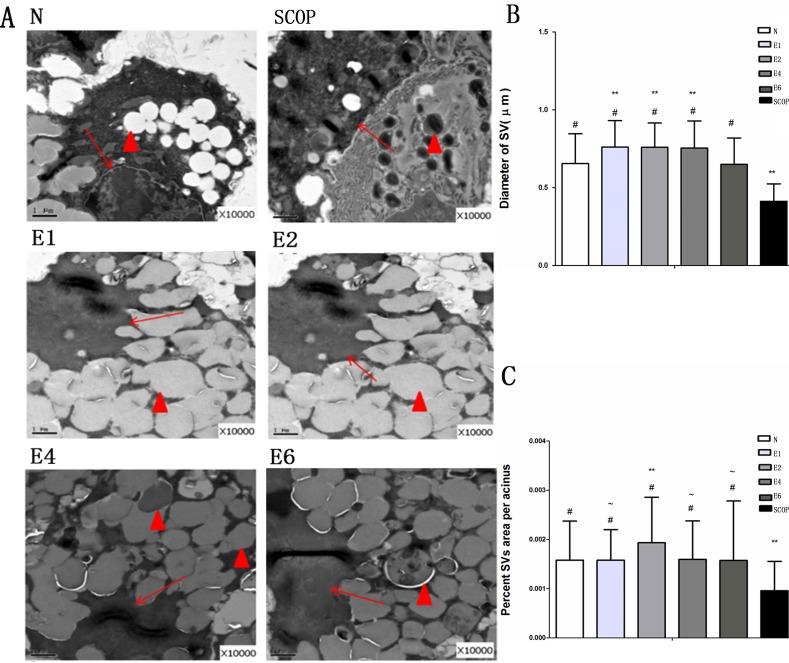
Dry eye disease can be a consequence of lacrimal gland insufficiency in Sjögren's Syndrome or increased tear film evaporation despite normal lacrimal gland function. To determine if there is a correlation between severity effects in these models and underlying pathophysiological responses, we compared the time dependent changes in each of these parameters that occur during a 6 week period. Dry eye was induced in 6-week-old female C57BL/6 mice by exposing them to an Intelligently Controlled Environmental System (ICES). Sixty mice were housed in ICES for 1, 2, 4 and 6 weeks respectively. Twelve were raised in normal environment and received subcutaneous injections of scopolamine hydrobromide (SCOP) 3 times daily for 5 days. Another sixty mice were housed in a normal environment and received no treatment. Corneal fluorescein staining along with corneal MMP-9 and caspase-3 level measurements were performed in parallel with the TUNEL assay. Interleukin-17(IL-17), IL-23, IL-6, IL-1, TNF-α, IFN-γ and TGF-β2 levels were estimated by real-time PCR measurements of conjunctival and lacrimal gland samples (LGs). Immunohistochemistry of excised LGs along with flow cytometry in cervical lymph nodes evaluated immune cell infiltration. Light and transmission electron microscopy studies evaluated LGs cytoarchitectural changes. ICES induced corneal epithelial destruction and apoptosis peaked at 2 weeks and kept stable in the following 4 weeks. In the ICES group, lacrimal gland proinflammatory cytokine level increases were much lower than those in the SCOP group. In accord with the lower proinflammatory cytokine levels, in the ICES group, lacrimal gland cytosolic vesicular density and size exceeded that in the SCOP group. ICES and SCOP induced murine dry eye effects became progressively more severe over a two week period. Subsequently, the disease process stabilized for the next four weeks. ICES induced local effects in the ocular surface, but failed to elicit lacrimal gland inflammation and cytoarchitectural changes, which accounts for less dry eye severity in the ICES model than that in the SCOP model.
干眼症可能是干燥综合征中泪腺功能不全的结果,也可能是尽管泪腺功能正常但泪膜蒸发增加所致。为了确定这些模型中的严重程度效应与潜在病理生理反应之间是否存在相关性,我们比较了在6周期间内这些参数各自随时间的变化。通过将6周龄雌性C57BL/6小鼠置于智能控制环境系统(ICES)中来诱导干眼症。60只小鼠分别在ICES中饲养1、2、4和6周。12只在正常环境中饲养,并每天皮下注射氢溴酸东莨菪碱(SCOP)3次,持续5天。另外60只小鼠在正常环境中饲养,未接受治疗。与TUNEL检测同时进行角膜荧光素染色以及角膜MMP-9和caspase-3水平测量。通过对结膜和泪腺样本(LGs)进行实时PCR测量来估计白细胞介素-17(IL-17)、IL-23、IL-6、IL-1、肿瘤坏死因子-α、干扰素-γ和转化生长因子-β2水平。对切除的LGs进行免疫组织化学分析,并对颈淋巴结进行流式细胞术分析以评估免疫细胞浸润。光镜和透射电镜研究评估LGs的细胞结构变化。ICES诱导的角膜上皮破坏和凋亡在2周时达到峰值,并在接下来的4周内保持稳定。在ICES组中,泪腺促炎细胞因子水平的升高远低于SCOP组。与较低的促炎细胞因子水平一致,在ICES组中,泪腺胞质囊泡密度和大小超过SCOP组。ICES和SCOP诱导的小鼠干眼效应在两周内逐渐变得更加严重。随后,疾病进程在接下来的四周内稳定下来。ICES诱导眼表局部效应,但未能引发泪腺炎症和细胞结构变化,这导致ICES模型中的干眼严重程度低于SCOP模型。



 Zotero 插件