
一种一氧化氮调节的小RNA控制枯草芽孢杆菌中参与氧化还原稳态的基因的表达。
A nitric oxide regulated small RNA controls expression of genes involved in redox homeostasis in Bacillus subtilis.
作者信息
Durand Sylvain, Braun Frédérique, Lioliou Efthimia, Romilly Cédric, Helfer Anne-Catherine, Kuhn Laurianne, Quittot Noé, Nicolas Pierre, Romby Pascale, Condon Ciarán
机构信息
CNRS FRE 3630 (affiliated with Univ. Paris Diderot, Sorbonne Paris Cité), Institut de Biologie Physico-Chimique, Paris, France.
Architecture et Réactivité de l'ARN, Université de Strasbourg, CNRS, IBMC, Strasbourg, France.
出版信息
PLoS Genet. 2015 Feb 2;11(2):e1004957. doi: 10.1371/journal.pgen.1004957. eCollection 2015 Feb.
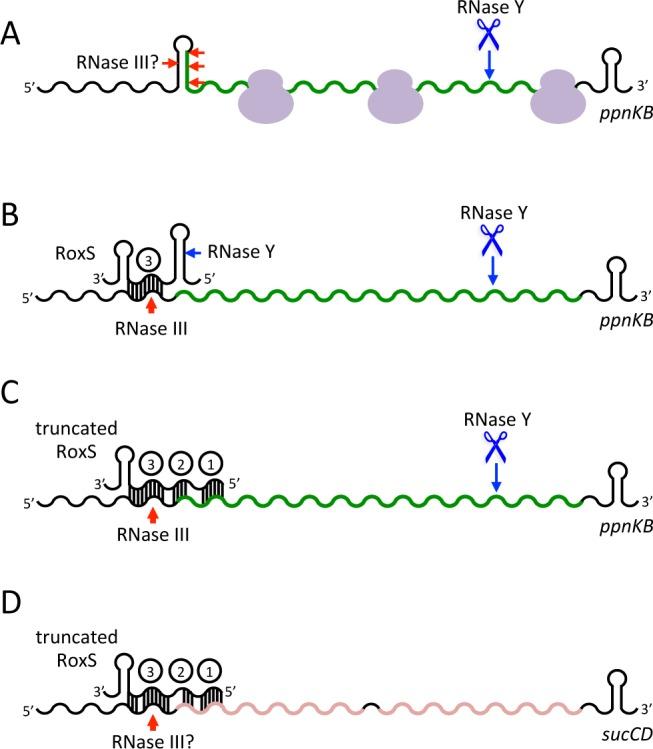
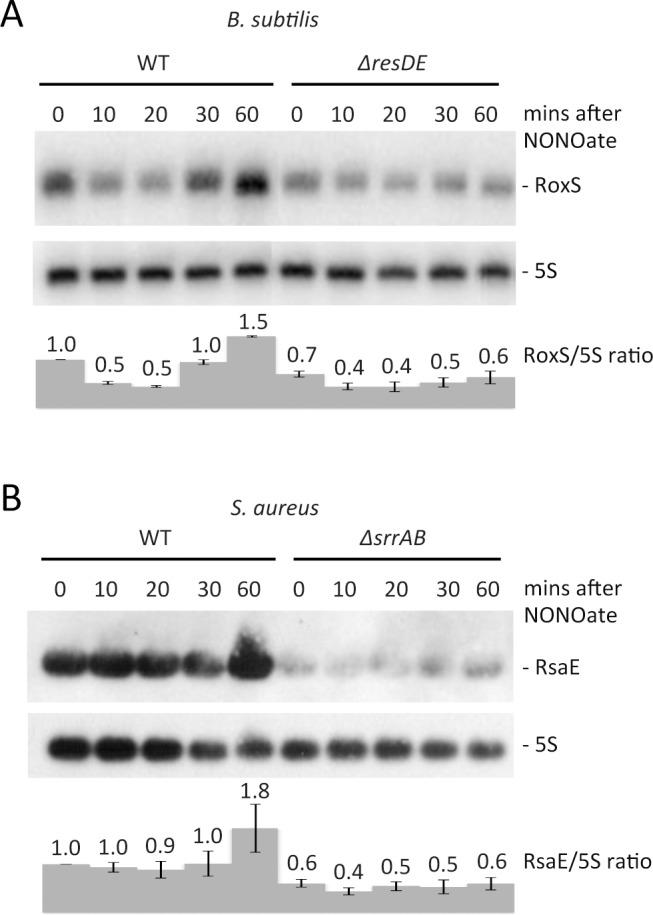
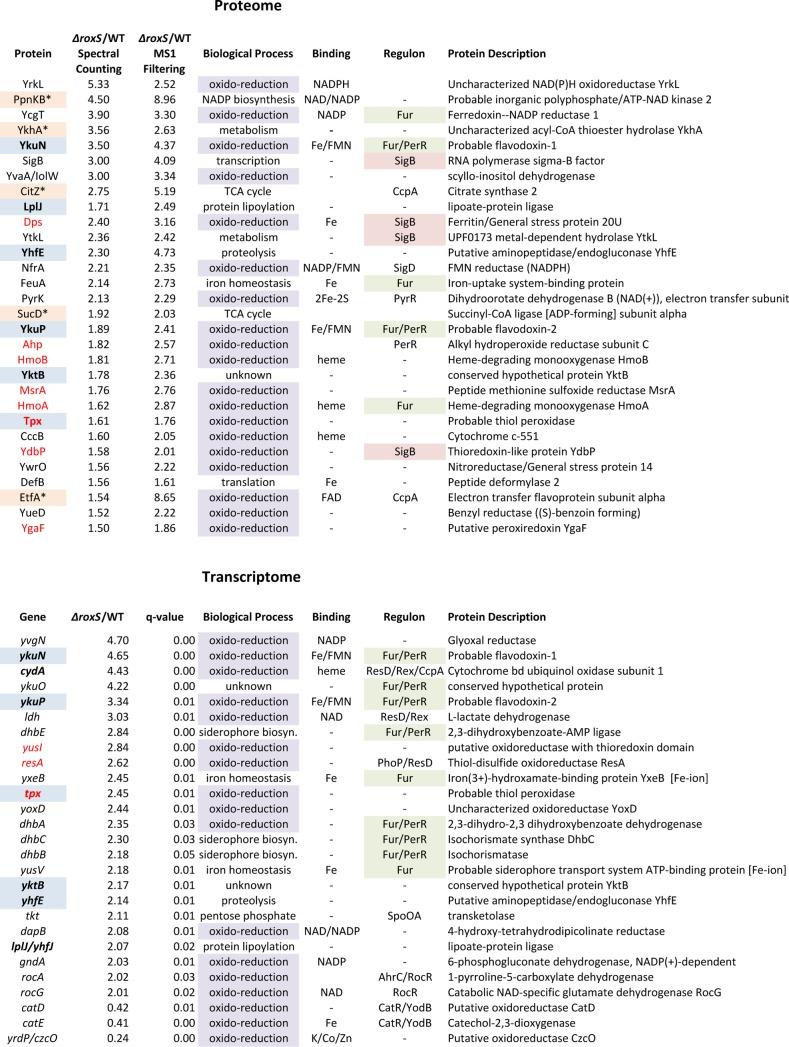
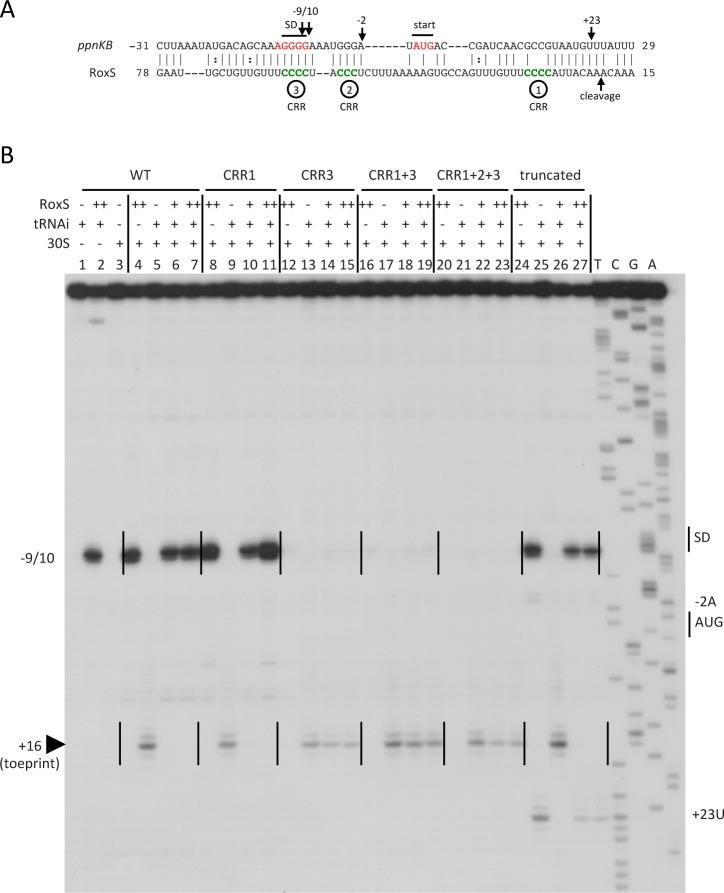
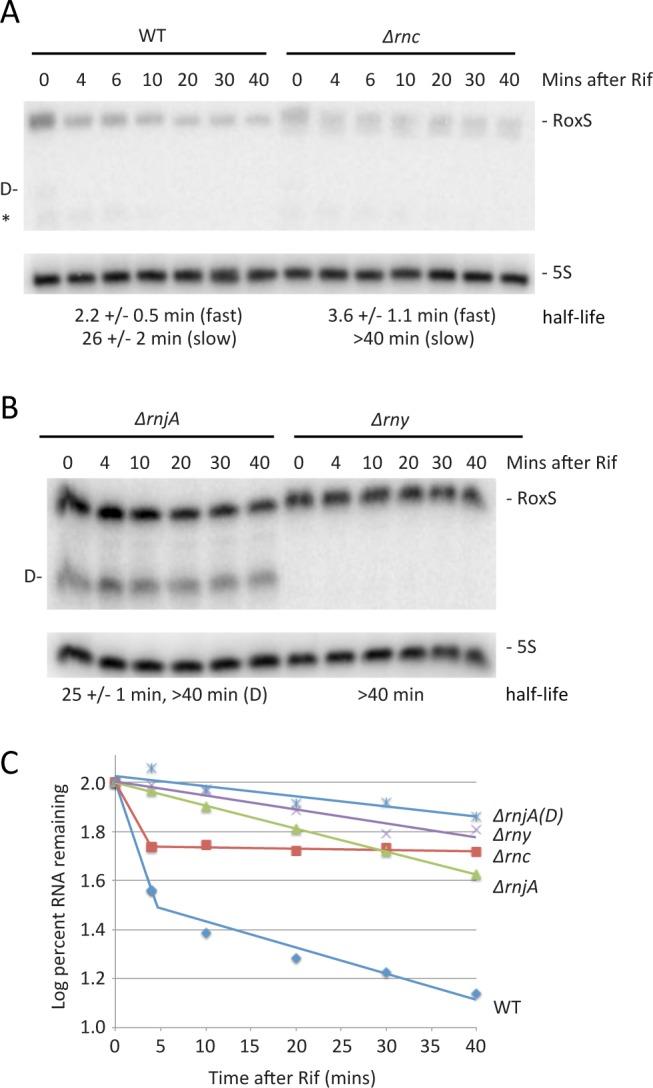
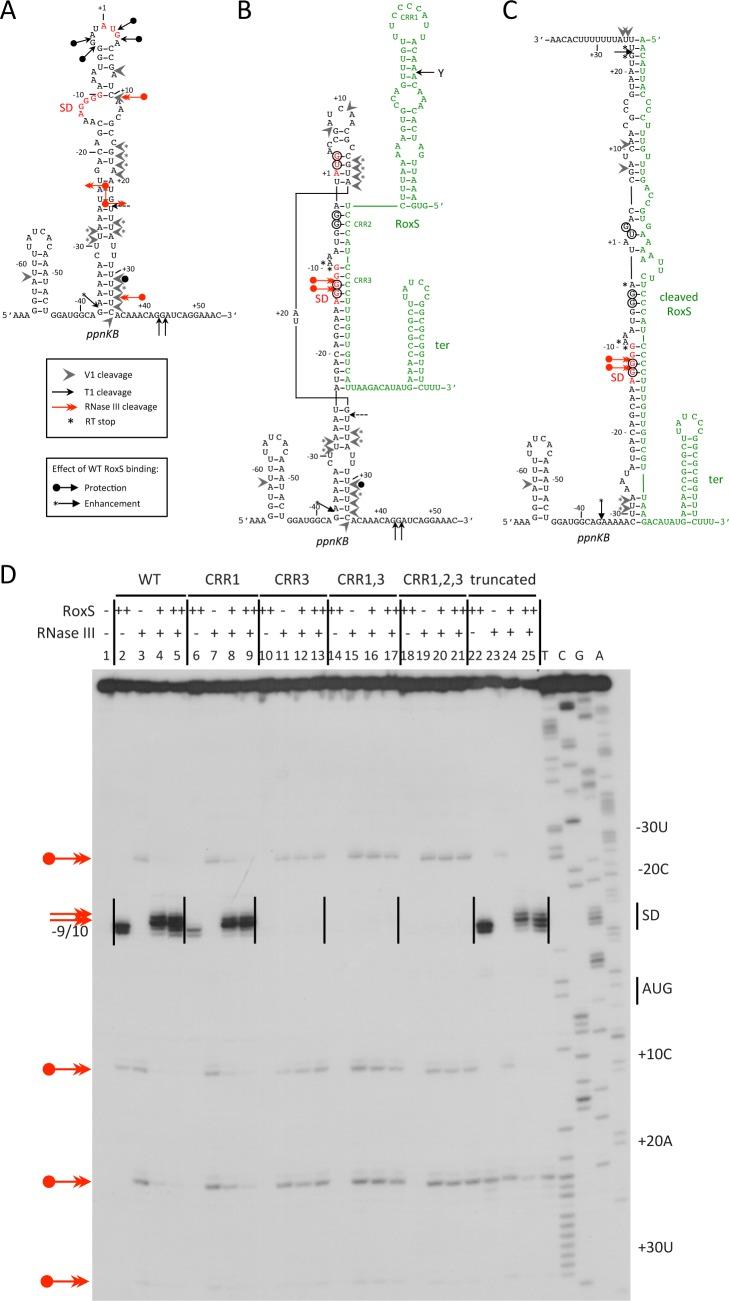
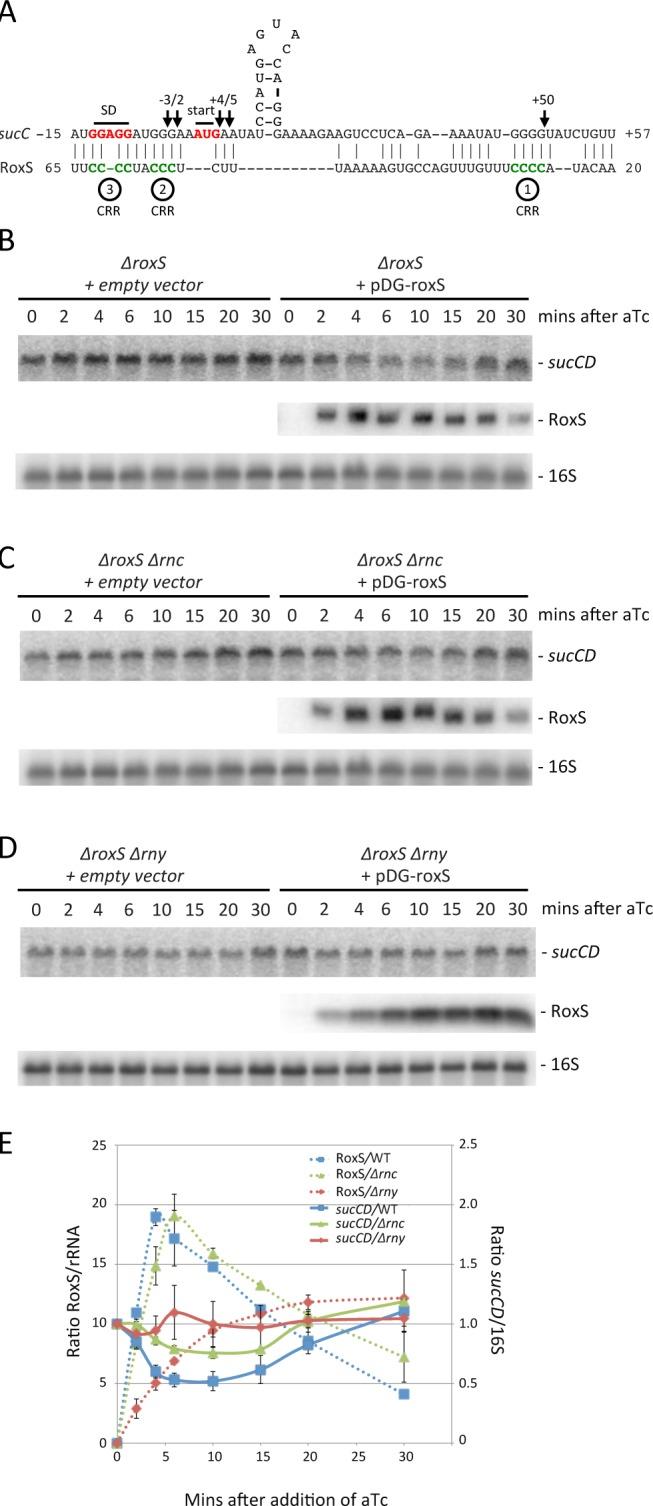
RsaE is the only known trans-acting small regulatory RNA (sRNA) besides the ubiquitous 6S RNA that is conserved between the human pathogen Staphylococcus aureus and the soil-dwelling Firmicute Bacillus subtilis. Although a number of RsaE targets are known in S. aureus, neither the environmental signals that lead to its expression nor its physiological role are known. Here we show that expression of the B. subtilis homolog of RsaE is regulated by the presence of nitric oxide (NO) in the cellular milieu. Control of expression by NO is dependent on the ResDE two-component system in B. subtilis and we determined that the same is true in S. aureus. Transcriptome and proteome analyses revealed that many genes with functions related to oxidative stress and oxidation-reduction reactions were up-regulated in a B. subtilis strain lacking this sRNA. We have thus renamed it RoxS. The prediction of RoxS-dependent mRNA targets also suggested a significant enrichment for mRNAs related to respiration and electron transfer. Among the potential direct mRNA targets, we have validated the ppnKB mRNA, encoding an NAD+/NADH kinase, both in vivo and in vitro. RoxS controls both translation initiation and the stability of this transcript, in the latter case via two independent pathways implicating RNase Y and RNase III. Furthermore, RNase Y intervenes at an additional level by processing the 5' end of the RoxS sRNA removing about 20 nucleotides. Processing of RoxS allows it to interact more efficiently with a second target, the sucCD mRNA, encoding succinyl-CoA synthase, thus expanding the repertoire of targets recognized by this sRNA.
除了普遍存在的6S RNA外,RsaE是已知的唯一一种在人类病原体金黄色葡萄球菌和土壤栖居的革兰氏阳性菌枯草芽孢杆菌之间保守的反式作用小调控RNA(sRNA)。尽管在金黄色葡萄球菌中已知多个RsaE靶标,但导致其表达的环境信号及其生理作用均不清楚。在这里,我们表明枯草芽孢杆菌中RsaE同源物的表达受细胞环境中一氧化氮(NO)的存在调控。NO对表达的控制依赖于枯草芽孢杆菌中的ResDE双组分系统,我们确定在金黄色葡萄球菌中也是如此。转录组和蛋白质组分析表明,在缺乏这种sRNA的枯草芽孢杆菌菌株中,许多与氧化应激和氧化还原反应相关的基因被上调。因此,我们将其重新命名为RoxS。对RoxS依赖性mRNA靶标的预测还表明,与呼吸和电子传递相关的mRNA有显著富集。在潜在的直接mRNA靶标中,我们在体内和体外都验证了编码NAD+/NADH激酶的ppnKB mRNA。RoxS控制该转录本的翻译起始和稳定性,在后一种情况下通过涉及RNase Y和RNase III的两个独立途径。此外,RNase Y通过加工RoxS sRNA的5'末端去除约20个核苷酸,在另一个水平上发挥作用。RoxS的加工使其能够更有效地与第二个靶标相互作用,即编码琥珀酰辅酶A合成酶的sucCD mRNA,从而扩大了这种sRNA识别的靶标范围。




 Zotero 插件