
外阴上皮内瘤变常见类型——从过去到未来。
VIN usual type-from the past to the future.
作者信息
Preti Mario, Igidbashian Sarah, Costa Silvano, Cristoforoni Paolo, Mariani Luciano, Origoni Massimo, Sandri Maria T, Boveri Sara, Spolti Noemi, Spinaci Laura, Sanvito Francesca, Preti Eleonora P, Falasca Adriana, Radici Gianluigi, Micheletti Leonardo
机构信息
Preventive Gynecology Unit, European Institute of Oncology, Milano 20100, Italy ; The Italian HPV Study Group (IHSG).
Preventive Gynecology Unit, European Institute of Oncology, Milano 20100, Italy.
出版信息
Ecancermedicalscience. 2015 Apr 29;9:531. doi: 10.3332/ecancer.2015.531. eCollection 2015.
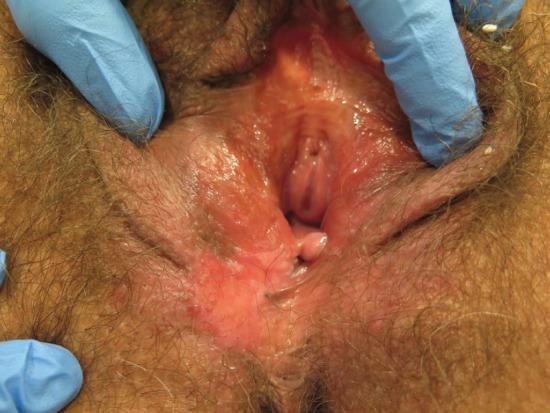
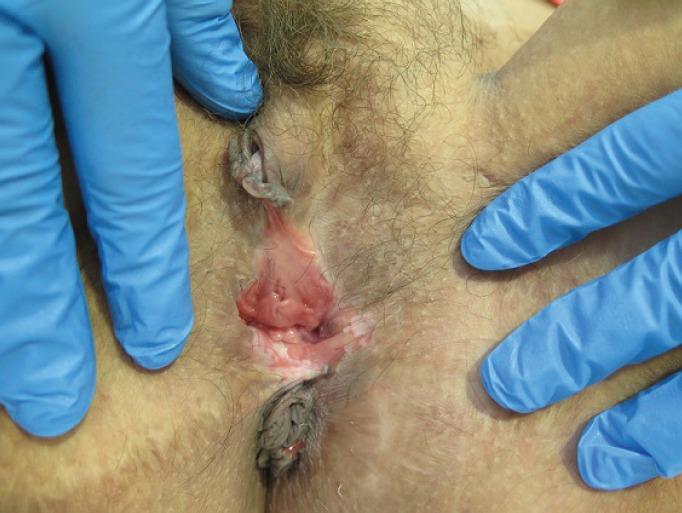
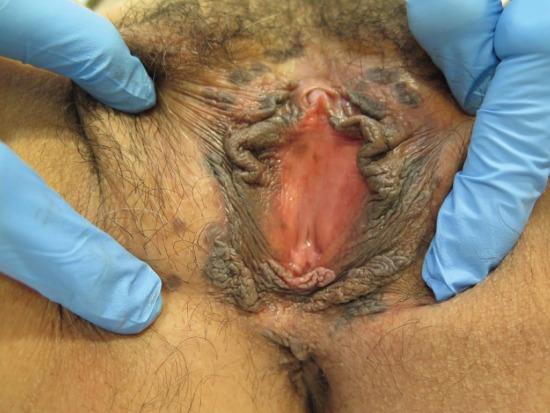
Usual vulvar intraepithelial neoplasia (uVIN) is the most common VIN type, generally related to a human papillomavirus (HPV) infection, predominantly type 16. The incidence of uVIN has been increasing over the last decades, and a bimodal peak is observed at the age of 40-44 and over 55 years. Almost 40% of patients with uVIN have a past, concomitant or future HPV-associated lesion of the lower genital tract. HPV-related malignancies are associated with a persistent HPV infection. The host immune response is of crucial importance in determining clearance or persistence of both HPV infections and HPV-related VIN. About 60% of the patients present with symptoms. Clinical features of uVIN vary in site, number, size, shape, colour, and thickness of lesions. Multicentric disease is often present. Most uVIN lesions are positive at immunohistochemistry to p16(ink4a) and p14(arf), but negative to p53. Irrespective of surgical treatment used, uVIN recurrence rates are high. Positive margins do not predict the development of invasive disease and the need to re-excide the tissue around the scare remains to be demonstrated. Therefore, considering the low progression rate of uVIN and psycosexual sequelae, treatments should be as conservative as possible. Medical treatments available are mainly based on immunotherapy to induce normalisation of immune cell count in uVIN. None are approved by the food and drug administration (FDA) for the treatment of uVIN. If medical treatment is performed, adequate biopsies are required to reduce the risk of unrecognised invasive disease. Some studies suggest that failure to respond to immunotherapy might be related to a local immunosuppressive microenvironment, but knowledge of the uVIN microenvironment is limited. Moreover, our knowledge of the potential mechanisms involved in the escape of HPV-induced lesions from the immune system has many gaps. HPV vaccines have been demonstrated to be effective in preventing uVIN, with 94.9% efficacy in the HPV-naive population, while studies on therapeutic vaccines are limited. The low incidence of VIN requires large multicentre studies to determine the best way to manage affected patients and to investigate the immunological characteristics of the 'vulvar microenviroment' which leads to the persistence of HPV.
寻常型外阴上皮内瘤变(uVIN)是最常见的VIN类型,通常与人类乳头瘤病毒(HPV)感染有关,主要是16型。在过去几十年中,uVIN的发病率一直在上升,在40 - 44岁和55岁以上出现双峰高峰。几乎40%的uVIN患者有过去、同时或未来下生殖道HPV相关病变。HPV相关恶性肿瘤与持续性HPV感染有关。宿主免疫反应在决定HPV感染和HPV相关VIN的清除或持续方面至关重要。约60%的患者有症状。uVIN的临床特征在病变的部位、数量、大小、形状、颜色和厚度方面各不相同。常存在多中心疾病。大多数uVIN病变在免疫组织化学中对p16(ink4a)和p14(arf)呈阳性,但对p53呈阴性。无论采用何种手术治疗,uVIN的复发率都很高。切缘阳性并不能预测侵袭性疾病的发生,且围绕瘢痕再次切除组织的必要性仍有待证实。因此,考虑到uVIN的低进展率和心理性后遗症,治疗应尽可能保守。现有的药物治疗主要基于免疫疗法以诱导uVIN中免疫细胞计数正常化。没有一种获得美国食品药品监督管理局(FDA)批准用于治疗uVIN。如果进行药物治疗,需要进行充分的活检以降低未识别的侵袭性疾病风险。一些研究表明,对免疫疗法无反应可能与局部免疫抑制微环境有关,但对uVIN微环境的了解有限。此外,我们对HPV诱导病变从免疫系统逃逸所涉及的潜在机制的了解存在许多空白。HPV疫苗已被证明在预防uVIN方面有效,在未感染HPV的人群中有效率为94.9%,而关于治疗性疫苗的研究有限。VIN的低发病率需要大型多中心研究来确定管理受影响患者的最佳方法,并研究导致HPV持续存在的“外阴微环境”的免疫学特征。


 Zotero 插件