
过氧化物酶体增殖物激活受体γ配体通过调节微小RNA-21减轻缺氧诱导的人肺动脉平滑肌细胞增殖。
PPARγ Ligands Attenuate Hypoxia-Induced Proliferation in Human Pulmonary Artery Smooth Muscle Cells through Modulation of MicroRNA-21.
作者信息
Green David E, Murphy Tamara C, Kang Bum-Yong, Searles Charles D, Hart C Michael
机构信息
Department of Medicine, Division of Pulmonary, Allergy, and Critical Care Medicine, Atlanta Veterans Affairs Medical Center / Emory University, Atlanta, GA, United States of America.
Department of Medicine, Division of Cardiology, Atlanta Veterans Affairs Medical Center / Emory University, Atlanta, GA, United States of America.
出版信息
PLoS One. 2015 Jul 24;10(7):e0133391. doi: 10.1371/journal.pone.0133391. eCollection 2015.
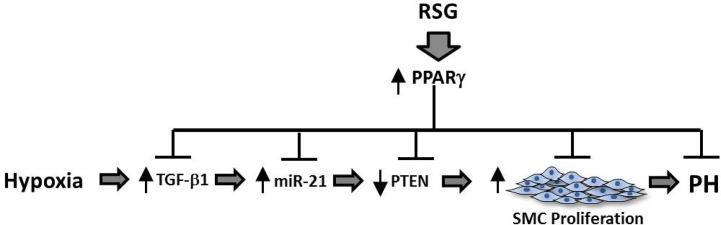
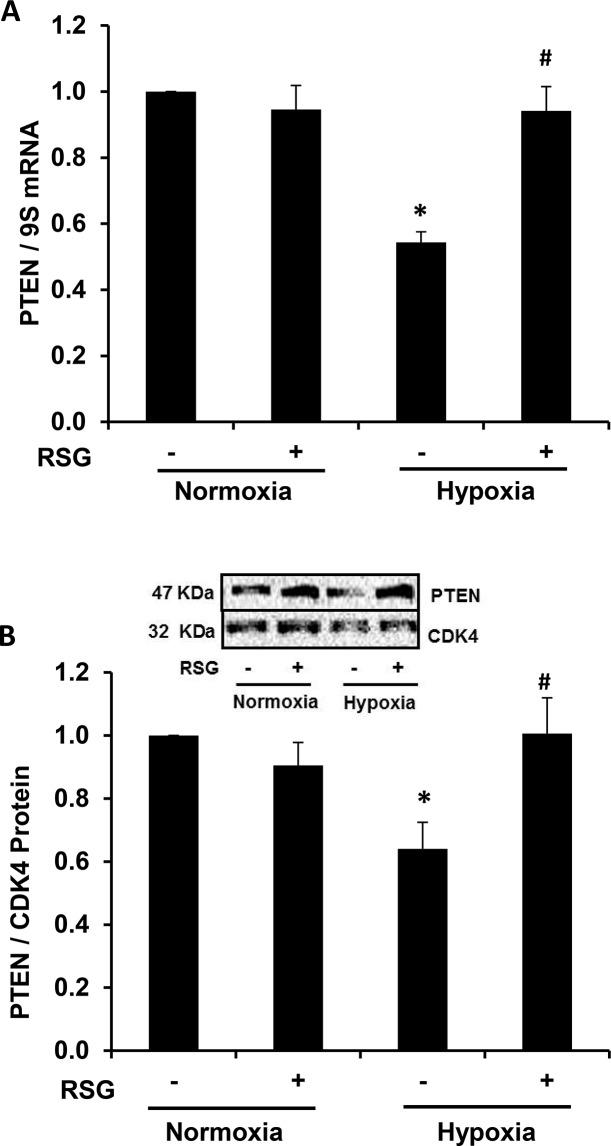
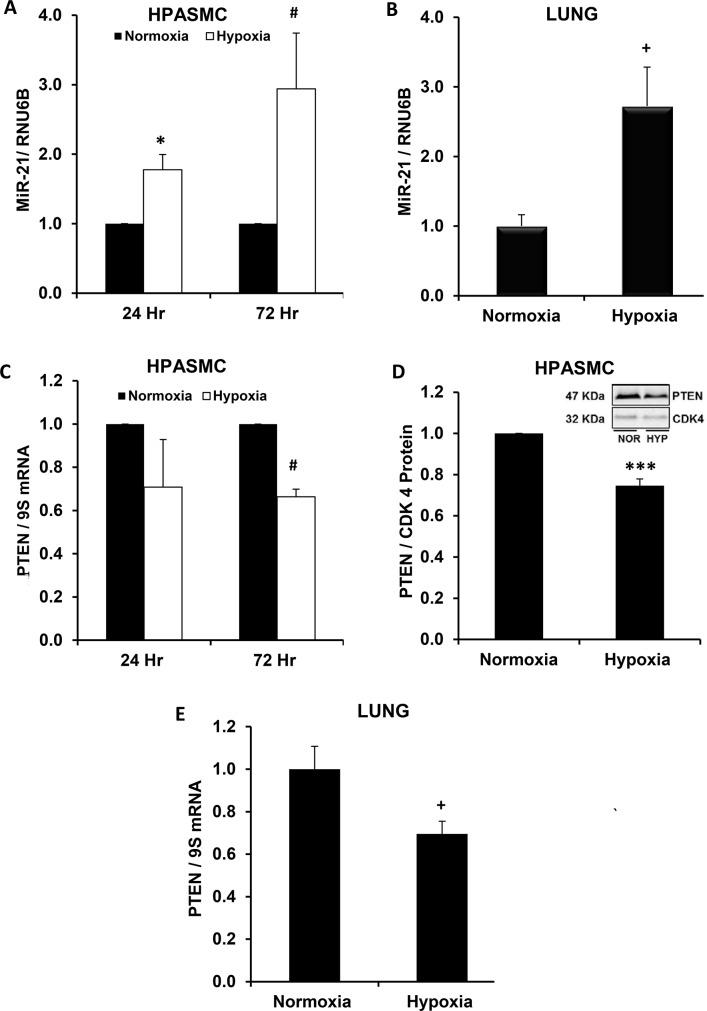
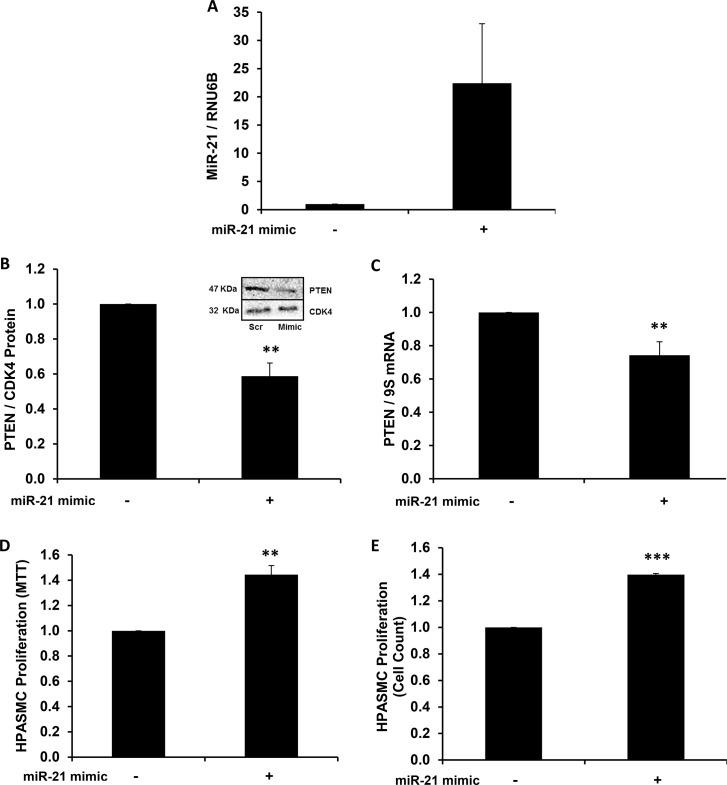
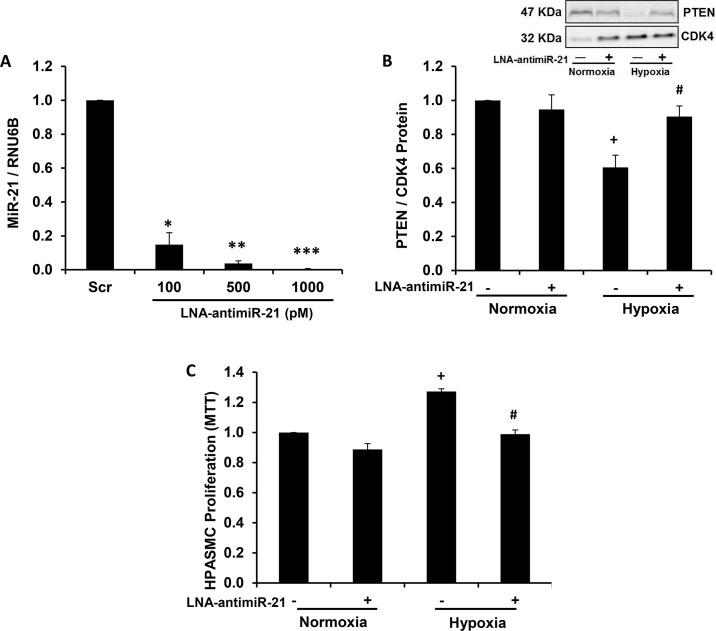
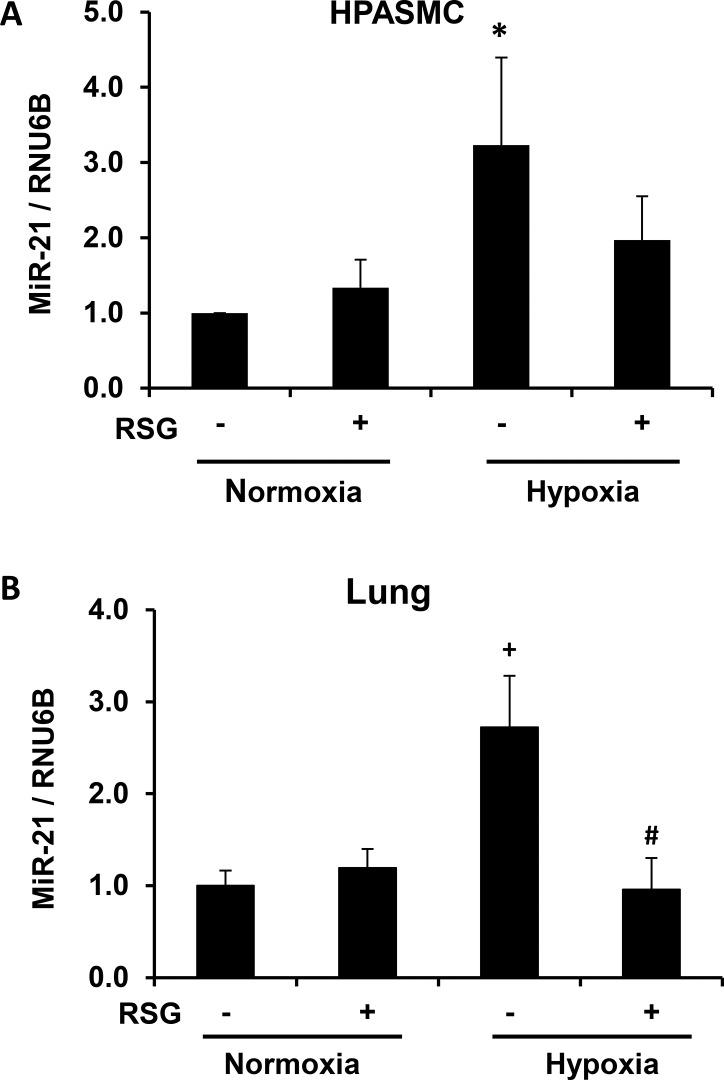
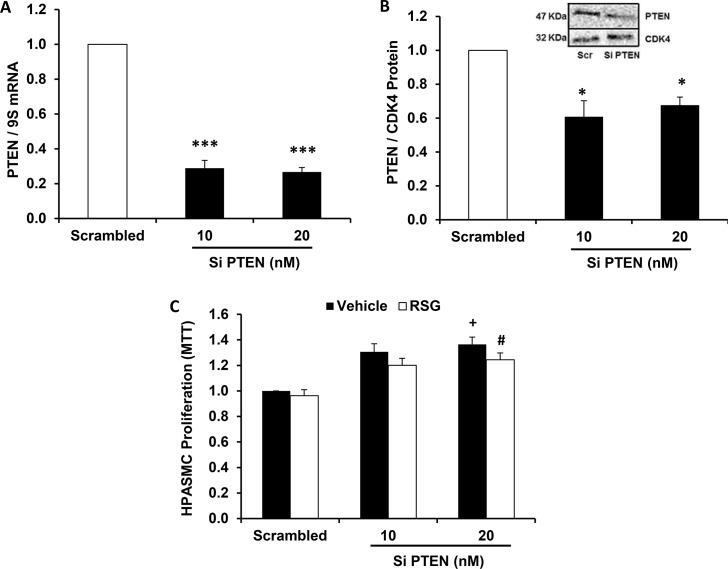
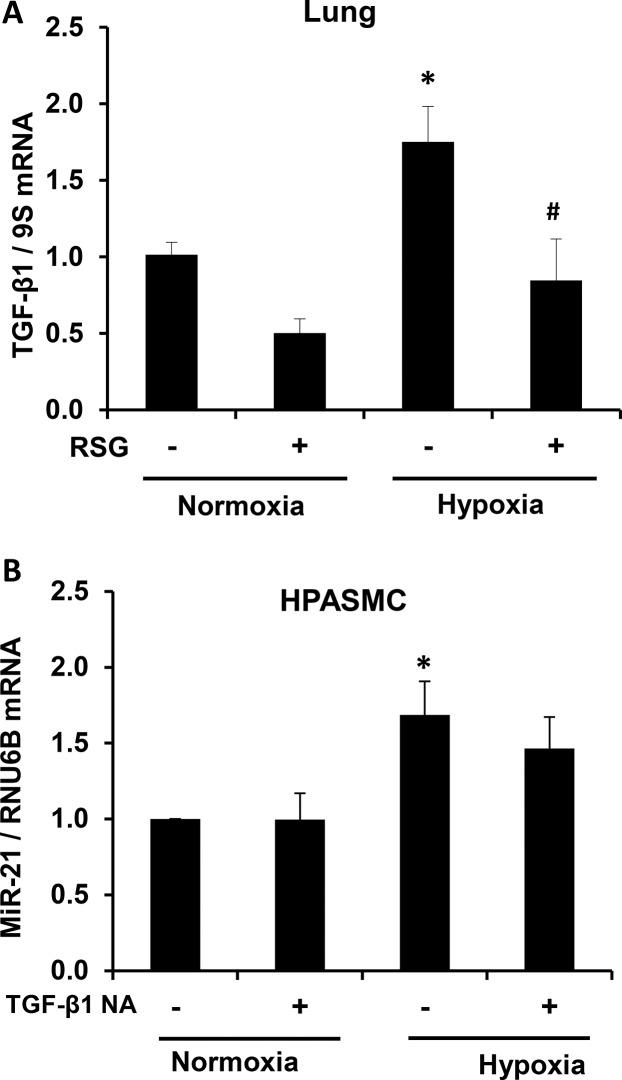
Pulmonary hypertension (PH) is a progressive and often fatal disorder whose pathogenesis involves pulmonary artery smooth muscle cell (PASMC) proliferation. Although modern PH therapies have significantly improved survival, continued progress rests on the discovery of novel therapies and molecular targets. MicroRNA (miR)-21 has emerged as an important non-coding RNA that contributes to PH pathogenesis by enhancing vascular cell proliferation, however little is known about available therapies that modulate its expression. We previously demonstrated that peroxisome proliferator-activated receptor gamma (PPARγ) agonists attenuated hypoxia-induced HPASMC proliferation, vascular remodeling and PH through pleiotropic actions on multiple targets, including transforming growth factor (TGF)-β1 and phosphatase and tensin homolog deleted on chromosome 10 (PTEN). PTEN is a validated target of miR-21. We therefore hypothesized that antiproliferative effects conferred by PPARγ activation are mediated through inhibition of hypoxia-induced miR-21 expression. Human PASMC monolayers were exposed to hypoxia then treated with the PPARγ agonist, rosiglitazone (RSG,10 μM), or in parallel, C57Bl/6J mice were exposed to hypoxia then treated with RSG. RSG attenuated hypoxic increases in miR-21 expression in vitro and in vivo and abrogated reductions in PTEN and PASMC proliferation. Antiproliferative effects of RSG were lost following siRNA-mediated PTEN depletion. Furthermore, miR-21 mimic decreased PTEN and stimulated PASMC proliferation, whereas miR-21 inhibition increased PTEN and attenuated hypoxia-induced HPASMC proliferation. Collectively, these results demonstrate that PPARγ ligands regulate proliferative responses to hypoxia by preventing hypoxic increases in miR-21 and reductions in PTEN. These findings further clarify molecular mechanisms that support targeting PPARγ to attenuate pathogenic derangements in PH.
肺动脉高压(PH)是一种进行性且通常致命的疾病,其发病机制涉及肺动脉平滑肌细胞(PASMC)增殖。尽管现代PH疗法显著提高了生存率,但持续的进展依赖于新型疗法和分子靶点的发现。微小RNA(miR)-21已成为一种重要的非编码RNA,它通过增强血管细胞增殖促进PH发病机制,但关于调节其表达的现有疗法知之甚少。我们之前证明过氧化物酶体增殖物激活受体γ(PPARγ)激动剂通过对多个靶点(包括转化生长因子(TGF)-β1和10号染色体上缺失的磷酸酶和张力蛋白同源物(PTEN))的多效性作用,减轻缺氧诱导的HPASMC增殖、血管重塑和PH。PTEN是miR-21的一个已验证靶点。因此,我们假设PPARγ激活所赋予的抗增殖作用是通过抑制缺氧诱导的miR-21表达介导的。将人PASMC单层细胞暴露于缺氧环境,然后用PPARγ激动剂罗格列酮(RSG,10 μM)处理,或者同时,将C57Bl/6J小鼠暴露于缺氧环境,然后用RSG处理。RSG在体外和体内均减轻了缺氧引起的miR-21表达增加,并消除了PTEN和PASMC增殖的减少。在siRNA介导的PTEN缺失后,RSG的抗增殖作用丧失。此外,miR-21模拟物降低了PTEN并刺激了PASMC增殖,而miR-21抑制增加了PTEN并减轻了缺氧诱导的HPASMC增殖。总体而言,这些结果表明PPARγ配体通过防止缺氧引起的miR-21增加和PTEN减少来调节对缺氧的增殖反应。这些发现进一步阐明了支持靶向PPARγ以减轻PH致病紊乱的分子机制。
 Zotero 插件