
基于模型的餐后状态下葡萄糖与脂肪酸之间全身相互作用的定量分析
Model-Based Quantification of the Systemic Interplay between Glucose and Fatty Acids in the Postprandial State.
作者信息
Sips Fianne L P, Nyman Elin, Adiels Martin, Hilbers Peter A J, Strålfors Peter, van Riel Natal A W, Cedersund Gunnar
机构信息
Department of Biomedical Engineering, Eindhoven University of Technology, Postbus 513, 5600 MB, Eindhoven, The Netherlands.
Department of Biomedical Engineering, Linköping University, SE-58185, Linköping, Sweden; CVMD iMED DMPK AstraZeneca R&D, 431 83, Mölndal, Sweden.
出版信息
PLoS One. 2015 Sep 10;10(9):e0135665. doi: 10.1371/journal.pone.0135665. eCollection 2015.
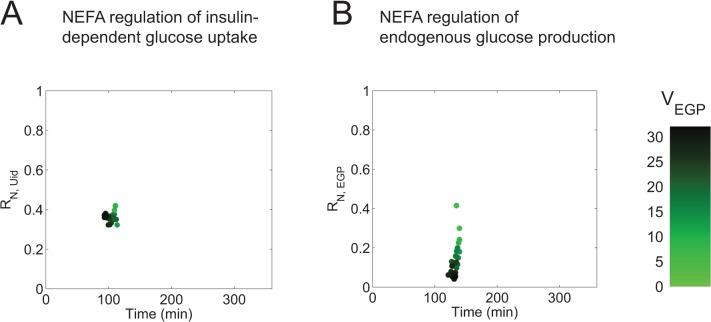
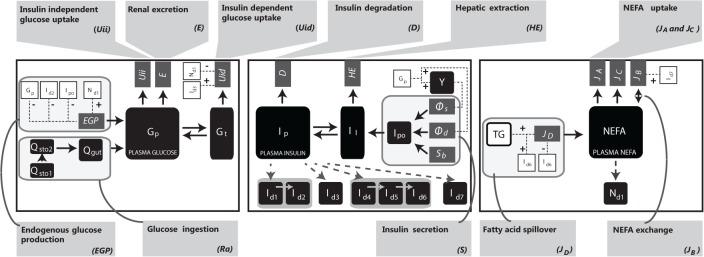
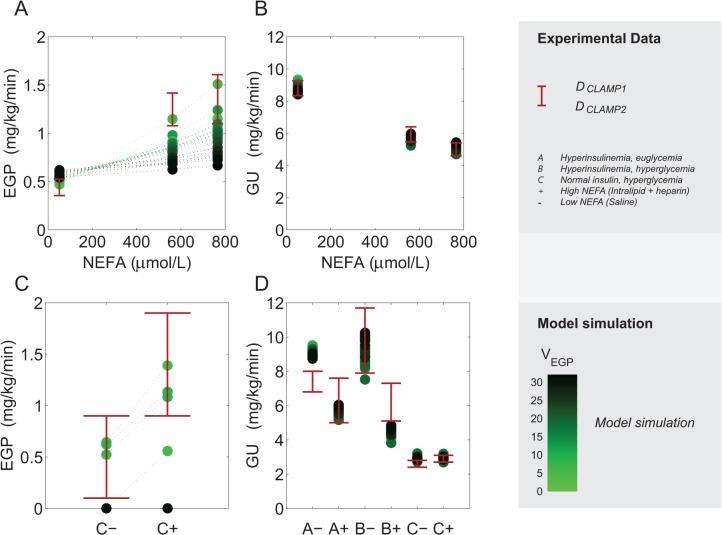
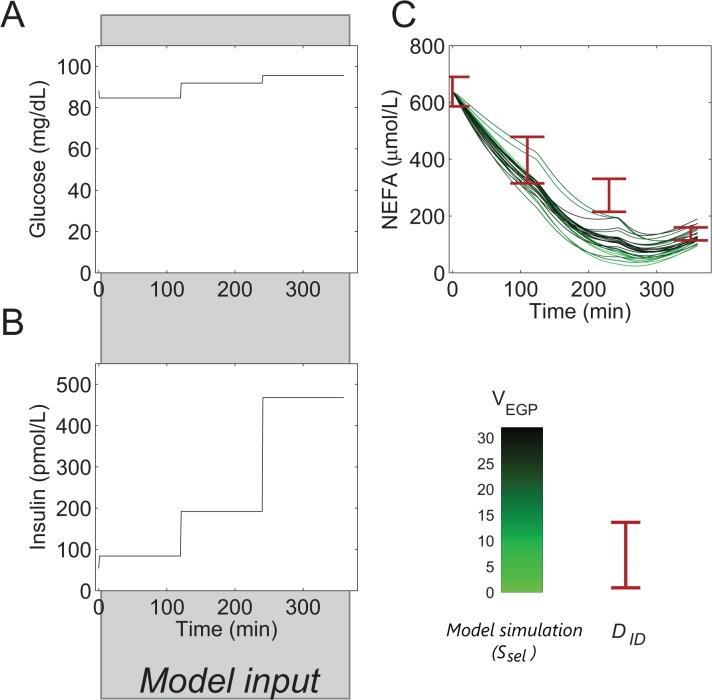
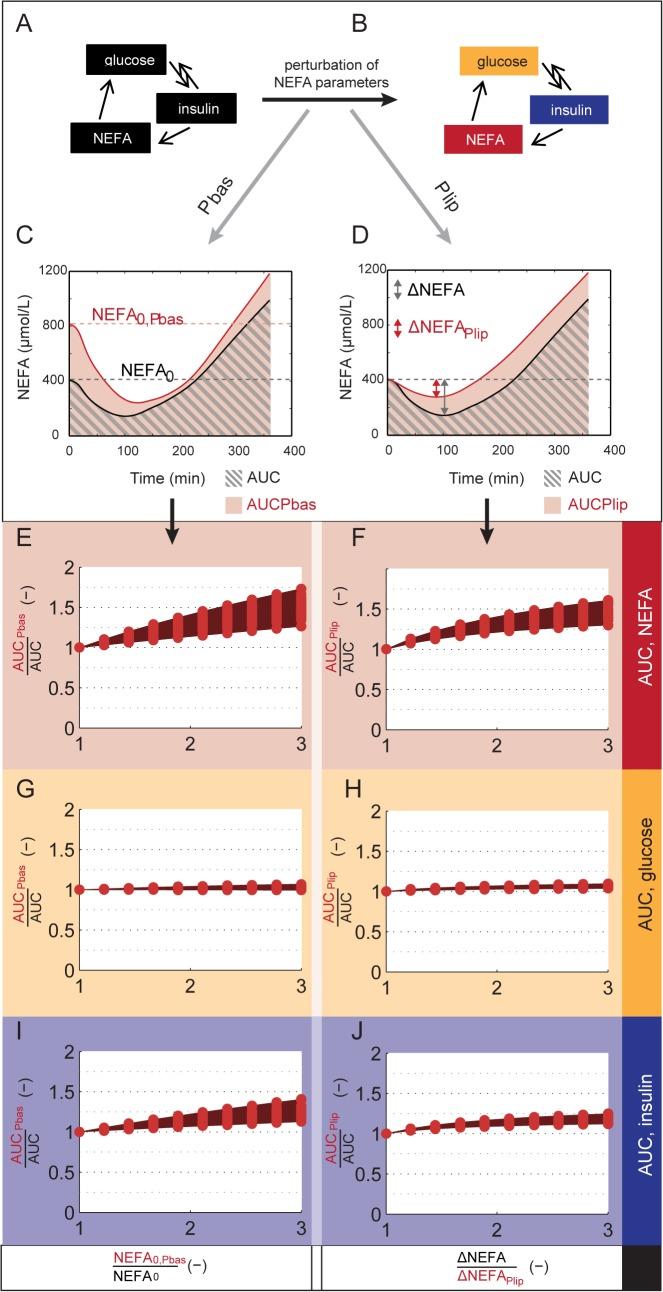
In metabolic diseases such as Type 2 Diabetes and Non-Alcoholic Fatty Liver Disease, the systemic regulation of postprandial metabolite concentrations is disturbed. To understand this dysregulation, a quantitative and temporal understanding of systemic postprandial metabolite handling is needed. Of particular interest is the intertwined regulation of glucose and non-esterified fatty acids (NEFA), due to the association between disturbed NEFA metabolism and insulin resistance. However, postprandial glucose metabolism is characterized by a dynamic interplay of simultaneously responding regulatory mechanisms, which have proven difficult to measure directly. Therefore, we propose a mathematical modelling approach to untangle the systemic interplay between glucose and NEFA in the postprandial period. The developed model integrates data of both the perturbation of glucose metabolism by NEFA as measured under clamp conditions, and postprandial time-series of glucose, insulin, and NEFA. The model can describe independent data not used for fitting, and perturbations of NEFA metabolism result in an increased insulin, but not glucose, response, demonstrating that glucose homeostasis is maintained. Finally, the model is used to show that NEFA may mediate up to 30-45% of the postprandial increase in insulin-dependent glucose uptake at two hours after a glucose meal. In conclusion, the presented model can quantify the systemic interactions of glucose and NEFA in the postprandial state, and may therefore provide a new method to evaluate the disturbance of this interplay in metabolic disease.
在2型糖尿病和非酒精性脂肪性肝病等代谢性疾病中,餐后代谢物浓度的全身调节受到干扰。为了理解这种调节异常,需要对全身餐后代谢物处理进行定量和时间上的了解。由于游离脂肪酸(NEFA)代谢紊乱与胰岛素抵抗之间的关联,葡萄糖和游离脂肪酸(NEFA)的相互调节尤其令人关注。然而,餐后葡萄糖代谢的特点是同时响应的调节机制之间存在动态相互作用,事实证明直接测量这些机制很困难。因此,我们提出一种数学建模方法来理清餐后葡萄糖和NEFA之间的全身相互作用。所开发的模型整合了在钳夹条件下测量的NEFA对葡萄糖代谢的扰动数据,以及葡萄糖、胰岛素和NEFA的餐后时间序列数据。该模型可以描述未用于拟合的独立数据,并且NEFA代谢的扰动会导致胰岛素反应增加,但不会导致葡萄糖反应增加,这表明葡萄糖稳态得以维持。最后,该模型用于表明,在进食葡萄糖餐后两小时,NEFA可能介导高达30 - 45%的餐后胰岛素依赖性葡萄糖摄取增加。总之,所提出的模型可以量化餐后状态下葡萄糖和NEFA的全身相互作用,因此可能提供一种新方法来评估代谢疾病中这种相互作用的紊乱情况。



 Zotero 插件