
脑缺血/再灌注期间MAPK/ERK与PI3K/AKT信号通路之间的相互作用
Crosstalk Between MAPK/ERK and PI3K/AKT Signal Pathways During Brain Ischemia/Reperfusion.
作者信息
Zhou Jing, Du Ting, Li Baoman, Rong Yan, Verkhratsky Alexei, Peng Liang
机构信息
Laboratory of Metabolic Brain Diseases, Institute of Metabolic Disease Research and Drug Development, China Medical University, Shenyang, P. R. China.
Faculty of Life Science, The University of Manchester, UK Achucarro Center for Neuroscience, IKERBASQUE, Basque Foundation for Science, Bilbao, Spain University of Nizhny Novgorod, Russia.
出版信息
ASN Neuro. 2015 Oct 6;7(5). doi: 10.1177/1759091415602463. Print 2015 Sep-Oct.
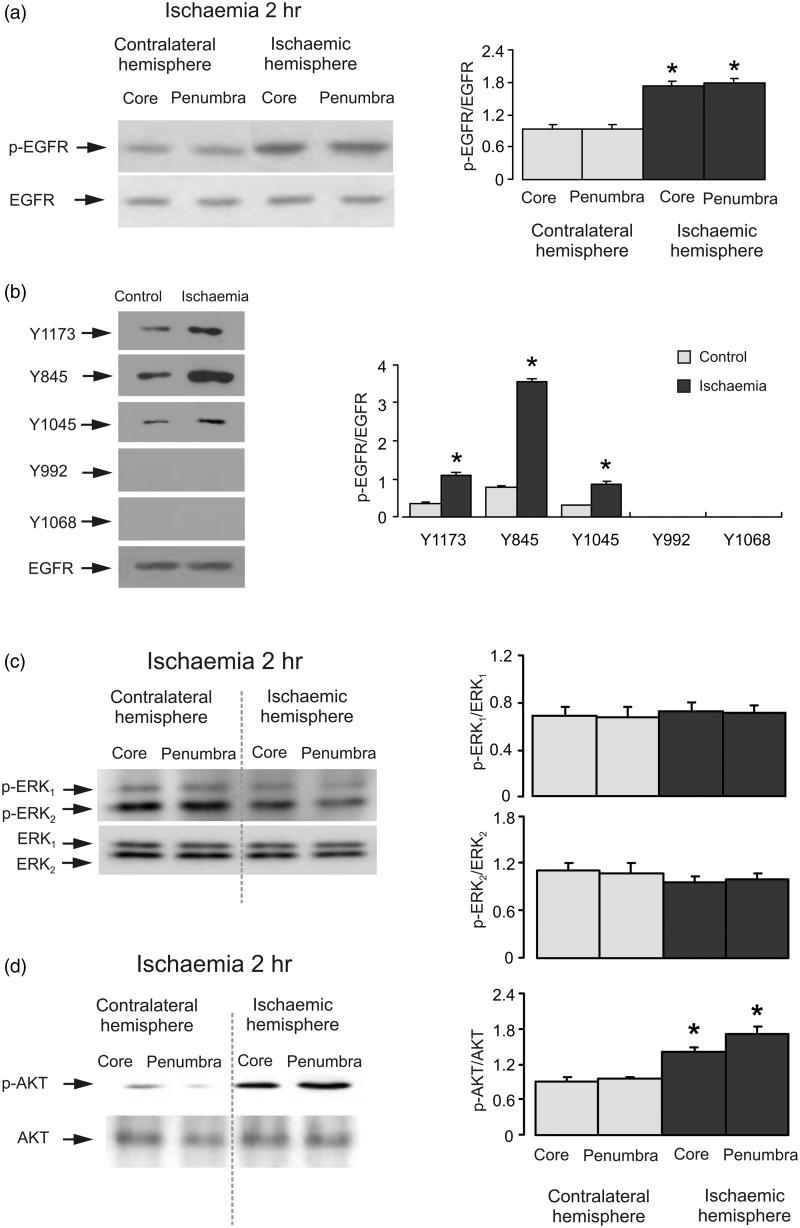
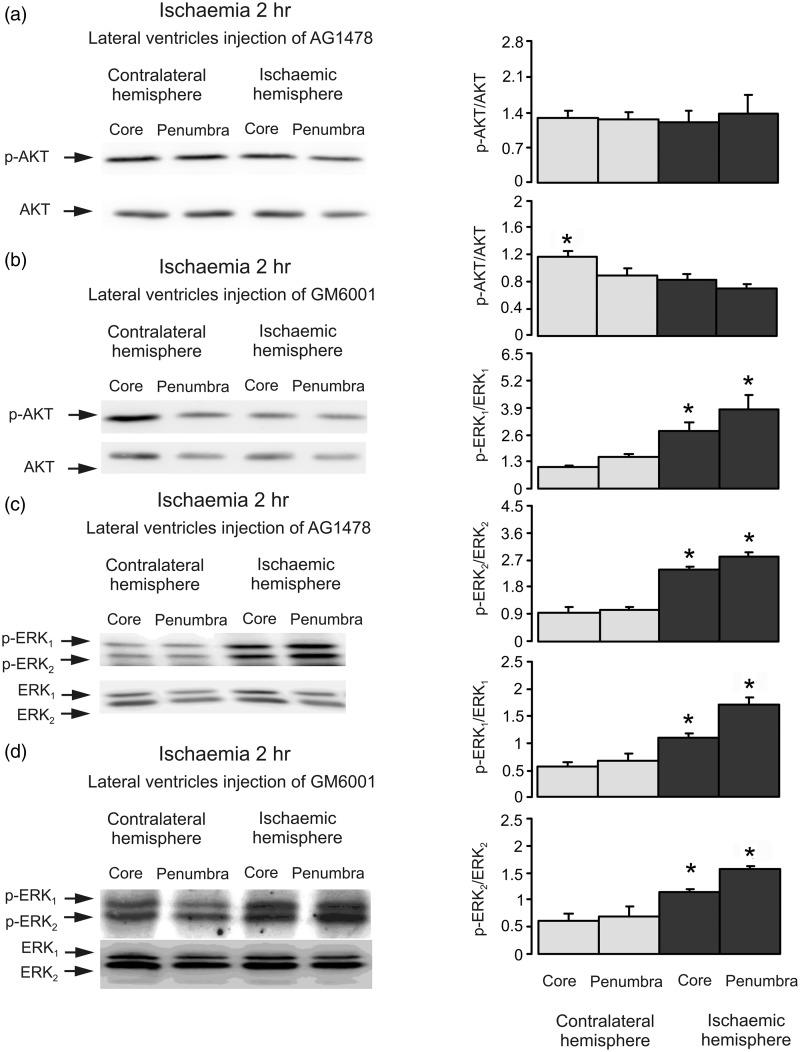
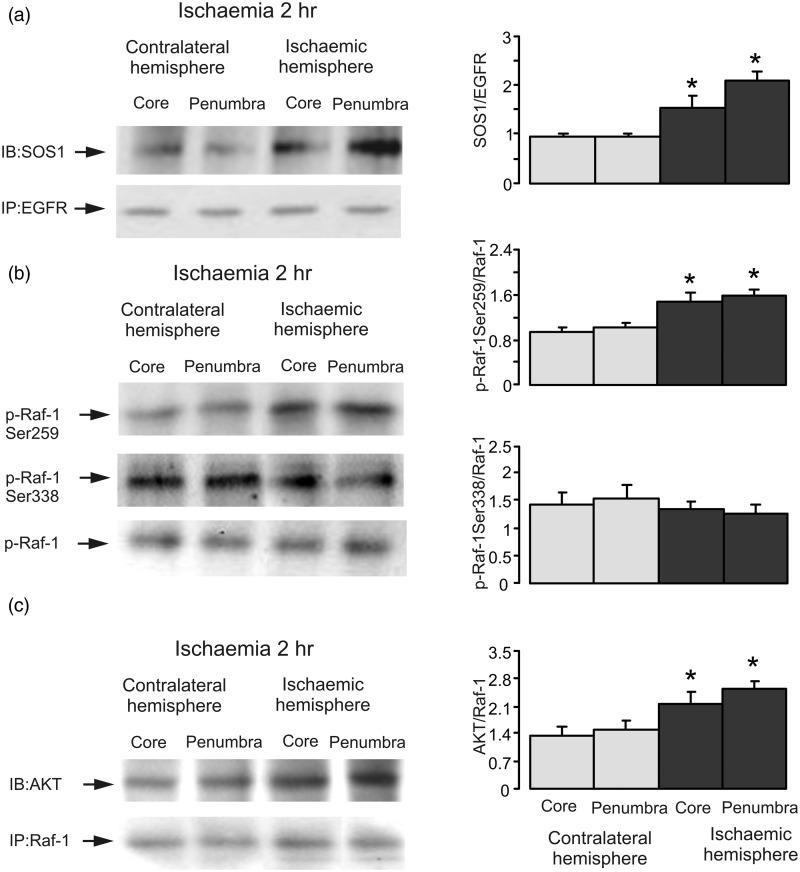
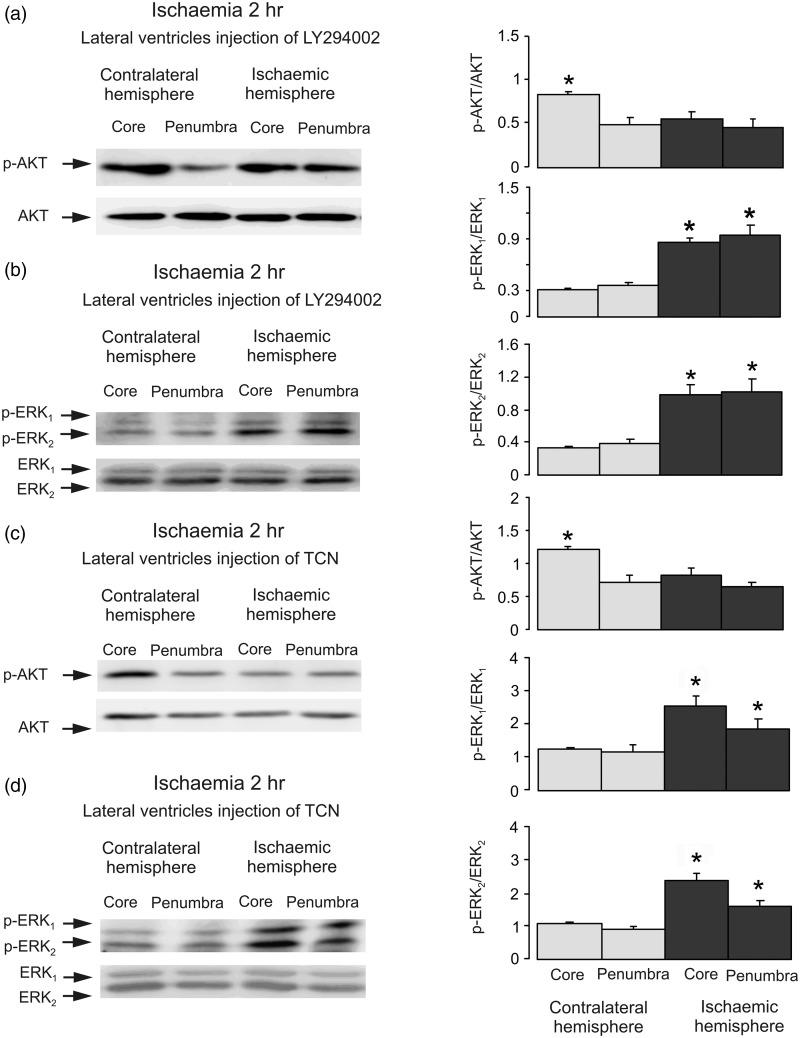
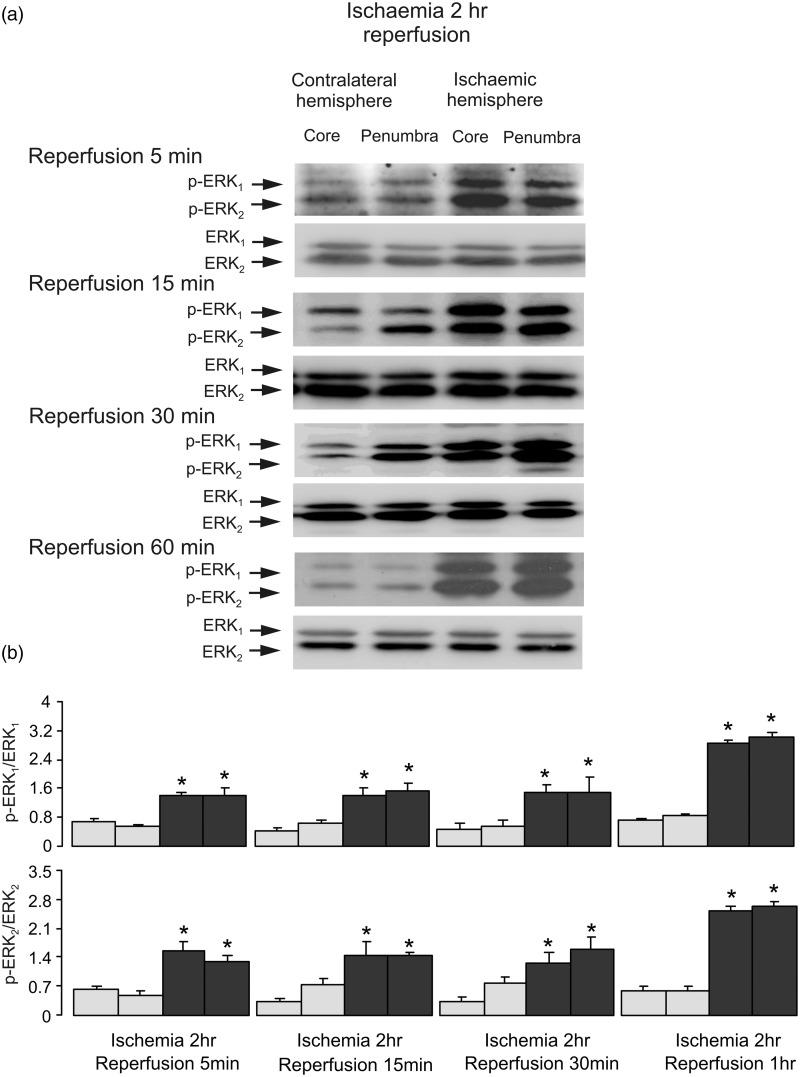
The epidermal growth factor receptor (EGFR) is linked to the phosphatidylinositol 3-kinase (PI3K)/protein kinase B (AKT) and Raf/mitogen-activated protein kinase (MAPK)/extracellular signal-regulated kinase (ERK1/2) signaling pathways. During brain ischemia/reperfusion, EGFR could be transactivated, which stimulates these intracellular signaling cascades that either protect cells or potentiate cell injury. In the present study, we investigated the activation of EGFR, PI3K/AKT, and Raf/MAPK/ERK1/2 during ischemia or reperfusion of the brain using the middle cerebral artery occlusion model. We found that EGFR was phosphorylated and transactivated during both ischemia and reperfusion periods. During ischemia, the activity of PI3K/AKT pathway was significantly increased, as judged from the strong phosphorylation of AKT; this activation was suppressed by the inhibitors of EGFR and Zn-dependent metalloproteinase. Ischemia, however, did not induce ERK1/2 phosphorylation, which was dependent on reperfusion. Coimmunoprecipitation of Son of sevenless 1 (SOS1) with EGFR showed increased association between the receptor and SOS1 in ischemia, indicating the inhibitory node downstream of SOS1. The inhibitory phosphorylation site of Raf-1 at Ser259, but not its stimulatory phosphorylation site at Ser338, was phosphorylated during ischemia. Furthermore, ischemia prompted the interaction between Raf-1 and AKT, while both the inhibitors of PI3K and AKT not only abolished AKT phosphorylation but also restored ERK1/2 phosphorylation. All these findings suggest that Raf/MAPK/ERK1/2 signal pathway is inhibited by AKT via direct phosphorylation and inhibition at Raf-1 node during ischemia. During reperfusion, we observed a significant increase of ERK1/2 phosphorylation but no change in AKT phosphorylation. Inhibitors of reactive oxygen species and phosphatase and tensin homolog restored AKT phosphorylation but abolished ERK1/2 phosphorylation, suggesting that the reactive oxygen species-dependent increase in phosphatase and tensin homolog activity in reperfusion period relieves ERK1/2 from inhibition of AKT.
表皮生长因子受体(EGFR)与磷脂酰肌醇3激酶(PI3K)/蛋白激酶B(AKT)以及Raf/丝裂原活化蛋白激酶(MAPK)/细胞外信号调节激酶(ERK1/2)信号通路相关联。在脑缺血/再灌注过程中,EGFR可被反式激活,进而刺激这些细胞内信号级联反应,这些反应要么保护细胞,要么加剧细胞损伤。在本研究中,我们使用大脑中动脉闭塞模型,研究了脑缺血或再灌注过程中EGFR、PI3K/AKT以及Raf/MAPK/ERK1/2的激活情况。我们发现,在缺血期和再灌注期EGFR均发生磷酸化并被反式激活。在缺血期间,根据AKT的强烈磷酸化判断,PI3K/AKT通路的活性显著增加;这种激活被EGFR抑制剂和锌依赖性金属蛋白酶所抑制。然而,缺血并未诱导ERK1/2磷酸化,ERK1/2磷酸化依赖于再灌注。Sevenless 1之子(SOS1)与EGFR的共免疫沉淀显示,缺血时受体与SOS1之间的关联增加,表明SOS1下游存在抑制节点。Raf-1在Ser259处的抑制性磷酸化位点而非Ser338处的刺激性磷酸化位点在缺血期间发生磷酸化。此外,缺血促使Raf-1与AKT相互作用,而PI3K和AKT的抑制剂不仅消除了AKT磷酸化,还恢复了ERK1/2磷酸化。所有这些发现表明,在缺血期间,Raf/MAPK/ERK1/2信号通路通过AKT在Raf-1节点处直接磷酸化和抑制而受到抑制。在再灌注期间,我们观察到ERK1/2磷酸化显著增加,但AKT磷酸化无变化。活性氧抑制剂以及磷酸酶和张力蛋白同源物恢复了AKT磷酸化,但消除了ERK1/2磷酸化,这表明再灌注期活性氧依赖性磷酸酶和张力蛋白同源物活性增加使ERK1/2从AKT的抑制中得以缓解。




 Zotero 插件