
易感和抗性鸡对传染性支气管炎病毒(IBV)感染的早期免疫反应。
The early immune response to infection of chickens with Infectious Bronchitis Virus (IBV) in susceptible and resistant birds.
作者信息
Smith Jacqueline, Sadeyen Jean-Remy, Cavanagh David, Kaiser Pete, Burt David W
机构信息
The Roslin Institute & R(D)SVS, University of Edinburgh, Easter Bush, Midlothian, EH25 9RG, UK.
The Pirbright Institute, Compton Laboratory, Compton, Berkshire, RG20 7NN, UK.
出版信息
BMC Vet Res. 2015 Oct 9;11:256. doi: 10.1186/s12917-015-0575-6.
BACKGROUND
Infectious Bronchitis is a highly contagious respiratory disease which causes tracheal lesions and also affects the reproductive tract and is responsible for large economic losses to the poultry industry every year. This is due to both mortality (either directly provoked by IBV itself or due to subsequent bacterial infection) and lost egg production. The virus is difficult to control by vaccination, so new methods to curb the impact of the disease need to be sought. Here, we seek to identify genes conferring resistance to this coronavirus, which could help in selective breeding programs to rear chickens which do not succumb to the effects of this disease.
METHODS
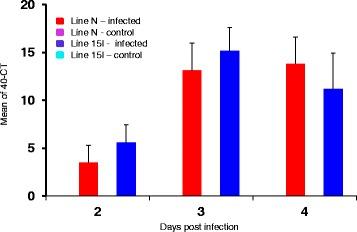
Whole genome gene expression microarrays were used to analyse the gene expression differences, which occur upon infection of birds with Infectious Bronchitis Virus (IBV). Tracheal tissue was examined from control and infected birds at 2, 3 and 4 days post-infection in birds known to be either susceptible or resistant to the virus. The host innate immune response was evaluated over these 3 days and differences between the susceptible and resistant lines examined.
RESULTS
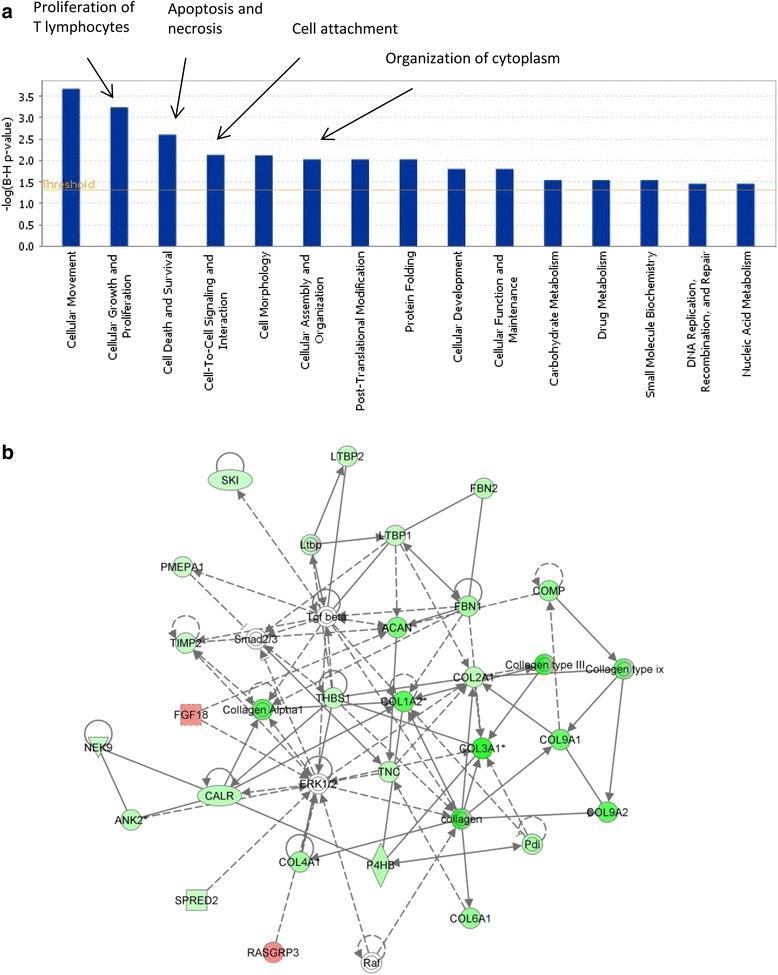
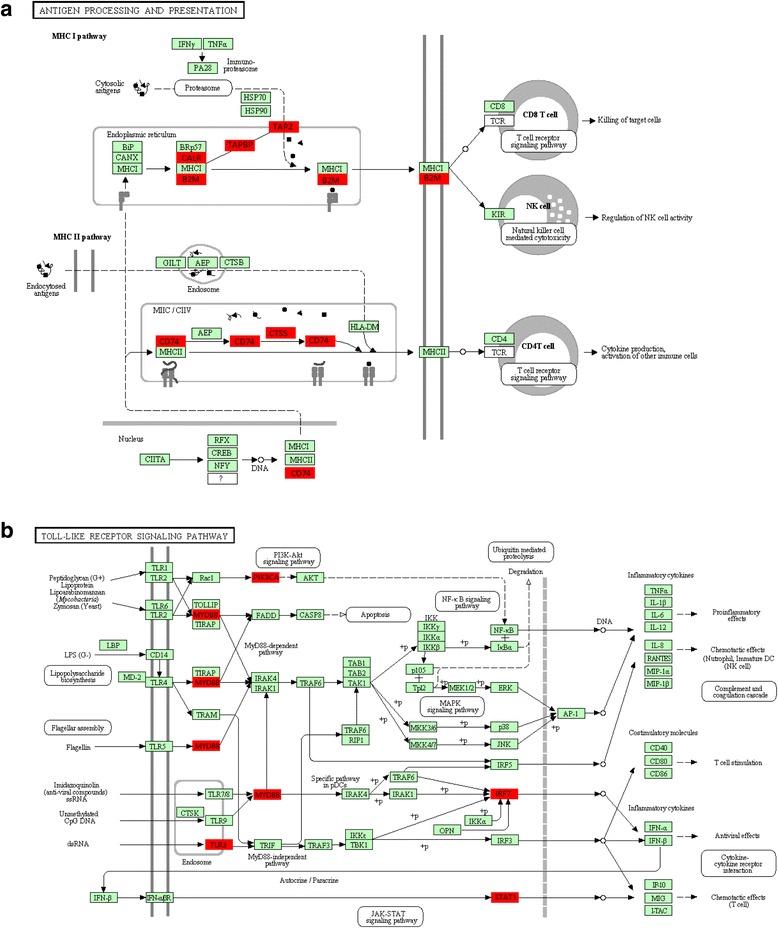
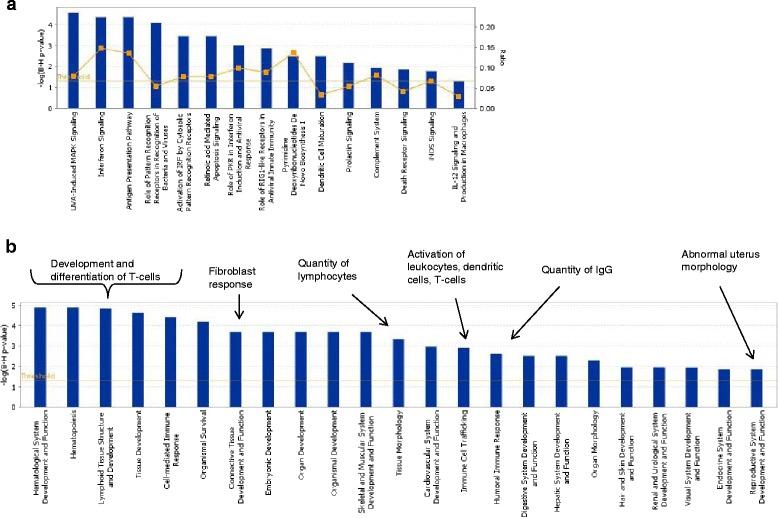
Genes and biological pathways involved in the early host response to IBV infection were determined andgene expression differences between susceptible and resistant birds were identified. Potential candidate genes for resistance to IBV are highlighted.
CONCLUSIONS
The early host response to IBV is analysed and potential candidate genes for disease resistance are identified. These putative resistance genes can be used as targets for future genetic and functional studies to prove a causative link with resistance to IBV.
背景
传染性支气管炎是一种高度传染性的呼吸道疾病,可导致气管病变,还会影响生殖道,每年给家禽业造成巨大经济损失。这是由于死亡率(要么由传染性支气管炎病毒本身直接引发,要么由于随后的细菌感染)和产蛋量损失所致。该病毒难以通过疫苗接种来控制,因此需要寻找新的方法来遏制该疾病的影响。在此,我们试图鉴定赋予对这种冠状病毒抗性的基因,这有助于在选择性育种计划中培育不易感染这种疾病的鸡。
方法
使用全基因组基因表达微阵列分析感染传染性支气管炎病毒(IBV)的鸟类在感染后基因表达的差异。在感染后第2、3和4天,从已知对该病毒易感或抗性的鸟类的对照和感染鸟类中检查气管组织。在这3天内评估宿主先天免疫反应,并检查易感和抗性品系之间的差异。
结果
确定了参与宿主对IBV感染早期反应的基因和生物学途径,并鉴定了易感和抗性鸟类之间的基因表达差异。突出了对IBV抗性的潜在候选基因。
结论
分析了宿主对IBV的早期反应,并鉴定了抗病性的潜在候选基因。这些假定的抗性基因可作为未来遗传和功能研究的靶点,以证明与对IBV抗性的因果关系。

 Zotero 插件