
TRIM21:一种具有广泛抗体同种型特异性的胞质Fc受体。
TRIM21: a cytosolic Fc receptor with broad antibody isotype specificity.
作者信息
Foss Stian, Watkinson Ruth, Sandlie Inger, James Leo C, Andersen Jan Terje
机构信息
Centre for Immune Regulation (CIR) and Department of Biosciences, University of Oslo, Oslo, Norway.
CIR and Department of Immunology, Oslo University Hospital Rikshospitalet and University of Oslo, Oslo, Norway.
出版信息
Immunol Rev. 2015 Nov;268(1):328-39. doi: 10.1111/imr.12363.
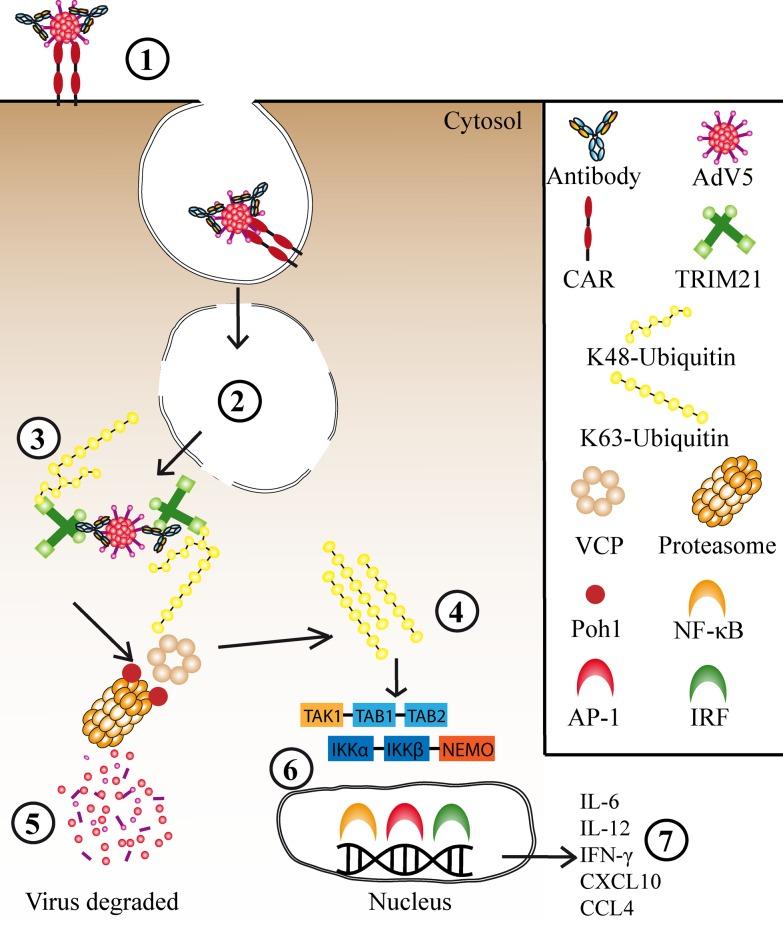
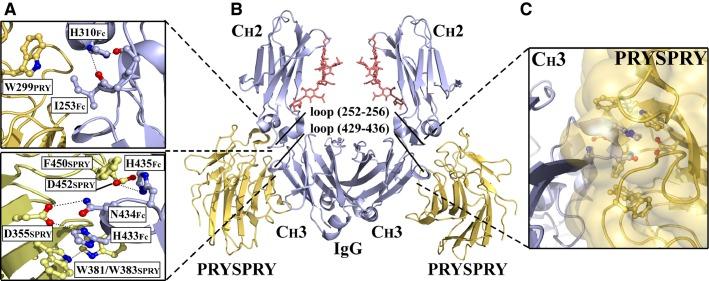
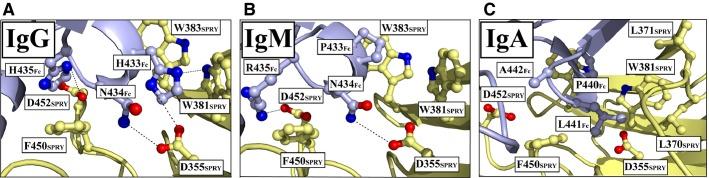
Antibodies are key molecules in the fight against infections. Although previously thought to mediate protection solely in the extracellular environment, recent research has revealed that antibody-mediated protection extends to the cytosolic compartment of cells. This postentry viral defense mechanism requires binding of the antibody to a cytosolic Fc receptor named tripartite motif containing 21 (TRIM21). In contrast to other Fc receptors, TRIM21 shows remarkably broad isotype specificity as it does not only bind IgG but also IgM and IgA. When viral pathogens coated with these antibody isotypes enter the cytosol, TRIM21 is rapidly recruited and efficient neutralization occurs before the virus has had the time to replicate. In addition, inflammatory signaling is induced. As such, TRIM21 acts as a cytosolic sensor that engages antibodies that have failed to protect against infection in the extracellular environment. Here, we summarize our current understanding of how TRIM21 orchestrates humoral immunity in the cytosolic environment.
抗体是对抗感染的关键分子。尽管此前认为抗体仅在细胞外环境中介导保护作用,但最近的研究表明,抗体介导的保护作用可延伸至细胞的胞质区室。这种病毒进入后的防御机制需要抗体与一种名为含21个三联基序(TRIM21)的胞质Fc受体结合。与其他Fc受体不同,TRIM21表现出非常广泛的同种型特异性,因为它不仅能结合IgG,还能结合IgM和IgA。当包被有这些抗体同种型的病毒病原体进入胞质溶胶时,TRIM21会迅速被招募,并且在病毒有时间复制之前就会发生有效的中和作用。此外,还会诱导炎症信号传导。因此,TRIM21作为一种胞质传感器,与那些未能在细胞外环境中预防感染的抗体相互作用。在此,我们总结了目前对TRIM21如何在胞质环境中协调体液免疫的理解。
 Zotero 插件