
抑制无序蛋白p27(Kip1)的小分子的发现
Discovery of Small Molecules that Inhibit the Disordered Protein, p27(Kip1).
作者信息
Iconaru Luigi I, Ban David, Bharatham Kavitha, Ramanathan Arvind, Zhang Weixing, Shelat Anang A, Zuo Jian, Kriwacki Richard W
机构信息
Department of Structural Biology, Memphis, TN 38105.
Department of Developmental Neurobiology, Memphis, TN 38105.
出版信息
Sci Rep. 2015 Oct 28;5:15686. doi: 10.1038/srep15686.
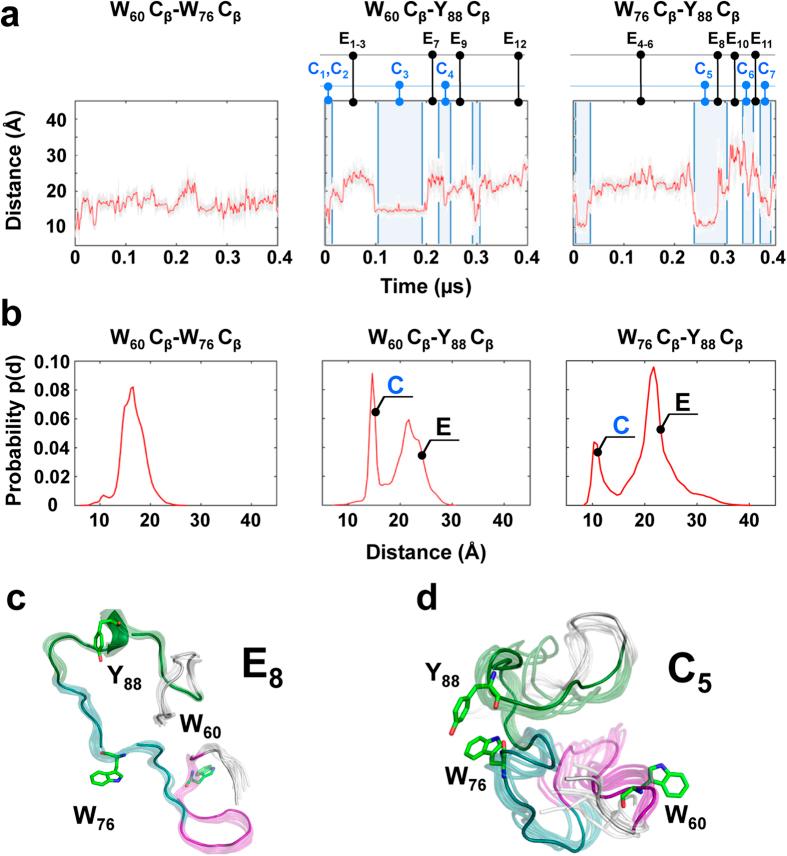
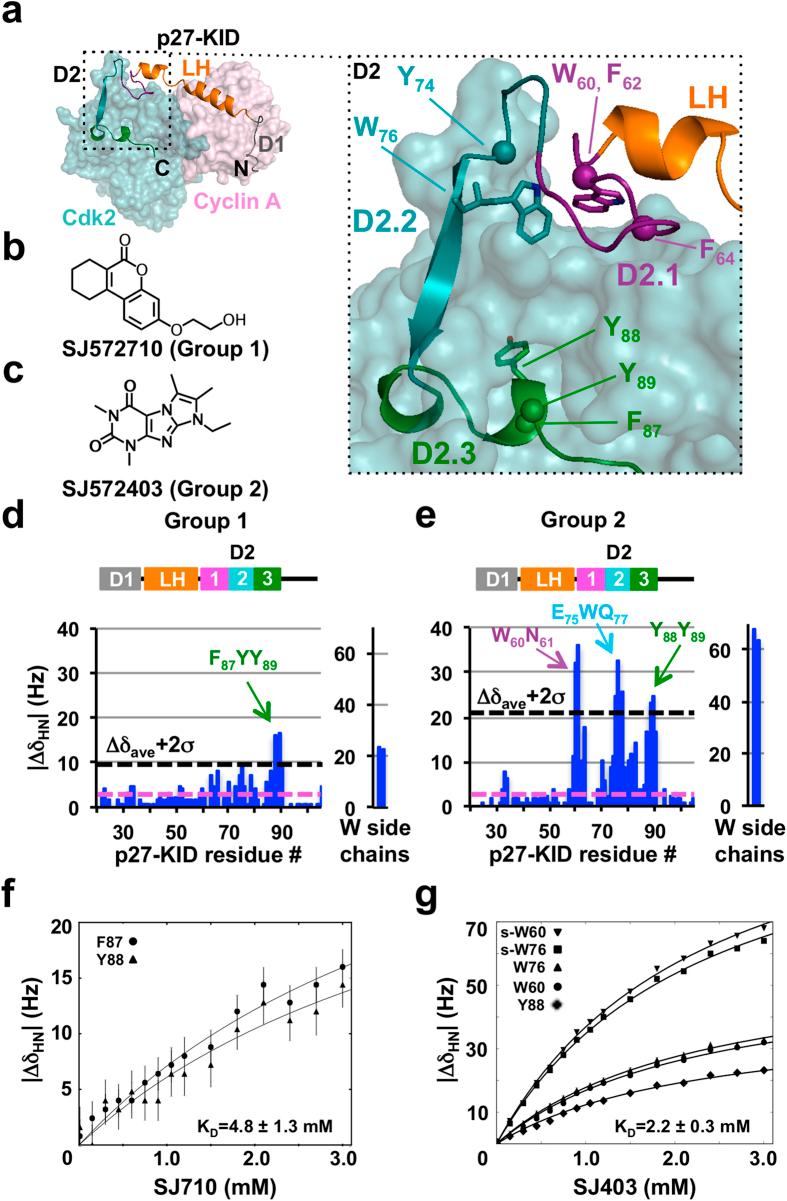
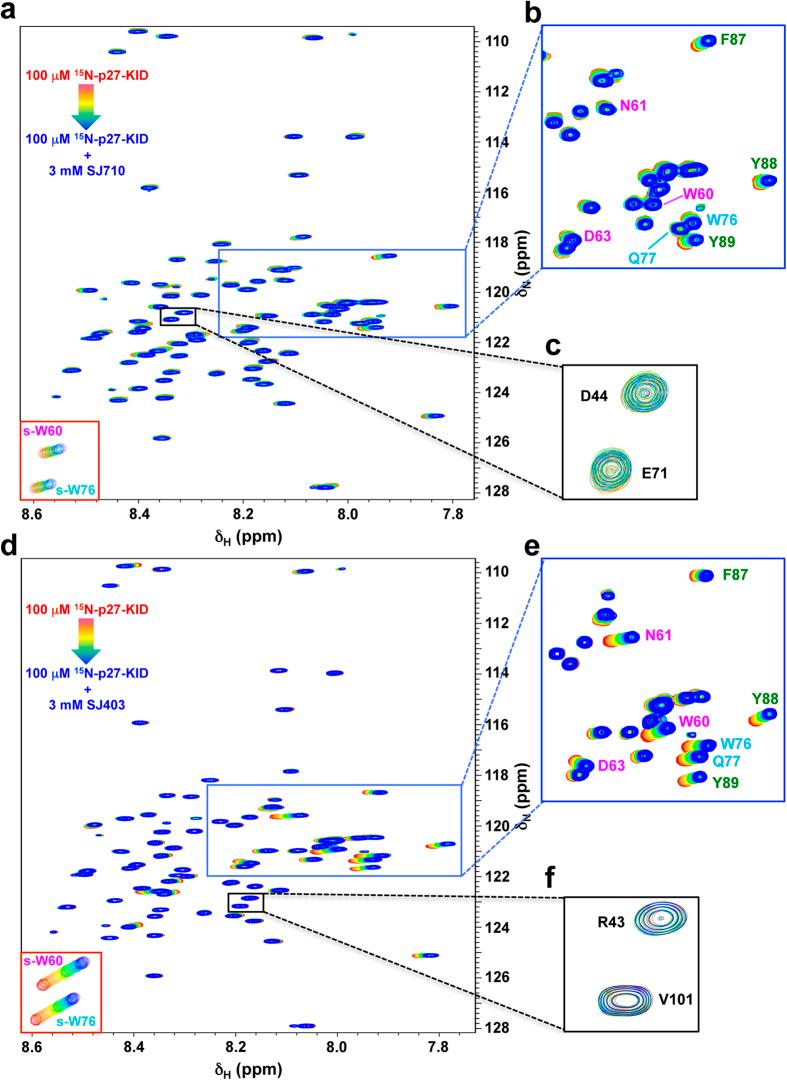
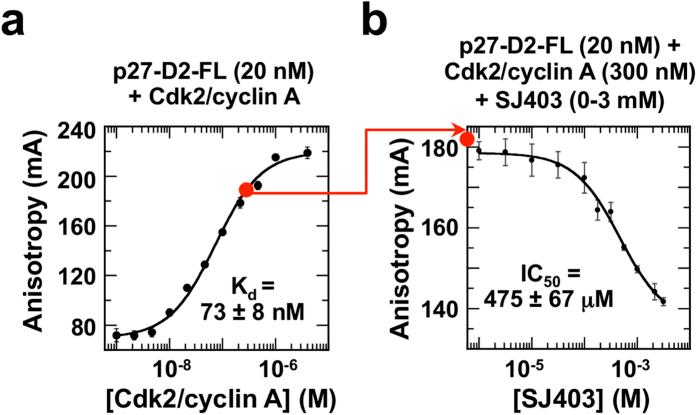
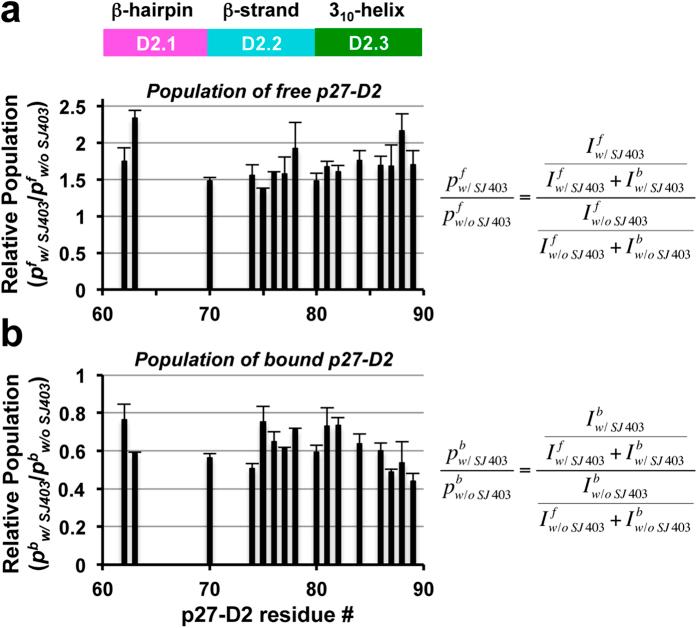
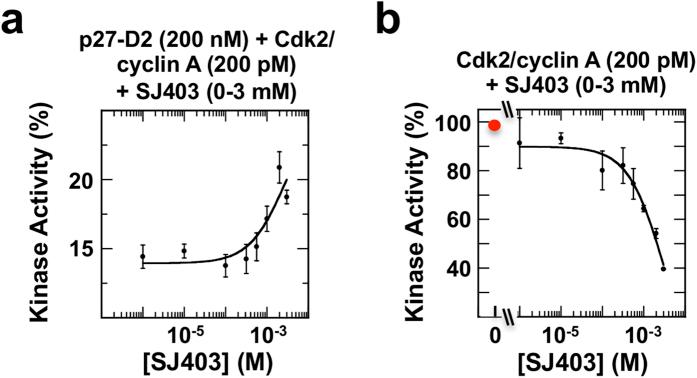
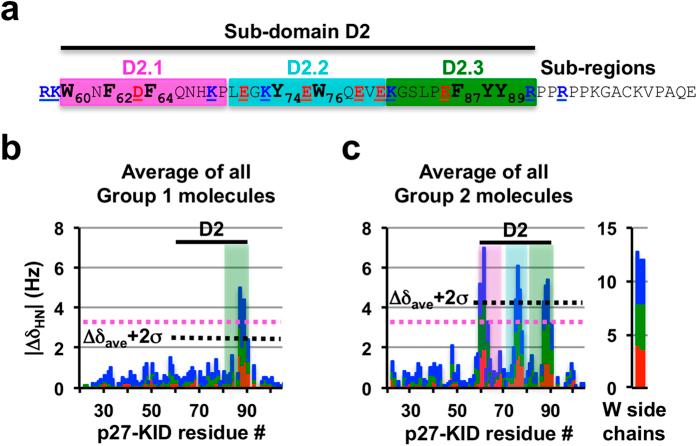
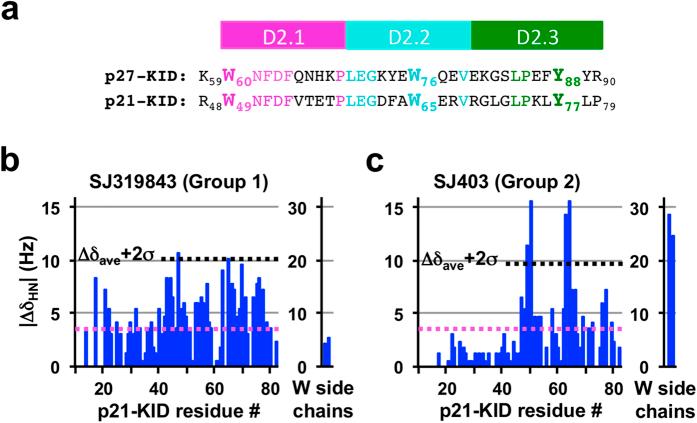
Disordered proteins are highly prevalent in biological systems, they control myriad signaling and regulatory processes, and their levels and/or cellular localization are often altered in human disease. In contrast to folded proteins, disordered proteins, due to conformational heterogeneity and dynamics, are not considered viable drug targets. We challenged this paradigm by identifying through NMR-based screening small molecules that bound specifically, albeit weakly, to the disordered cell cycle regulator, p27(Kip1) (p27). Two groups of molecules bound to sites created by transient clusters of aromatic residues within p27. Conserved chemical features within these two groups of small molecules exhibited complementarity to their binding sites within p27, establishing structure-activity relationships for small molecule:disordered protein interactions. Finally, one compound counteracted the Cdk2/cyclin A inhibitory function of p27 in vitro, providing proof-of-principle that small molecules can inhibit the function of a disordered protein (p27) through sequestration in a conformation incapable of folding and binding to a natural regulatory target (Cdk2/cyclin A).
无序蛋白质在生物系统中高度普遍,它们控制着无数的信号传导和调节过程,并且其水平和/或细胞定位在人类疾病中常常发生改变。与折叠蛋白不同,由于构象异质性和动力学,无序蛋白质不被认为是可行的药物靶点。我们通过基于核磁共振的筛选鉴定出与无序细胞周期调节因子p27(Kip1)(p27)特异性结合(尽管结合较弱)的小分子,从而挑战了这一范式。两组分子与p27内由芳香族残基的瞬时簇形成的位点结合。这两组小分子内保守的化学特征与其在p27内的结合位点表现出互补性,建立了小分子与无序蛋白质相互作用的构效关系。最后,一种化合物在体外抵消了p27的Cdk2/细胞周期蛋白A抑制功能,提供了小分子可以通过隔离在无法折叠并与天然调节靶点(Cdk2/细胞周期蛋白A)结合的构象中来抑制无序蛋白质(p27)功能的原理证明。

 Zotero 插件