
疟原虫中RNA结合蛋白的生物信息学研究
A bioinformatic survey of RNA-binding proteins in Plasmodium.
作者信息
Reddy B P Niranjan, Shrestha Sony, Hart Kevin J, Liang Xiaoying, Kemirembe Karen, Cui Liwang, Lindner Scott E
机构信息
Department of Entomology, Center for Malaria Research, Pennsylvania State University, 501 ASI Bldg, University Park, PA, 16802, USA.
Department of Biochemistry and Molecular Biology, Center for Malaria Research, Pennsylvania State University, W223 Millennium Science Complex, University Park, PA, 16802, USA.
出版信息
BMC Genomics. 2015 Nov 2;16:890. doi: 10.1186/s12864-015-2092-1.
BACKGROUND
The malaria parasites in the genus Plasmodium have a very complicated life cycle involving an invertebrate vector and a vertebrate host. RNA-binding proteins (RBPs) are critical factors involved in every aspect of the development of these parasites. However, very few RBPs have been functionally characterized to date in the human parasite Plasmodium falciparum.
METHODS
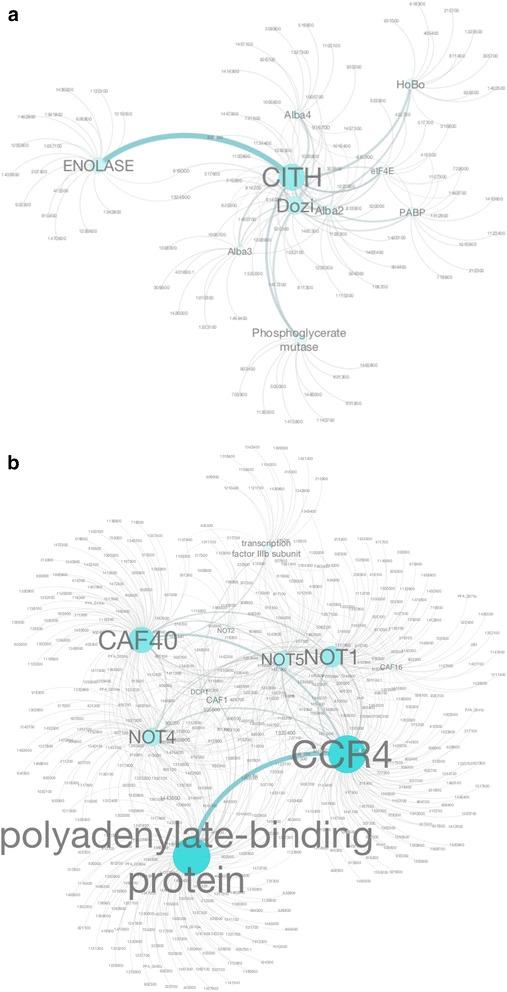
Using different bioinformatic methods and tools we searched P. falciparum genome to list and annotate RBPs. A representative 3D models for each of the RBD domain identified in P. falciparum was created using I-TESSAR and SWISS-MODEL. Microarray and RNAseq data analysis pertaining PfRBPs was performed using MeV software. Finally, Cytoscape was used to create protein-protein interaction network for CITH-Dozi and Caf1-CCR4-Not complexes.
RESULTS
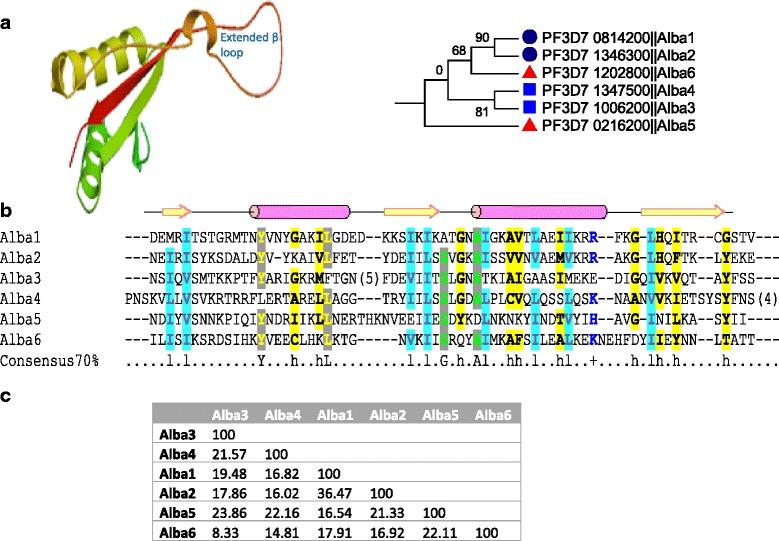
We report the identification of 189 putative RBP genes belonging to 13 different families in Plasmodium, which comprise 3.5% of all annotated genes. Almost 90% (169/189) of these genes belong to six prominent RBP classes, namely RNA recognition motifs, DEAD/H-box RNA helicases, K homology, Zinc finger, Puf and Alba gene families. Interestingly, almost all of the identified RNA-binding helicases and KH genes have cognate homologs in model species, suggesting their evolutionary conservation. Exploration of the existing P. falciparum blood-stage transcriptomes revealed that most RBPs have peak mRNA expression levels early during the intraerythrocytic development cycle, which taper off in later stages. Nearly 27% of RBPs have elevated expression in gametocytes, while 47 and 24% have elevated mRNA expression in ookinete and asexual stages. Comparative interactome analyses using human and Plasmodium protein-protein interaction datasets suggest extensive conservation of the PfCITH/PfDOZI and PfCaf1-CCR4-NOT complexes.
CONCLUSIONS
The Plasmodium parasites possess a large number of putative RBPs belonging to most of RBP families identified so far, suggesting the presence of extensive post-transcriptional regulation in these parasites. Taken together, in silico identification of these putative RBPs provides a foundation for future functional studies aimed at defining a unique network of post-transcriptional regulation in P. falciparum.
背景
疟原虫属的疟原虫具有非常复杂的生命周期,涉及无脊椎动物媒介和脊椎动物宿主。RNA结合蛋白(RBPs)是这些寄生虫发育各个方面的关键因素。然而,迄今为止,在人类寄生虫恶性疟原虫中,很少有RBPs的功能得到表征。
方法
使用不同的生物信息学方法和工具,我们在恶性疟原虫基因组中进行搜索,以列出并注释RBPs。使用I-TESSAR和SWISS-MODEL为在恶性疟原虫中鉴定出的每个RBD结构域创建代表性的三维模型。使用MeV软件对与PfRBPs相关的微阵列和RNAseq数据分析。最后,使用Cytoscape为CITH-Dozi和Caf1-CCR4-Not复合物创建蛋白质-蛋白质相互作用网络。
结果
我们报告在疟原虫中鉴定出189个推定的RBP基因,属于13个不同家族,占所有注释基因的3.5%。这些基因中近90%(169/189)属于六个主要的RBP类别,即RNA识别基序、DEAD/H-box RNA解旋酶、K同源性、锌指、Puf和Alba基因家族。有趣的是,几乎所有鉴定出的RNA结合解旋酶和KH基因在模式物种中都有同源物,表明它们在进化上具有保守性。对现有的恶性疟原虫血液阶段转录组的探索表明,大多数RBPs在红细胞内发育周期早期具有mRNA表达峰值,在后期逐渐下降。近27%的RBPs在配子体中表达升高,而47%和24%在动合子和无性阶段具有升高的mRNA表达。使用人类和疟原虫蛋白质-蛋白质相互作用数据集进行的比较相互作用组分析表明,PfCITH/PfDOZI和PfCaf1-CCR4-NOT复合物具有广泛的保守性。
结论
疟原虫拥有大量推定的RBPs,属于迄今为止鉴定出的大多数RBP家族,这表明这些寄生虫中存在广泛的转录后调控。综上所述,这些推定的RBPs的计算机鉴定为未来旨在定义恶性疟原虫独特的转录后调控网络的功能研究奠定了基础。



 Zotero 插件