
整合遗传和表观遗传方法的数据以更好地理解自闭症谱系障碍。
Merging data from genetic and epigenetic approaches to better understand autistic spectrum disorder.
作者信息
Grayson Dennis R, Guidotti Alessandro
机构信息
Department of Psychiatry, The Psychiatric Institute, University of Illinois at Chicago, 1601 W. Taylor St., Chicago, IL 60607, USA.
出版信息
Epigenomics. 2016 Jan;8(1):85-104. doi: 10.2217/epi.15.92. Epub 2015 Nov 9.
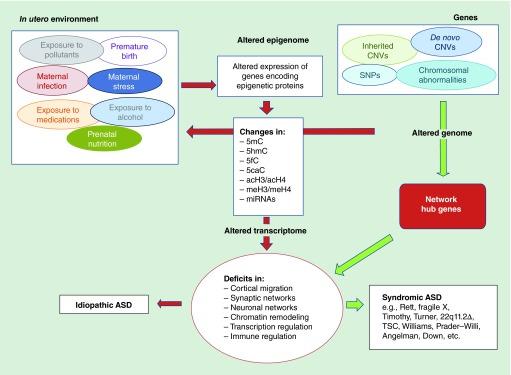
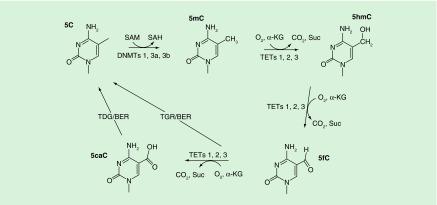
Autism spectrum disorder (ASD) is a complex neurodevelopmental disorder that is characterized by a wide range of cognitive and behavioral abnormalities. Genetic research has identified large numbers of genes that contribute to ASD phenotypes. There is compelling evidence that environmental factors contribute to ASD through influences that differentially impact the brain through epigenetic mechanisms. Both genetic mutations and epigenetic influences alter gene expression in different cell types of the brain. Mutations impact the expression of large numbers of genes and also have downstream consequences depending on specific pathways associated with the mutation. Environmental factors impact the expression of sets of genes by altering methylation/hydroxymethylation patterns, local histone modification patterns and chromatin remodeling. Herein, we discuss recent developments in the research of ASD with a focus on epigenetic pathways as a complement to current genetic screening.
自闭症谱系障碍(ASD)是一种复杂的神经发育障碍,其特征是存在广泛的认知和行为异常。基因研究已经确定了大量导致ASD表型的基因。有令人信服的证据表明,环境因素通过表观遗传机制对大脑产生不同影响,从而导致ASD。基因突变和表观遗传影响都会改变大脑不同细胞类型中的基因表达。突变会影响大量基因的表达,并根据与突变相关的特定途径产生下游后果。环境因素通过改变甲基化/羟甲基化模式、局部组蛋白修饰模式和染色质重塑来影响基因集的表达。在此,我们讨论ASD研究的最新进展,重点是作为当前基因筛查补充的表观遗传途径。
 Zotero 插件