
X连锁肌张力障碍-帕金森综合征患者特异性神经干细胞中N-TAF1表达降低。
Decreased N-TAF1 expression in X-linked dystonia-parkinsonism patient-specific neural stem cells.
作者信息
Ito Naoto, Hendriks William T, Dhakal Jyotsna, Vaine Christine A, Liu Christina, Shin David, Shin Kyle, Wakabayashi-Ito Noriko, Dy Marisela, Multhaupt-Buell Trisha, Sharma Nutan, Breakefield Xandra O, Bragg D Cristopher
机构信息
The Collaborative Center for X-Linked Dystonia-Parkinsonism, Department of Neurology, Massachusetts General Hospital, Charlestown, MA 02129, USA Harvard Brain Science Initiative, Harvard Medical School, Boston, MA 02114, USA.
The Collaborative Center for X-Linked Dystonia-Parkinsonism, Department of Neurology, Massachusetts General Hospital, Charlestown, MA 02129, USA.
出版信息
Dis Model Mech. 2016 Apr;9(4):451-62. doi: 10.1242/dmm.022590. Epub 2016 Jan 14.
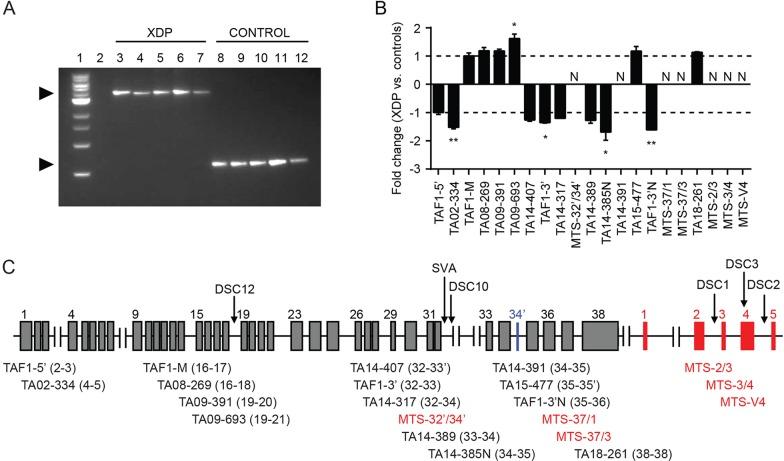
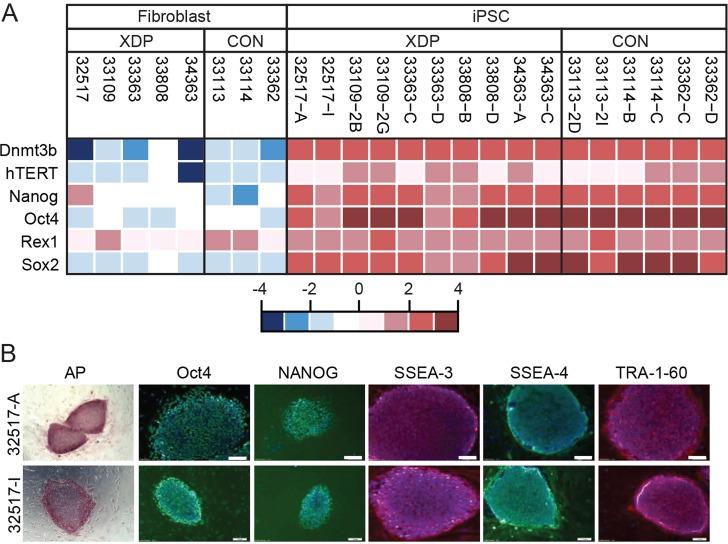
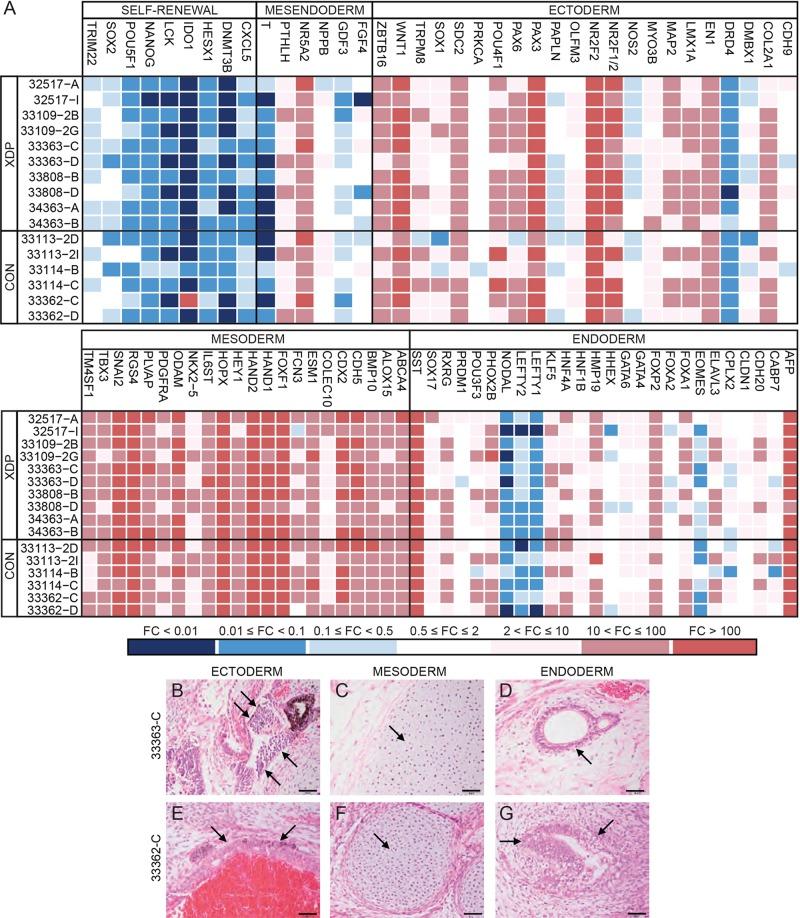
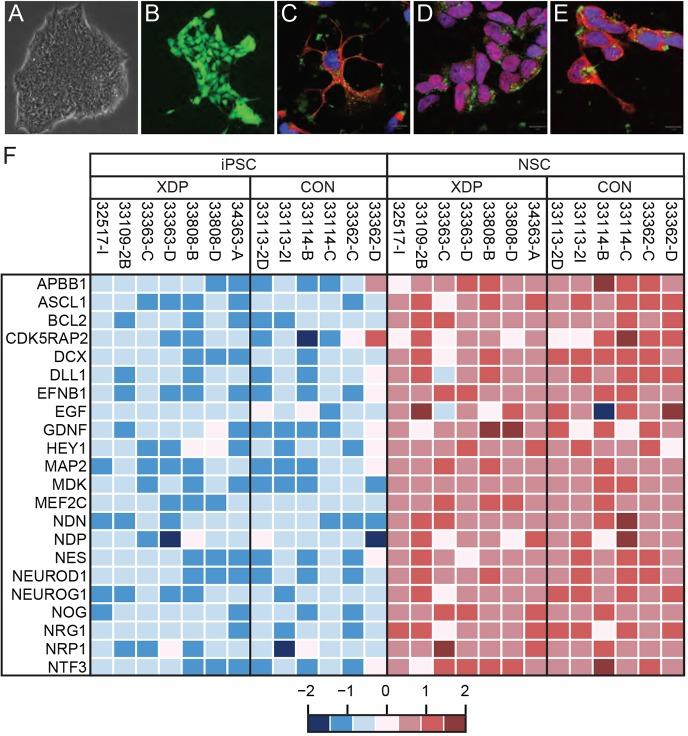
X-linked dystonia-parkinsonism (XDP) is a hereditary neurodegenerative disorder involving a progressive loss of striatal medium spiny neurons. The mechanisms underlying neurodegeneration are not known, in part because there have been few cellular models available for studying the disease. The XDP haplotype consists of multiple sequence variations in a region of the X chromosome containingTAF1, a large gene with at least 38 exons, and a multiple transcript system (MTS) composed of five unconventional exons. A previous study identified an XDP-specific insertion of a SINE-VNTR-Alu (SVA)-type retrotransposon in intron 32 ofTAF1, as well as a neural-specific TAF1 isoform, N-TAF1, which showed decreased expression in post-mortem XDP brain compared with control tissue. Here, we generated XDP patient and control fibroblasts and induced pluripotent stem cells (iPSCs) in order to further probe cellular defects associated with this disease. As initial validation of the model, we compared expression ofTAF1and MTS transcripts in XDP versus control fibroblasts and iPSC-derived neural stem cells (NSCs). Compared with control cells, XDP fibroblasts exhibited decreased expression ofTAF1transcript fragments derived from exons 32-36, a region spanning the SVA insertion site. N-TAF1, which incorporates an alternative exon (exon 34'), was not expressed in fibroblasts, but was detectable in iPSC-differentiated NSCs at levels that were ∼threefold lower in XDP cells than in controls. These results support the previous findings that N-TAF1 expression is impaired in XDP, but additionally indicate that this aberrant transcription might occur in neural cells at relatively early stages of development that precede neurodegeneration.
X连锁肌张力障碍-帕金森综合征(XDP)是一种遗传性神经退行性疾病,涉及纹状体中等棘状神经元的渐进性丧失。神经退行性变的潜在机制尚不清楚,部分原因是用于研究该疾病的细胞模型很少。XDP单倍型由X染色体上一个包含TAF1的区域中的多个序列变异组成,TAF1是一个大基因,至少有38个外显子,还有一个由五个非常规外显子组成的多重转录本系统(MTS)。先前的一项研究在TAF1的第32内含子中发现了一种XDP特异性的SINE-VNTR-Alu(SVA)型逆转座子插入,以及一种神经特异性的TAF1异构体N-TAF1,与对照组织相比,其在XDP死后大脑中的表达降低。在这里,我们生成了XDP患者和对照成纤维细胞以及诱导多能干细胞(iPSC),以便进一步探究与该疾病相关的细胞缺陷。作为模型的初步验证,我们比较了XDP与对照成纤维细胞以及iPSC衍生的神经干细胞(NSC)中TAF1和MTS转录本的表达。与对照细胞相比,XDP成纤维细胞中源自外显子32-36的TAF1转录本片段表达降低,该区域跨越SVA插入位点。包含替代外显子(外显子34')的N-TAF1在成纤维细胞中不表达,但在iPSC分化的NSC中可检测到,其在XDP细胞中的水平比对照低约三倍。这些结果支持了先前的发现,即XDP中N-TAF1的表达受损,但此外还表明这种异常转录可能发生在神经退行性变之前发育相对早期的神经细胞中。

 Zotero 插件