
短链和长链蜘蛛合成肽在商业抗生素存在下的抗菌活性和稳定性
Antimicrobial Activity and Stability of Short and Long Based Arachnid Synthetic Peptides in the Presence of Commercial Antibiotics.
作者信息
Arenas Ivan, Villegas Elba, Walls Oliver, Barrios Humberto, Rodríguez Ramon, Corzo Gerardo
机构信息
Departamento de Medicina Molecular y Bioprocesos, Instituto de Biotecnología, Universidad Nacional Autónoma de México, UNAM. Apartado Postal 510-3, Cuernavaca, Morelos 62250, Mexico.
Centro de Investigación en Biotecnología, Universidad Autónoma del Estado de Morelos, Av. Universidad 2001, Cuernavaca, Morelos 62210, Mexico.
出版信息
Molecules. 2016 Feb 17;21(2):225. doi: 10.3390/molecules21020225.
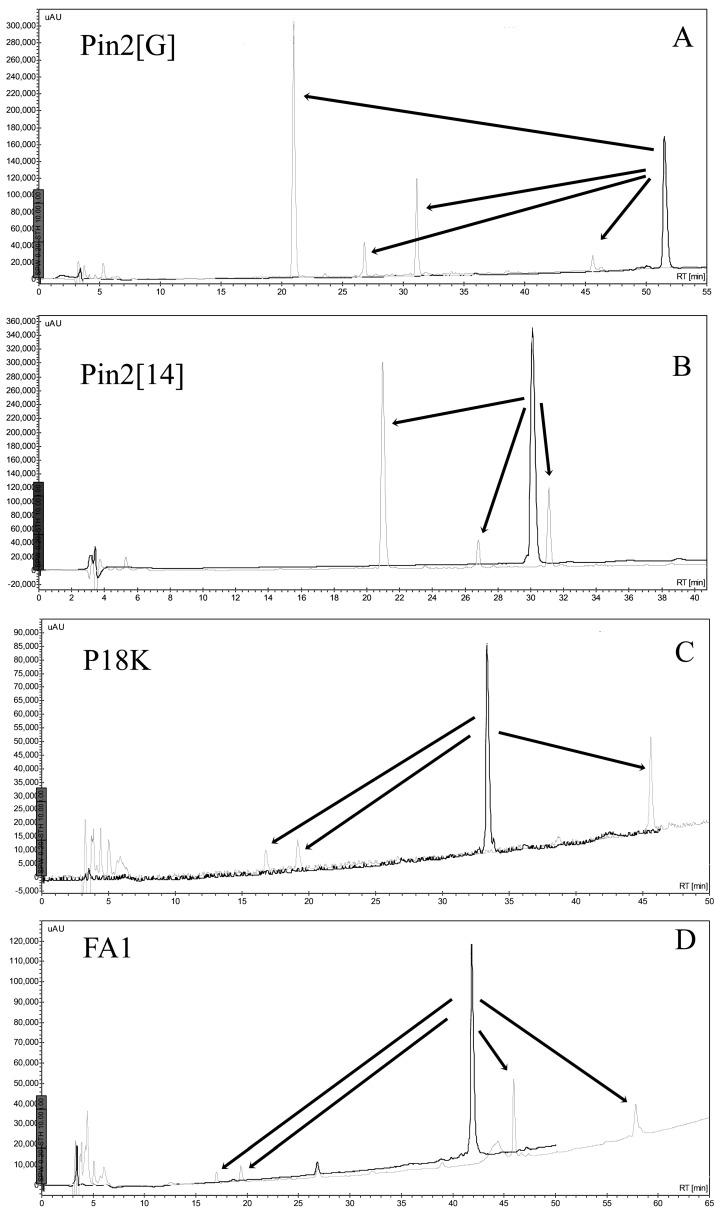
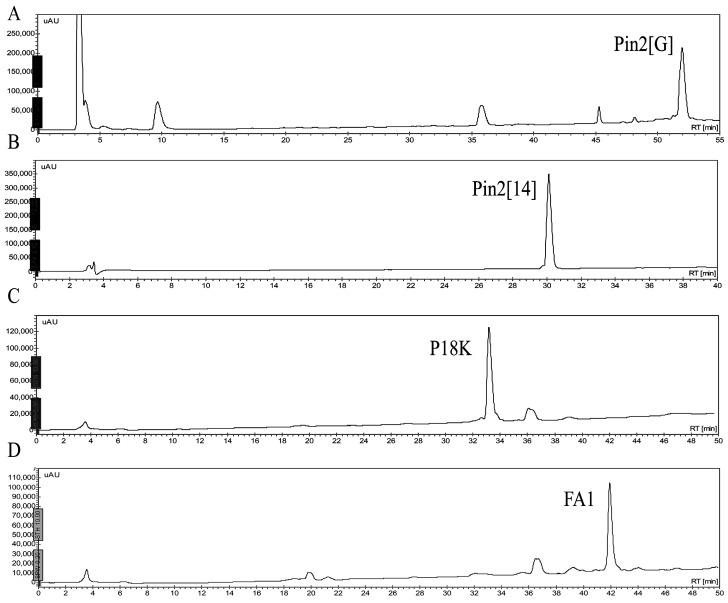
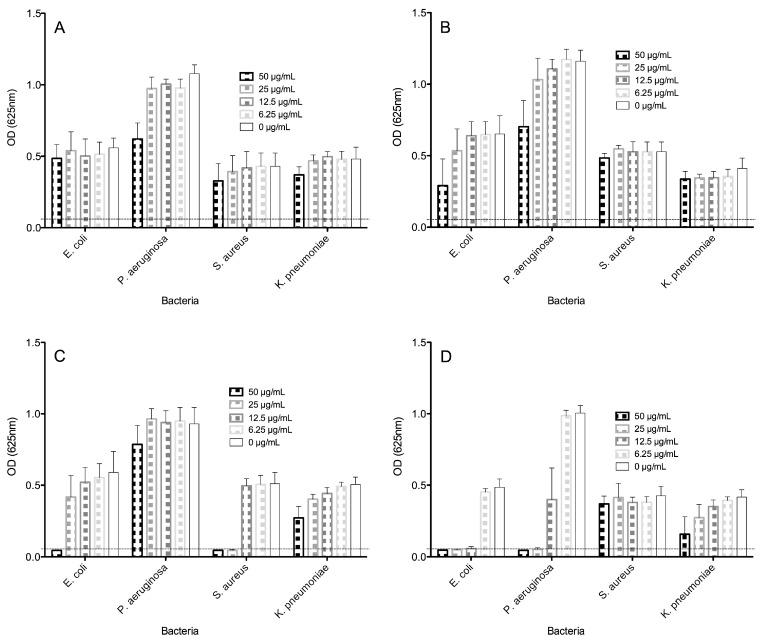
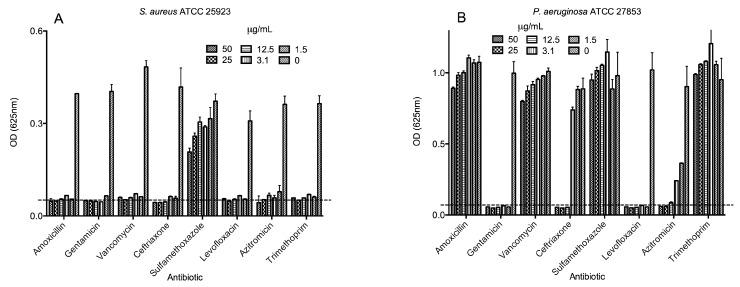
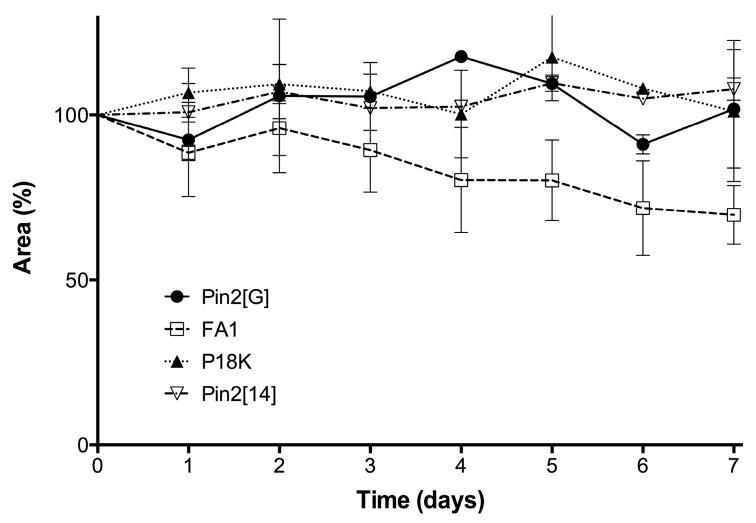
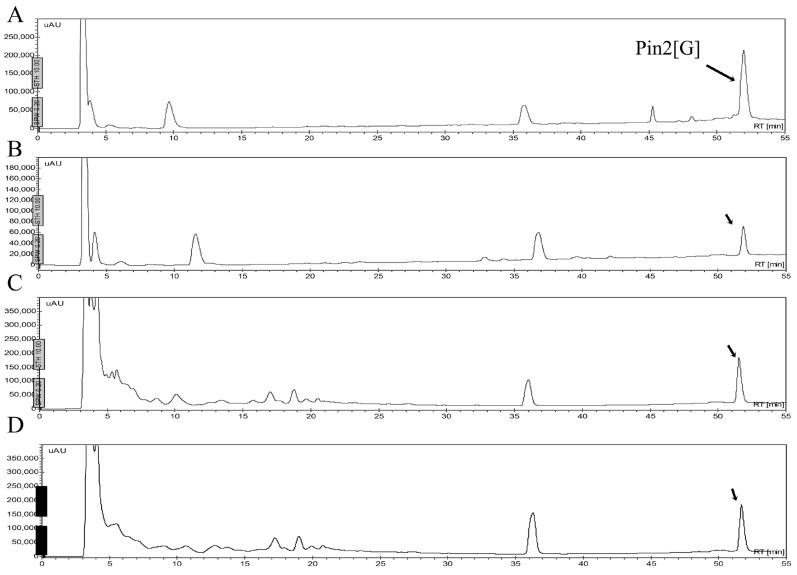
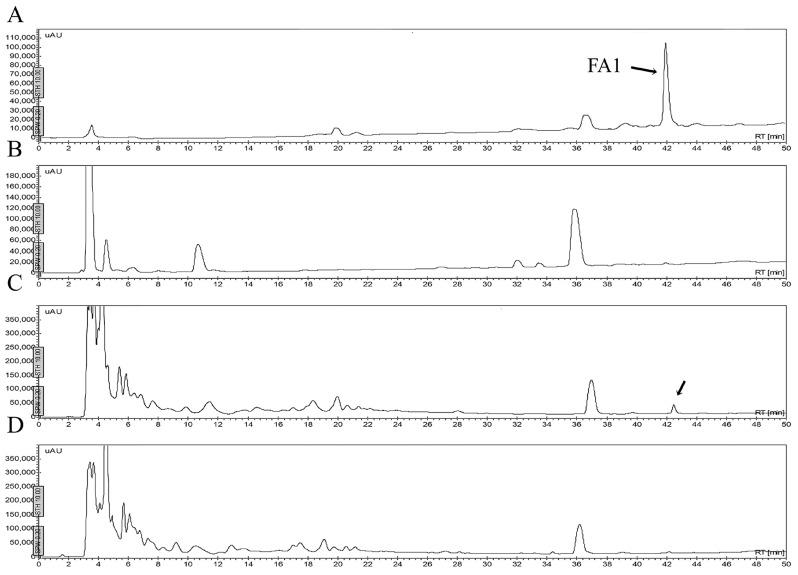
Four antimicrobial peptides (AMPs) named Pin2[G], Pin2[14], P18K and FA1 were chemically synthesized and purified. The four peptides were evaluated in the presence of eight commercial antibiotics against four microorganisms of medical importance: Escherichia coli, Staphylococcus aureus, Pseudomonas aeruginosa, and Klebsiella pneumoniae. The commercial antibiotics used were amoxicillin, azithromycin, ceftriaxone, gentamicin, levofloxacin, sulfamethoxazole, trimethoprim and vancomycin. The best AMP against P. aeruginosa was the peptide FA1, and the best AMP against S. aureus was Pin2[G]. Both FA1 and Pin2[G] were efficient against E. coli, but they were not effective against K. pneumoniae. As K. pneumoniae was resistant to most of the commercial antibiotics, combinations of the AMPs FA1 and Pin2[G] were prepared with these antibiotics. According to the fractional inhibitory concentration (FIC) index, the best antimicrobial combinations were obtained with concomitant applications of mixtures of FA1 with levofloxacin and sulfamethoxazole. However, combinations of FA1 or Pin2[G] with other antibiotics showed that total inhibitory effect of the combinations were greater than the sum of the individual effects of either the antimicrobial peptide or the antibiotic. We also evaluated the stability of the AMPs. The AMP Pin2[G] manifested the best performance in saline buffer, in supernatants of bacterial growth and in human blood plasma. Nevertheless, all AMPs were cleaved using endoproteolytic enzymes. These data show advantages and disadvantages of AMPs for potential clinical treatments of bacterial infections, using them in conjunction with commercial antibiotics.
化学合成并纯化了四种名为Pin2[G]、Pin2[14]、P18K和FA1的抗菌肽(AMP)。在八种市售抗生素存在的情况下,对这四种肽针对四种具有医学重要性的微生物进行了评估:大肠杆菌、金黄色葡萄球菌、铜绿假单胞菌和肺炎克雷伯菌。所使用的市售抗生素为阿莫西林、阿奇霉素、头孢曲松、庆大霉素、左氧氟沙星、磺胺甲恶唑、甲氧苄啶和万古霉素。对铜绿假单胞菌效果最佳的AMP是肽FA1,对金黄色葡萄球菌效果最佳的AMP是Pin2[G]。FA1和Pin2[G]对大肠杆菌均有效,但对肺炎克雷伯菌无效。由于肺炎克雷伯菌对大多数市售抗生素耐药,因此将AMP FA1和Pin2[G]与这些抗生素进行了组合。根据分数抑菌浓度(FIC)指数,FA1与左氧氟沙星和磺胺甲恶唑混合物同时应用时获得了最佳抗菌组合。然而,FA1或Pin2[G]与其他抗生素的组合表明,组合的总抑制作用大于抗菌肽或抗生素单独作用的总和。我们还评估了AMP的稳定性。AMP Pin2[G]在生理盐水缓冲液、细菌生长上清液和人血浆中表现出最佳性能。然而,所有AMP都被内切蛋白酶切割。这些数据显示了AMP与市售抗生素联合用于细菌感染潜在临床治疗的优缺点。




 Zotero 插件