
A152T 人tau蛋白的表达在转基因小鼠中导致年龄依赖性神经元功能障碍和丧失。
Expression of A152T human tau causes age-dependent neuronal dysfunction and loss in transgenic mice.
作者信息
Maeda Sumihiro, Djukic Biljana, Taneja Praveen, Yu Gui-Qiu, Lo Iris, Davis Allyson, Craft Ryan, Guo Weikun, Wang Xin, Kim Daniel, Ponnusamy Ravikumar, Gill T Michael, Masliah Eliezer, Mucke Lennart
机构信息
Gladstone Institute of Neurological Disease, San Francisco, CA, USA Department of Neurology, University of California, San Francisco, San Francisco, CA, USA.
Gladstone Institute of Neurological Disease, San Francisco, CA, USA.
出版信息
EMBO Rep. 2016 Apr;17(4):530-51. doi: 10.15252/embr.201541438. Epub 2016 Mar 1.
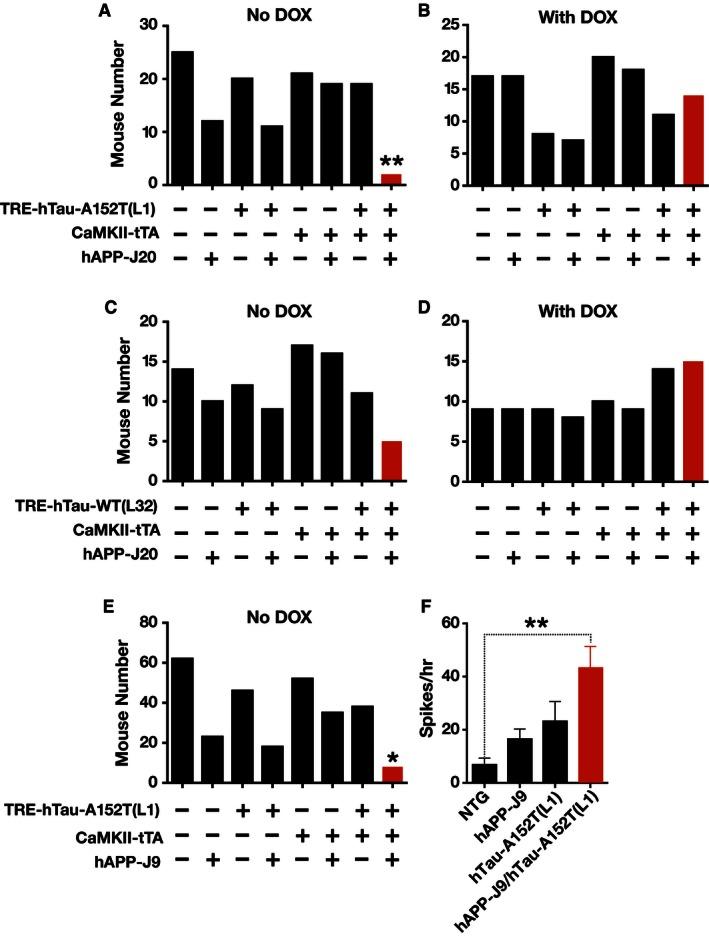
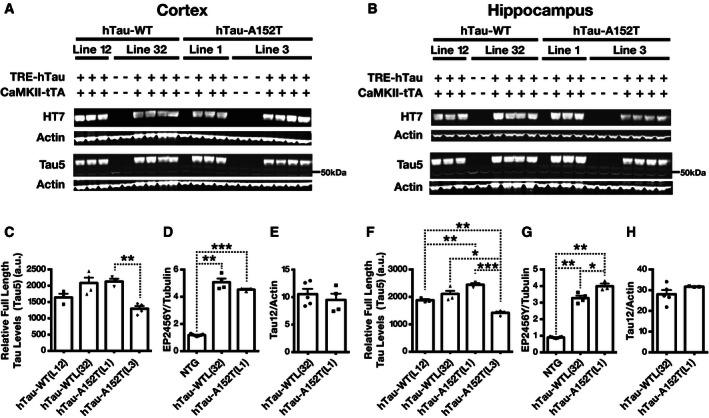
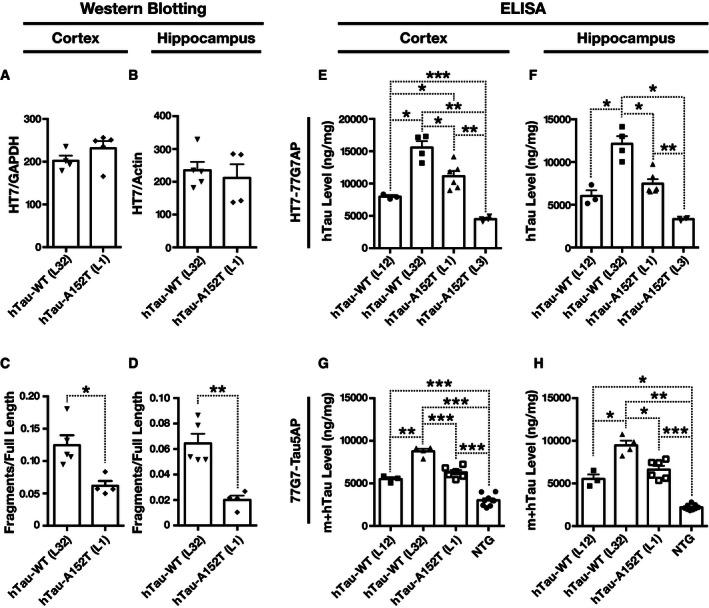
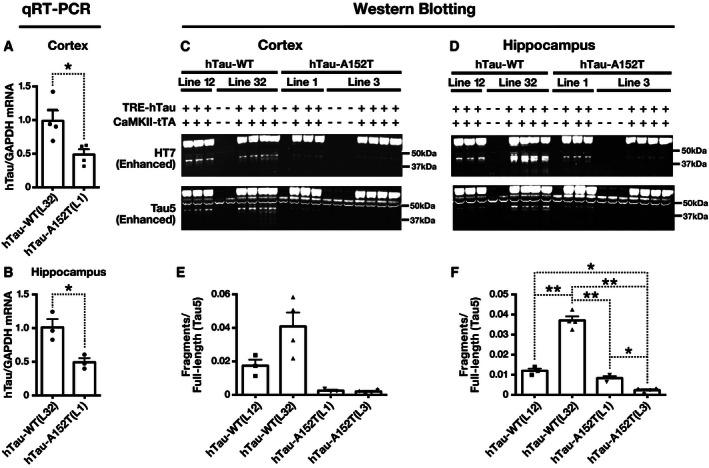
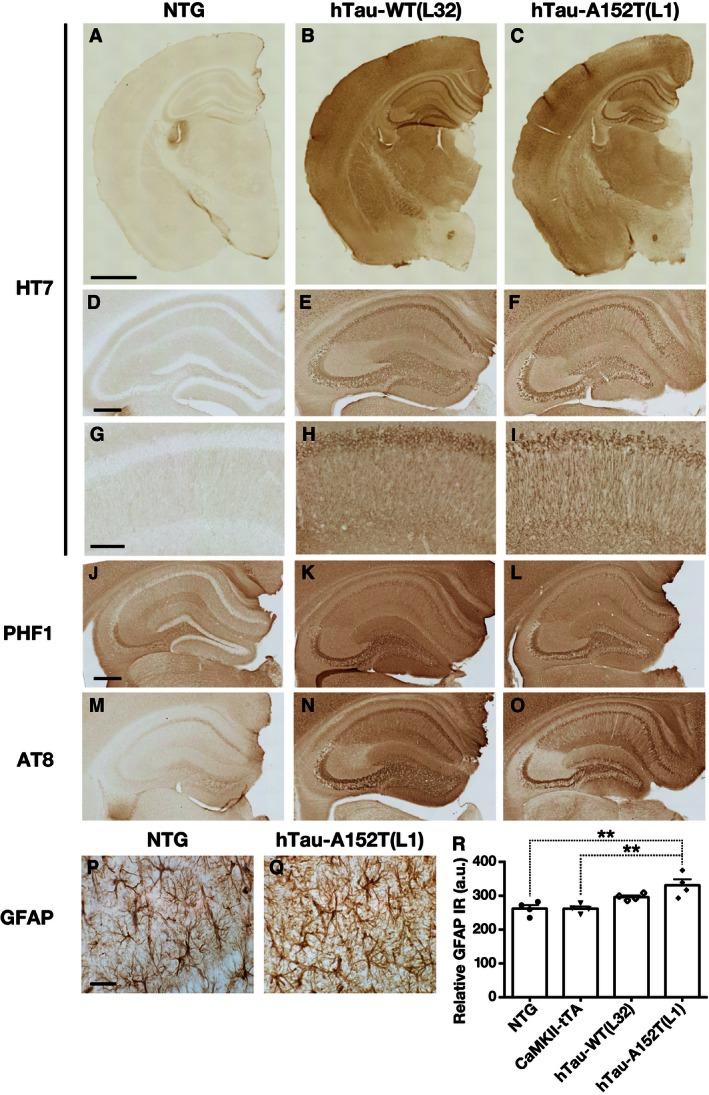
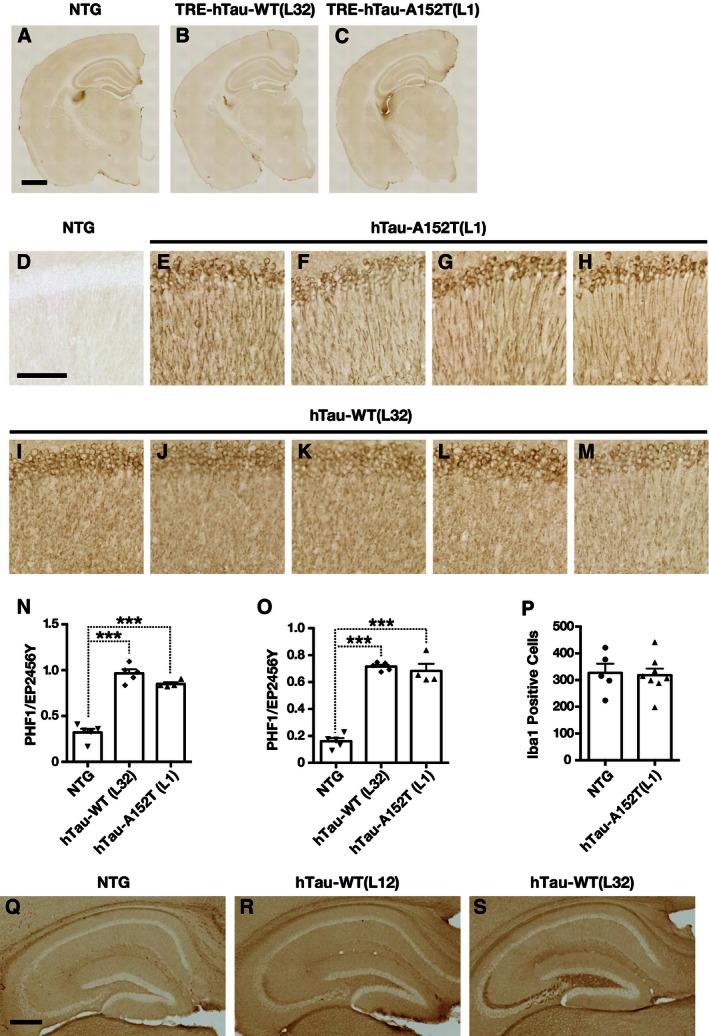
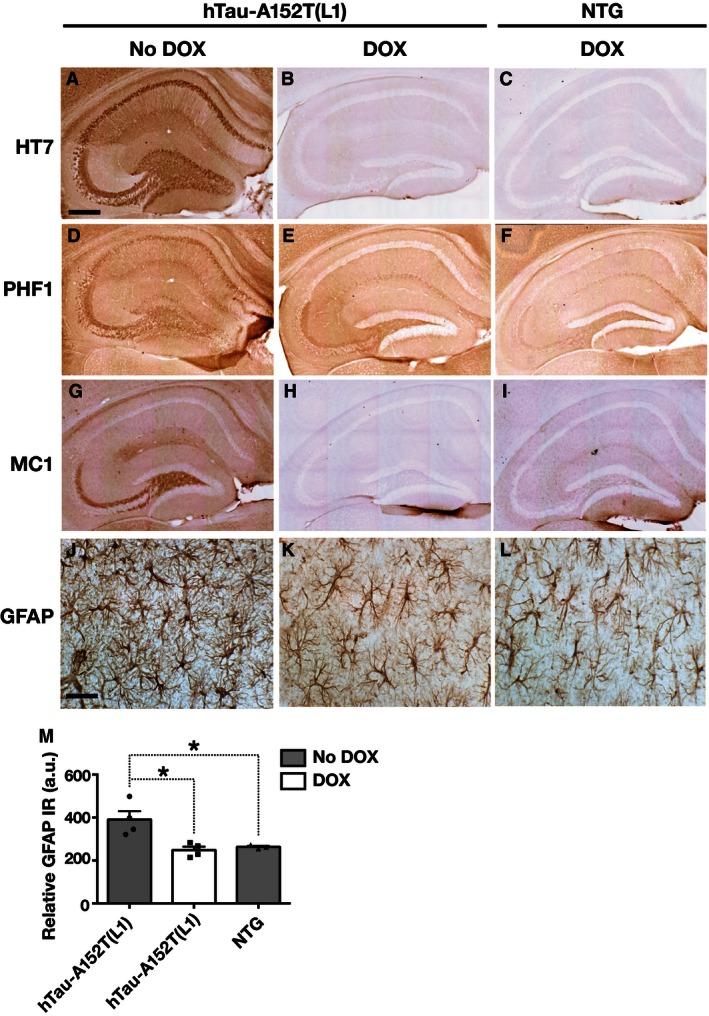
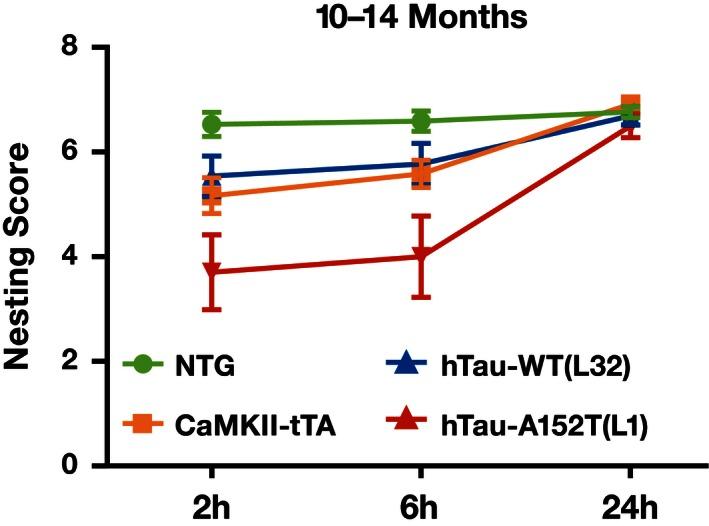
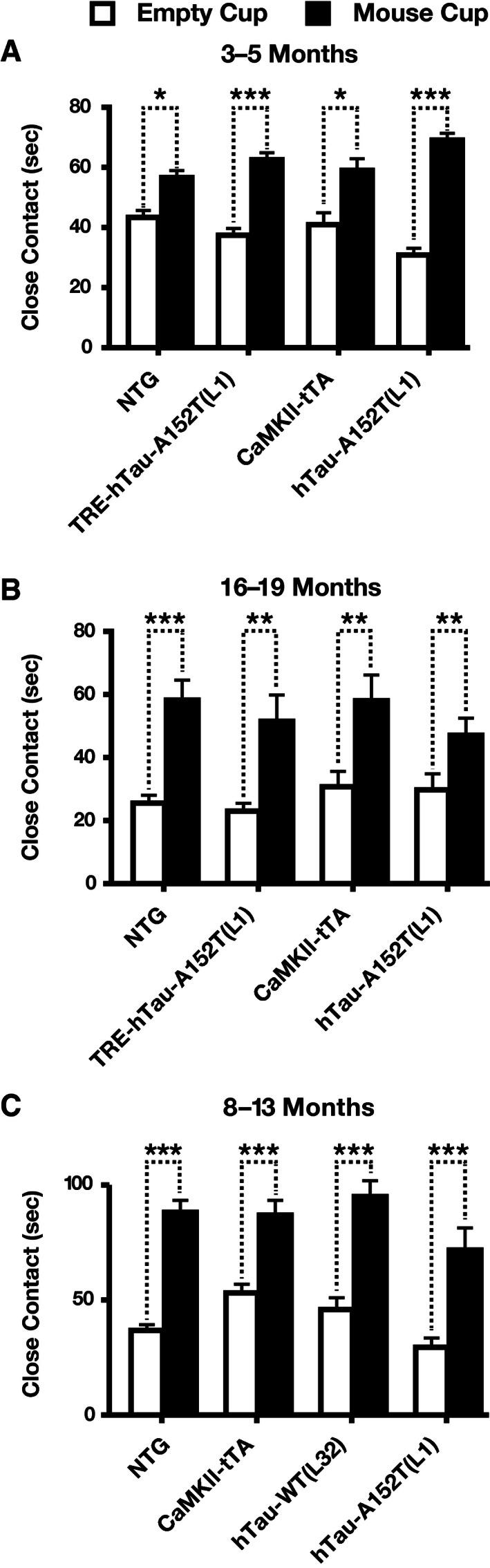
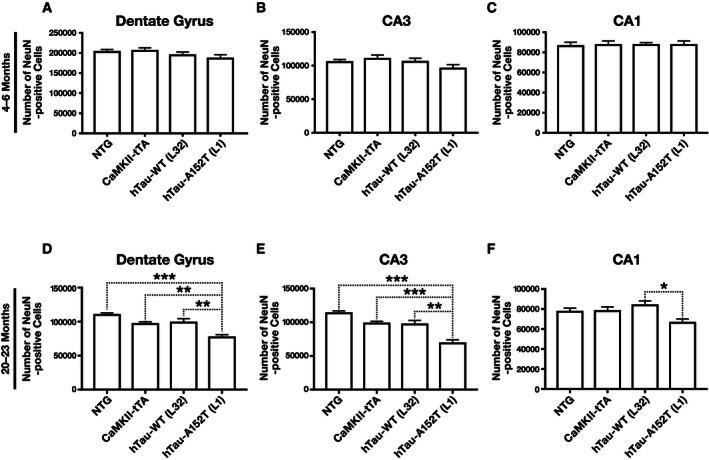
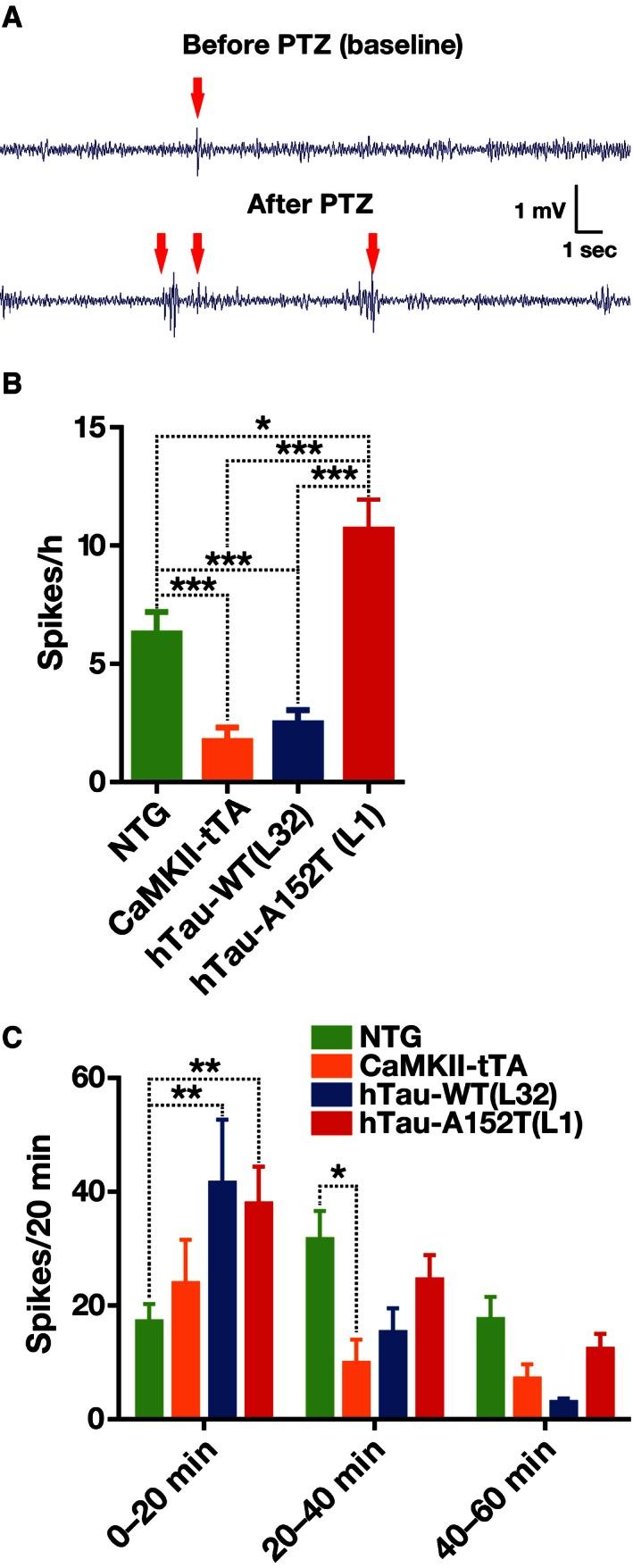
A152T-variant human tau (hTau-A152T) increases risk for tauopathies, including Alzheimer's disease. Comparing mice with regulatable expression of hTau-A152T or wild-type hTau (hTau-WT), we find age-dependent neuronal loss, cognitive impairments, and spontaneous nonconvulsive epileptiform activity primarily in hTau-A152T mice. However, overexpression of either hTau species enhances neuronal responses to electrical stimulation of synaptic inputs and to an epileptogenic chemical. hTau-A152T mice have higher hTau protein/mRNA ratios in brain, suggesting that A152T increases production or decreases clearance of hTau protein. Despite their functional abnormalities, aging hTau-A152T mice show no evidence for accumulation of insoluble tau aggregates, suggesting that their dysfunctions are caused by soluble tau. In human amyloid precursor protein (hAPP) transgenic mice, co-expression of hTau-A152T enhances risk of early death and epileptic activity, suggesting copathogenic interactions between hTau-A152T and amyloid-β peptides or other hAPP metabolites. Thus, the A152T substitution may augment risk for neurodegenerative diseases by increasing hTau protein levels, promoting network hyperexcitability, and synergizing with the adverse effects of other pathogenic factors.
A152T变异型人tau蛋白(hTau-A152T)会增加包括阿尔茨海默病在内的tau蛋白病的发病风险。通过比较可调节表达hTau-A152T或野生型hTau(hTau-WT)的小鼠,我们发现主要在hTau-A152T小鼠中存在年龄依赖性的神经元丢失、认知障碍和自发性非惊厥性癫痫样活动。然而,两种hTau蛋白的过表达都会增强神经元对突触输入电刺激和致痫化学物质的反应。hTau-A152T小鼠大脑中的hTau蛋白/ mRNA比值更高,这表明A152T会增加hTau蛋白的产生或降低其清除率。尽管存在功能异常,但衰老的hTau-A152T小鼠没有显示出不溶性tau聚集体积累的证据,这表明它们的功能障碍是由可溶性tau引起的。在人淀粉样前体蛋白(hAPP)转基因小鼠中,hTau-A152T的共表达会增加早期死亡和癫痫活动的风险,这表明hTau-A152T与淀粉样β肽或其他hAPP代谢产物之间存在共同致病相互作用。因此,A152T替代可能通过增加hTau蛋白水平、促进网络过度兴奋以及与其他致病因素的不利影响协同作用来增加神经退行性疾病的风险。






 Zotero 插件