
代谢综合征患者中微小RNA表达的调节以及他汀类药物通过微小RNA-33介导的ATP结合盒转运蛋白A1表达减弱导致巨噬细胞胆固醇流出减少
Modulation of microRNA Expression in Subjects with Metabolic Syndrome and Decrease of Cholesterol Efflux from Macrophages via microRNA-33-Mediated Attenuation of ATP-Binding Cassette Transporter A1 Expression by Statins.
作者信息
Chen Wei-Ming, Sheu Wayne H-H, Tseng Pei-Chi, Lee Tzong-Shyuan, Lee Wen-Jane, Chang Pey-Jium, Chiang An-Na
机构信息
Institute of Biochemistry and Molecular Biology, National Yang-Ming University, Taipei, Taiwan.
Division of Gastroenterology and Hepatology, Department of Internal Medicine, Chang Gung Memorial Hospital, Chiayi, Taiwan.
出版信息
PLoS One. 2016 May 3;11(5):e0154672. doi: 10.1371/journal.pone.0154672. eCollection 2016.
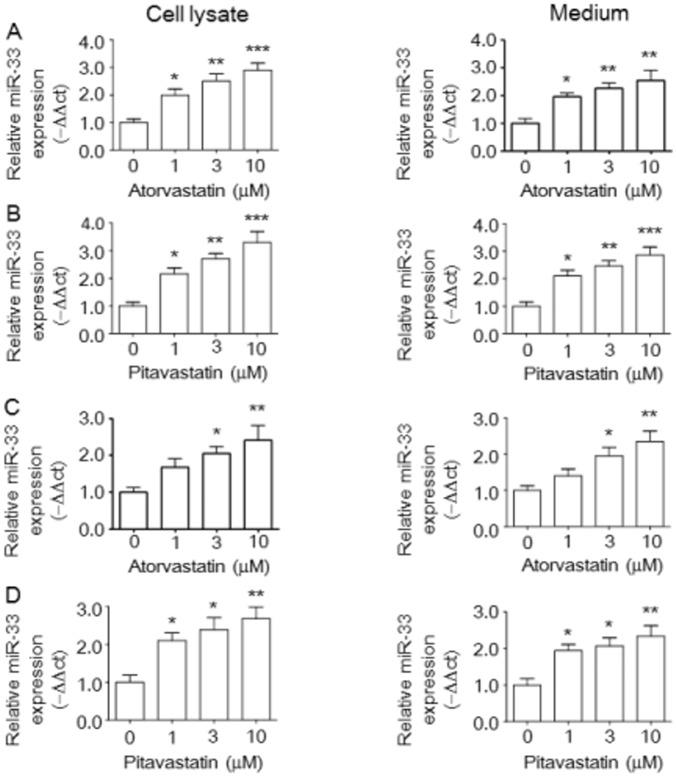
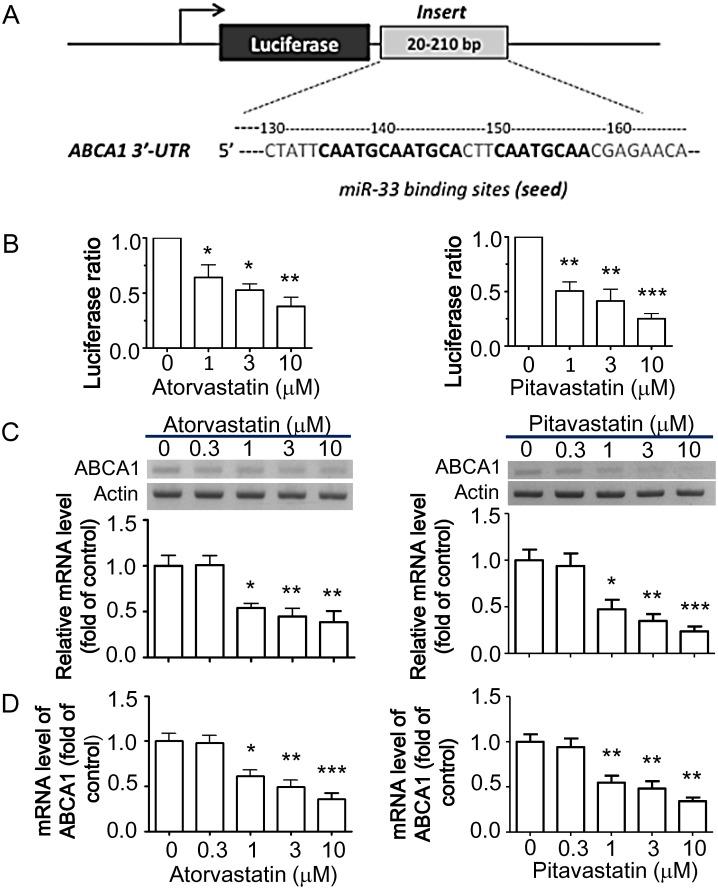
Metabolic syndrome (MetS) is a complicated health problem that encompasses a variety of metabolic disorders. In this study, we analyzed the relationship between the major biochemical parameters associated with MetS and circulating levels of microRNA (miR)-33, miR-103, and miR-155. We found that miRNA-33 levels were positively correlated with levels of fasting blood glucose, glycosylated hemoglobin A1c, total cholesterol, LDL-cholesterol, and triacylglycerol, but negatively correlated with HDL-cholesterol levels. In the cellular study, miR-33 levels were increased in macrophages treated with high glucose and cholesterol-lowering drugs atorvastatin and pitavastatin. miR-33 has been reported to play an essential role in cholesterol homeostasis through ATP-binding cassette transporter A1 (ABCA1) regulation and reverse cholesterol transport. However, the molecular mechanism underlying the linkage between miR-33 and statin treatment remains unclear. In the present study, we investigated whether atorvastatin and pitavastatin exert their functions through the modulation of miR-33 and ABCA1-mediated cholesterol efflux from macrophages. The results showed that treatment of the statins up-regulated miR-33 expression, but down-regulated ABCA1 mRNA levels in RAW264.7 cells and bone marrow-derived macrophages. Statin-mediated ABCA1 regulation occurs at the post-transcriptional level through targeting of the 3'-UTR of the ABCA1 transcript by miR-33. Additionally, we found significant down-regulation of ABCA1 protein expression in macrophages treated with statins. Finally, we showed that high glucose and statin treatment significantly suppressed cholesterol efflux from macrophages. These findings have highlighted the complexity of statins, which may exert detrimental effects on metabolic abnormalities through regulation of miR-33 target genes.
代谢综合征(MetS)是一个复杂的健康问题,涵盖多种代谢紊乱。在本研究中,我们分析了与MetS相关的主要生化参数与微小RNA(miR)-33、miR-103和miR-155循环水平之间的关系。我们发现,miRNA-33水平与空腹血糖、糖化血红蛋白A1c、总胆固醇、低密度脂蛋白胆固醇和甘油三酯水平呈正相关,但与高密度脂蛋白胆固醇水平呈负相关。在细胞研究中,用高糖以及降胆固醇药物阿托伐他汀和匹伐他汀处理的巨噬细胞中miR-33水平升高。据报道,miR-33通过调节ATP结合盒转运蛋白A1(ABCA1)和逆向胆固醇转运在胆固醇稳态中起重要作用。然而,miR-33与他汀类药物治疗之间联系的分子机制仍不清楚。在本研究中,我们研究了阿托伐他汀和匹伐他汀是否通过调节miR-33和ABCA1介导的巨噬细胞胆固醇流出发挥其功能。结果表明,他汀类药物处理上调了RAW264.7细胞和骨髓来源巨噬细胞中miR-33的表达,但下调了ABCA1 mRNA水平。他汀类药物介导的ABCA1调节通过miR-33靶向ABCA1转录本的3'-UTR在转录后水平发生。此外,我们发现用他汀类药物处理的巨噬细胞中ABCA1蛋白表达显著下调。最后,我们表明高糖和他汀类药物处理显著抑制了巨噬细胞的胆固醇流出。这些发现突出了他汀类药物的复杂性,其可能通过调节miR-33靶基因对代谢异常产生有害影响。



 Zotero 插件