
提取和测序试剂中固有的细菌DNA污染可能会影响低细菌生物量样本中微生物群的解读。
Inherent bacterial DNA contamination of extraction and sequencing reagents may affect interpretation of microbiota in low bacterial biomass samples.
作者信息
Glassing Angela, Dowd Scot E, Galandiuk Susan, Davis Brian, Chiodini Rodrick J
机构信息
Department of Biological and Physical Sciences, Montana State University-Billings, 1500 University Drive, Billings, MT 59101 USA.
Molecular Research Laboratory (Mr. DNA), Shallowater, TX USA.
出版信息
Gut Pathog. 2016 May 26;8:24. doi: 10.1186/s13099-016-0103-7. eCollection 2016.
BACKGROUND
The advent and use of highly sensitive molecular biology techniques to explore the microbiota and microbiome in environmental and tissue samples have detected the presence of contaminating microbial DNA within reagents. These microbial DNA contaminants may distort taxonomic distributions and relative frequencies in microbial datasets, as well as contribute to erroneous interpretations and identifications.
RESULTS
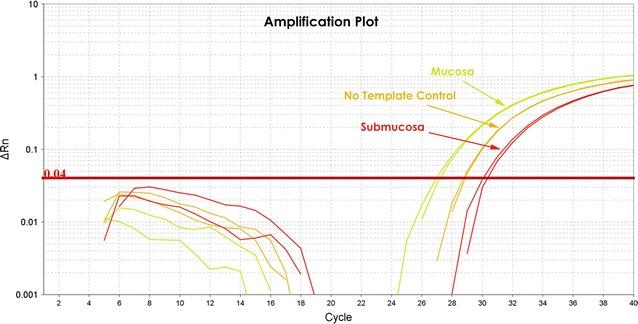
We herein report on the occurrence of bacterial DNA contamination within commonly used DNA extraction kits and PCR reagents and the effect of these contaminates on data interpretation. When compared to previous reports, we identified an additional 88 bacterial genera as potential contaminants of molecular biology grade reagents, bringing the total number of known contaminating microbes to 181 genera. Many of the contaminants detected are considered normal inhabitants of the human gastrointestinal tract and the environment and are often indistinguishable from those genuinely present in the sample.
CONCLUSIONS
Laboratories working on bacterial populations need to define contaminants present in all extraction kits and reagents used in the processing of DNA. Any unusual and/or unexpected findings need to be viewed as possible contamination as opposed to unique findings.
背景
用于探索环境和组织样本中微生物群和微生物组的高度敏感分子生物学技术的出现和应用,已检测到试剂中存在污染性微生物DNA。这些微生物DNA污染物可能会扭曲微生物数据集中的分类分布和相对频率,还会导致错误的解释和鉴定。
结果
我们在此报告常用DNA提取试剂盒和PCR试剂中细菌DNA污染的发生情况,以及这些污染物对数据解释的影响。与之前的报告相比,我们又鉴定出88个细菌属为分子生物学级试剂的潜在污染物,使已知污染微生物的总数达到181个属。检测到的许多污染物被认为是人类胃肠道和环境中的正常居民,通常与样本中真正存在的污染物无法区分。
结论
研究细菌群体的实验室需要确定DNA处理过程中使用的所有提取试剂盒和试剂中存在的污染物。任何不寻常和/或意外的发现都应被视为可能的污染,而不是独特的发现。

 Zotero 插件