
基于氧化石墨烯的生物传感器及其生物医学应用。
Biosensors based on graphene oxide and its biomedical application.
作者信息
Lee Jieon, Kim Jungho, Kim Seongchan, Min Dal-Hee
机构信息
Center for RNA Research, Institute for Basic Science, Seoul National University, Seoul 151-747, Korea; Department of Chemistry, Seoul National University, Seoul 151-747, Korea.
Center for RNA Research, Institute for Basic Science, Seoul National University, Seoul 151-747, Korea; Department of Chemistry, Seoul National University, Seoul 151-747, Korea; Institute of Nanobio Convergence Technology, Lemonex Inc., Seoul, 151-742, Korea.
出版信息
Adv Drug Deliv Rev. 2016 Oct 1;105(Pt B):275-287. doi: 10.1016/j.addr.2016.06.001. Epub 2016 Jun 11.
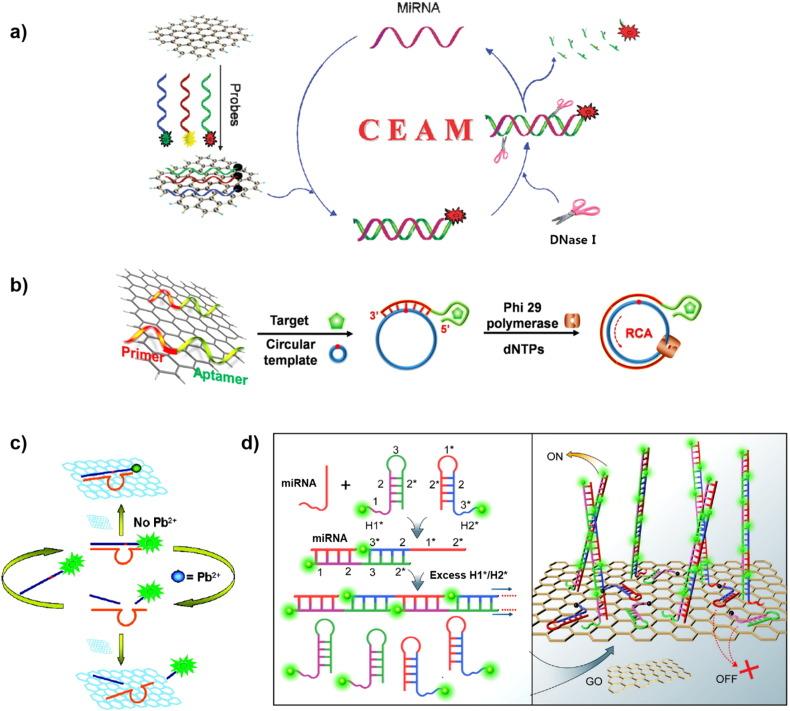
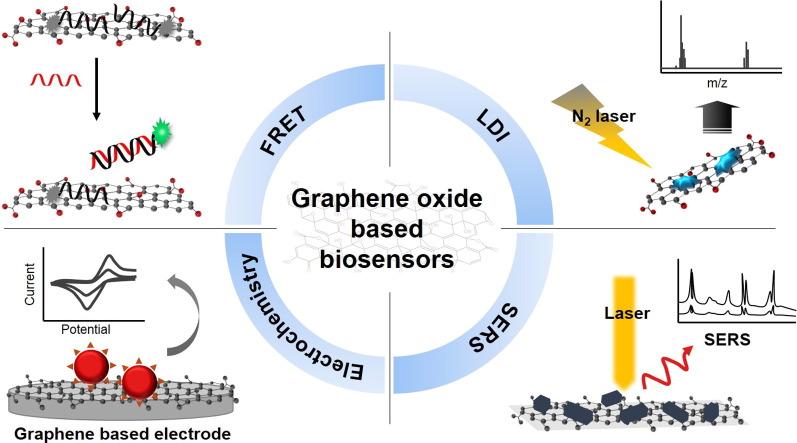
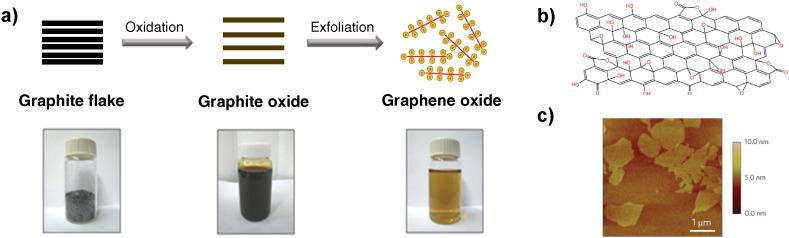
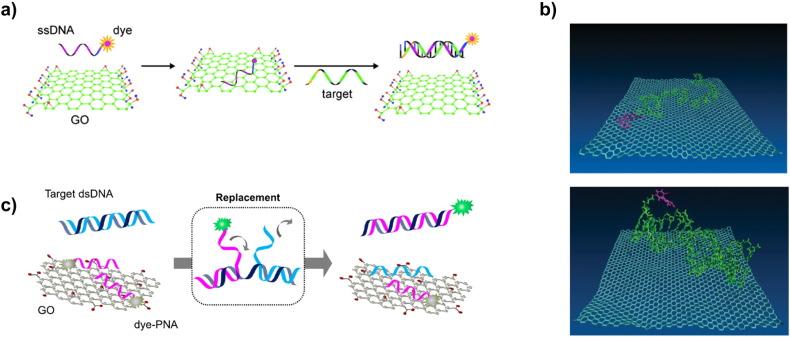
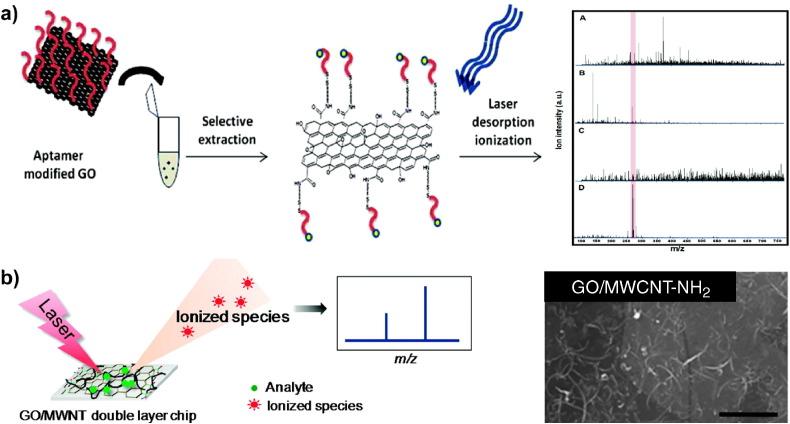
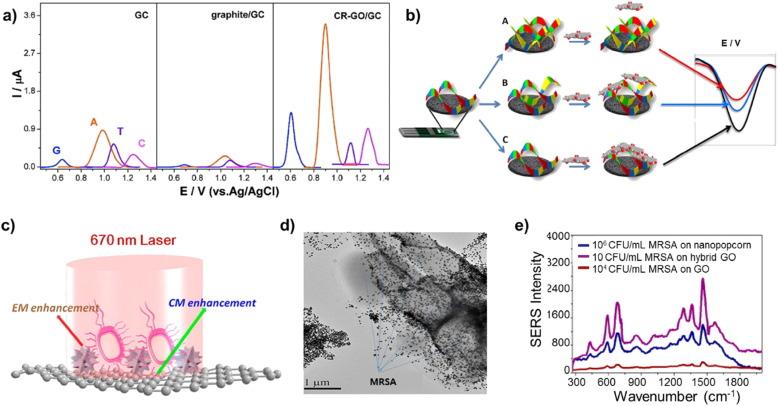
Graphene oxide (GO) is one of the most attributed materials for opening new possibilities in the development of next generation biosensors. Due to the coexistence of hydrophobic domain from pristine graphite structure and hydrophilic oxygen containing functional groups, GO exhibits good water dispersibility, biocompatibility, and high affinity for specific biomolecules as well as properties of graphene itself partly depending on preparation methods. These properties of GO provided a lot of opportunities for the development of novel biological sensing platforms, including biosensors based on fluorescence resonance energy transfer (FRET), laser desorption/ionization mass spectrometry (LDI-MS), surface-enhanced Raman spectroscopy (SERS), and electrochemical detection. In this review, we classify GO-based biological sensors developed so far by their signal generation strategy and provide the comprehensive overview of them. In addition, we offer insights into how the GO attributed in each sensor system and how they improved the sensing performance.
氧化石墨烯(GO)是为下一代生物传感器的发展开辟新可能性的最具潜力材料之一。由于原始石墨结构中的疏水域与含亲水氧官能团共存,GO表现出良好的水分散性、生物相容性以及对特定生物分子的高亲和力,并且石墨烯本身的性质部分取决于制备方法。GO的这些特性为新型生物传感平台的发展提供了许多机会,包括基于荧光共振能量转移(FRET)、激光解吸/电离质谱(LDI-MS)、表面增强拉曼光谱(SERS)和电化学检测的生物传感器。在本综述中,我们根据信号产生策略对迄今为止开发的基于GO的生物传感器进行分类,并对其进行全面概述。此外,我们深入探讨了GO在每个传感器系统中的作用以及它们如何提高传感性能。

 Zotero 插件