
细胞 GFP 毒性和免疫原性:体内细胞示踪实验中的潜在混杂因素。
Cellular GFP Toxicity and Immunogenicity: Potential Confounders in in Vivo Cell Tracking Experiments.
机构信息
Department of Surgery and Hendrix Burn/Wound Laboratory, Baltimore, MD, USA.
Department of Surgery, The Johns Hopkins University School of Medicine, Baltimore, MD, USA.
出版信息
Stem Cell Rev Rep. 2016 Oct;12(5):553-559. doi: 10.1007/s12015-016-9670-8.
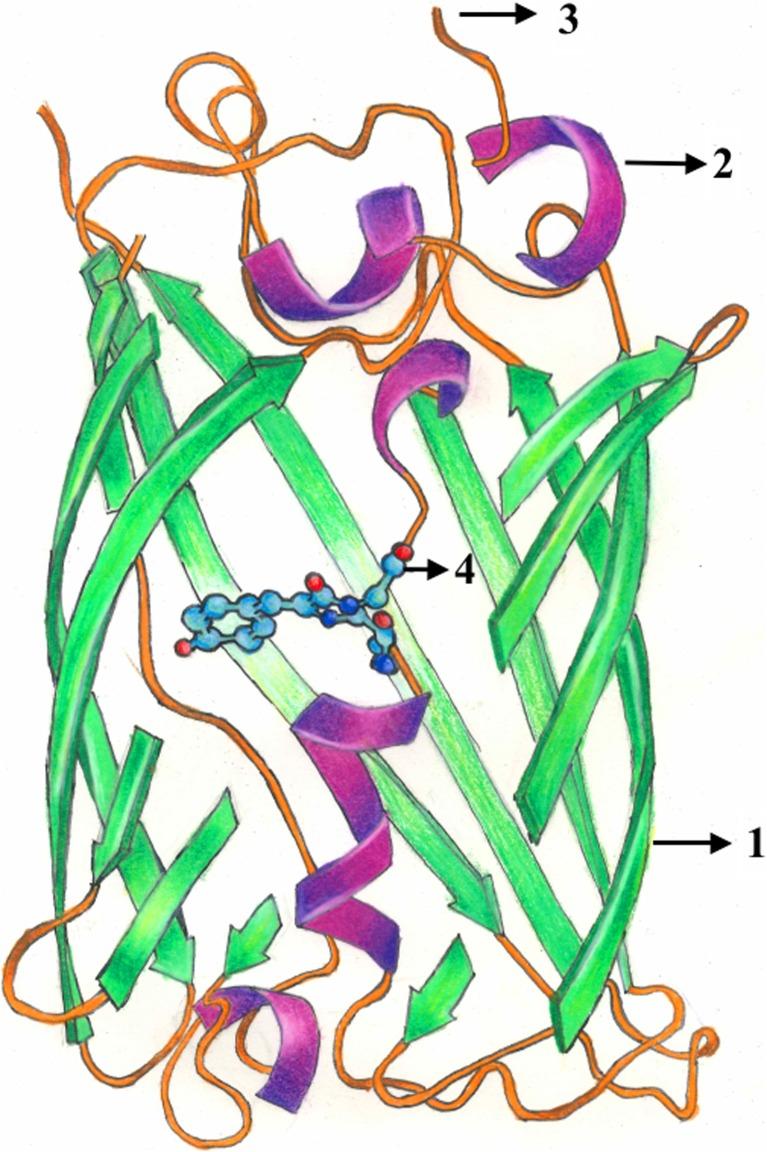
Green Fluorescent protein (GFP), used as a cellular tag, provides researchers with a valuable method of measuring gene expression and cell tracking. However, there is evidence to suggest that the immunogenicity and cytotoxicity of GFP potentially confounds the interpretation of in vivo experimental data. Studies have shown that GFP expression can deteriorate over time as GFP tagged cells are prone to death. Therefore, the cells that were originally marked with GFP do not survive and cannot be accurately traced over time. This review will present current evidence for the immunogenicity and cytotoxicity of GFP in in vivo studies by characterizing these responses.
绿色荧光蛋白(GFP)被用作细胞标记物,为研究人员提供了一种测量基因表达和细胞追踪的有价值的方法。然而,有证据表明 GFP 的免疫原性和细胞毒性可能会混淆体内实验数据的解释。研究表明,随着 GFP 标记的细胞易于死亡,GFP 的表达会随着时间的推移而恶化。因此,最初用 GFP 标记的细胞无法存活,并且无法随着时间的推移进行准确追踪。本综述通过描述这些反应,呈现了 GFP 在体内研究中的免疫原性和细胞毒性的现有证据。
 Zotero 插件